
How Long Do Coffee Pods Last?
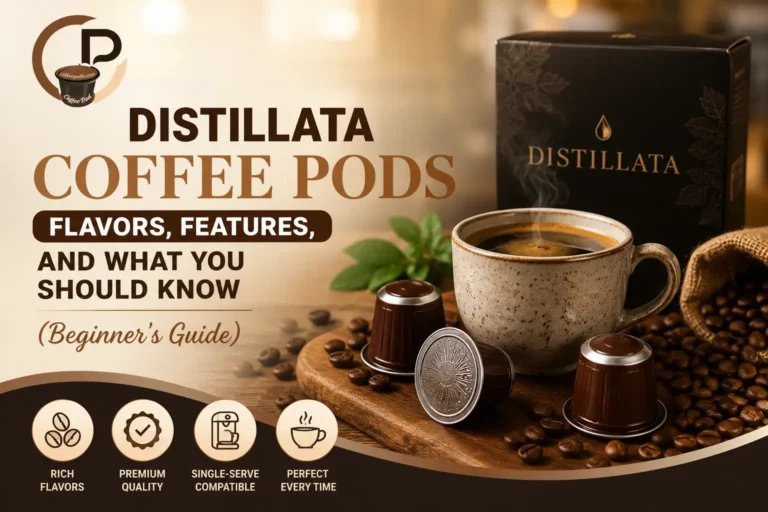
Coffee pods can stay fresh ↗ for a long time because sealed capsules protect the coffee from air, moisture, and light. However, they do not stay at their best forever. Flavor and aroma can slowly fade, especially if the pods are stored in heat or humidity.
If you are wondering how long coffee pods last, start by checking the best-before or best-by date printed on the box or sleeve. Shelf life varies by brand, pod type, packaging, and storage conditions.
Many beginners worry that old coffee pods may become unsafe quickly, but in most cases the real problem is freshness loss instead of food safety. This is especially important for people who buy coffee capsules in bulk and want to avoid wasting expensive pods.
In this guide, I explain how long Nespresso, K-Cup, Tassimo, and other coffee pods can last, whether coffee pods expire or go bad, and how to store them properly.
Quick Answer
Most sealed coffee pods are made to stay fresh until the best-before or best-by date printed on the package. The exact shelf life varies by brand and pod type. Nespresso, for example, says many capsules have a best-before period of around 12 months from production, with some Vertuo coffees lasting up to 15 months.
Important Note: Best-before dates and storage guidance can vary by brand. Always check the date and instructions printed on your pod packaging, and avoid using capsules that are damaged, wet, moldy, or have an unusual smell.
Key Takeaways
Do Coffee Pods Expire?
Coffee pods often carry a best-before or best-by date, but labeling varies by manufacturer. This date usually helps indicate when the coffee is expected to have its best flavor and aroma.
Passing the printed date does not automatically mean every sealed pod becomes unsafe. For example, Nespresso states that its best-before date is mainly an indicator of freshness and that sealed capsules can remain usable after that date. Always follow the guidance for your specific brand and discard damaged or moisture-exposed capsules.
However, coffee freshness slowly decreases because:
In my experience, older coffee pods usually lose aroma and crema first, especially when stored near heat or sunlight.
Expert Tip:
If the coffee pod seal stays intact, the pod is usually still safe to use even after the best-before date.
Best-Before Date vs Expiration Date
Many beginners confuse scadenza capsule caffè in capsule.
| Date | What It Usually Means |
|---|---|
| Best Before / Best By | Best quality, flavor, and aroma |
| Expiration / Use By | Follow the manufacturer’s safety guidance |
Coffee pod labels can differ by brand and country, so always follow the wording printed on your own package.
Coffee pods normally use:
This means the coffee may lose quality over time but is often still usable.
How Long Do Coffee Pods Last?
There is no single shelf life that applies to every coffee pod. How long a pod lasts depends on the manufacturer, packaging, pod material, and storage conditions.
Instead of relying on one general number, use the printed best-before or best-by date as your main guide.
Shelf life depends on:
Most sealed coffee pods last:
If you regularly buy larger packs, our Bulk Coffee Pods guide explains pack sizes, storage, value, and when buying in bulk makes sense.
Coffee Pod Shelf Life Comparison
| Pod Type | Shelf-Life Guide |
|---|---|
| Nespresso | Around 12 months for many capsules; some Vertuo coffees may have up to 15 months |
| K-Cup Pods | Follow the best-by date printed on the package |
| Tassimo Pods | Follow the best-before date printed on the package |
| Compostable Pods | Check the manufacturer’s printed date |
| Reusable Pods | Depends mainly on the freshness of the coffee you add |
Nespresso’s current guidance supports the 12-month range and the extension to 15 months for some Vertuo coffees.
How Long Do Coffee Pods Last Unopened?
Unopened coffee pods usually keep their quality longer because the coffee remains protected inside the sealed capsule. Use the best-before or best-by date printed on the package as your main guide and store the pods away from heat, moisture, and direct sunlight.
How Long Do Keurig K-Cup Pods Last?
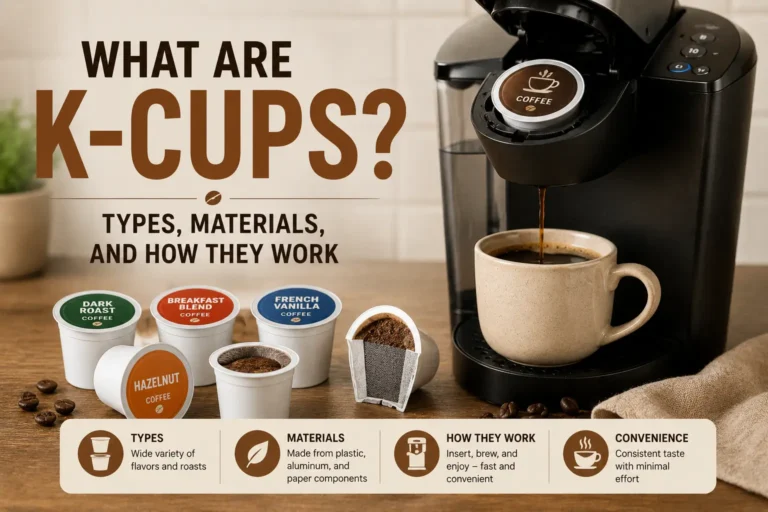
K-Cup shelf life can vary by coffee brand and product, so the best-by date printed on the package should be your main guide. Keep unopened pods in a cool, dry place and protect them from heat and moisture.
If a pod is past its best-by date, check the seal and condition before using it. Do not use a pod that is damaged, wet, swollen, or has an unusual smell.
However, plastic pods may lose freshness faster than aluminum capsules if exposed to heat or humidity.
If you use a Keurig machine, see our Keurig Coffee Pods guide for K-Cup types, flavors, roast levels, decaf options, and compatibility.
How Long Do Nespresso Pods Last?
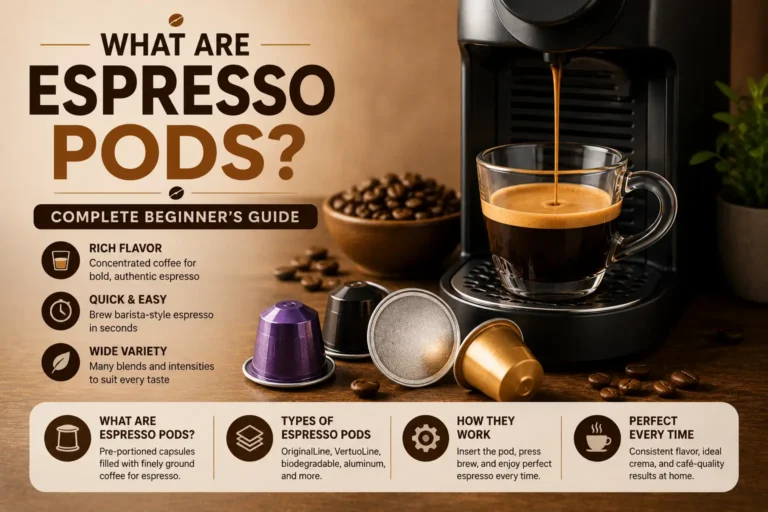
Nespresso says many of its capsules have a best-before date of about 12 months from production. Some Vertuo coffees can have a shelf life of up to 15 months, while flavored and some ingredient-added coffees may remain at 12 months.
Nespresso capsules are sealed to protect the coffee from light, moisture, and oxygen. The company explains that the best-before date mainly indicates optimal freshness, aroma, and flavor rather than an automatic expiration point.
Always check the date printed on your own sleeve because product and market guidance can differ.
Systems like Nespresso use:
This helps maintain:
For more details on Original and Vertuo capsules, flavors, sizes, and intensity levels, visit our Nespresso Coffee Pods guide.
What Affects Coffee Pod Freshness?
Several things affect coffee pod shelf life.
Moisture
Moisture is one of the biggest threats to coffee freshness.
Too much humidity may cause:
Oxygen Exposure
Oxygen slowly breaks down coffee oils.
This process causes:
Vacuum-sealed coffee capsules slow down oxidation.
If you are comparing flavored pod options, see our Mocha Coffee Pods, Hazelnut Coffee Pods, and Caramel Coffee Pods guides for flavor profiles and product choices.
Heat
Heat speeds up coffee aging.
Coffee pods stored near:
Often lose freshness faster.
Puncture or Damaged Seal
A damaged pod seal allows:
If the capsule looks punctured or swollen, avoid using it.
How to Store Coffee Pods Properly?
Store coffee pods in a cool, dry cupboard away from direct sunlight, steam, and heat. Keep the original packaging closed or use a clean container if needed.
Avoid storing pods beside an oven, kettle, dishwasher, or coffee machine where heat and moisture are common. Refrigeration is normally unnecessary for sealed coffee pods.
Can You Freeze Coffee Pods?
It is not recommended to freeze coffee pods. Freezing can cause moisture and condensation, which may affect taste and freshness. Store coffee pods in a cool, dry place instead.
Can You Use Coffee Pods After the Best-Before Date?
A pod that has passed its best-before date may still be usable if the manufacturer allows it and the capsule remains completely sealed and dry. Nespresso, for example, says sealed capsules can remain safe after their best-before date, although aroma may slowly decline.
Do not use the pod if you notice:
How to Tell If Coffee Pods Went Bad?
There are several warning signs.
Weak Aroma
Fresh coffee should smell rich and strong.
Stale Flavor
Old coffee may taste:

Conclusion
Coffee pod shelf life depends on the brand, packaging, and storage conditions. Use the printed best-before or best-by date as your main guide and keep pods in a cool, dry place. If a capsule is damaged, wet, moldy, swollen, or smells unusual, it is better not to use it.