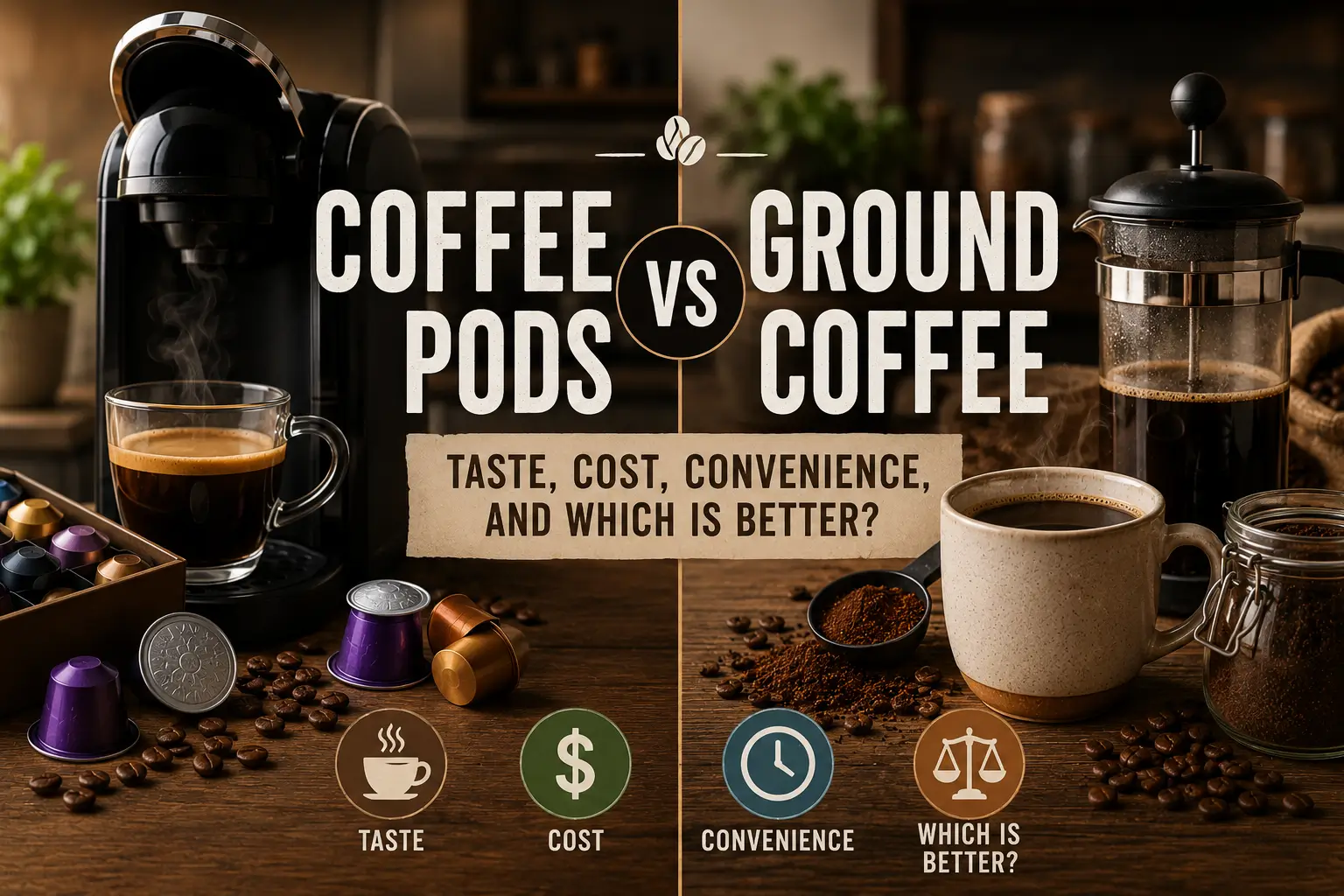

Coffee Pods vs Ground Coffee: Taste, Cost, Convenience, and Which Is Better?
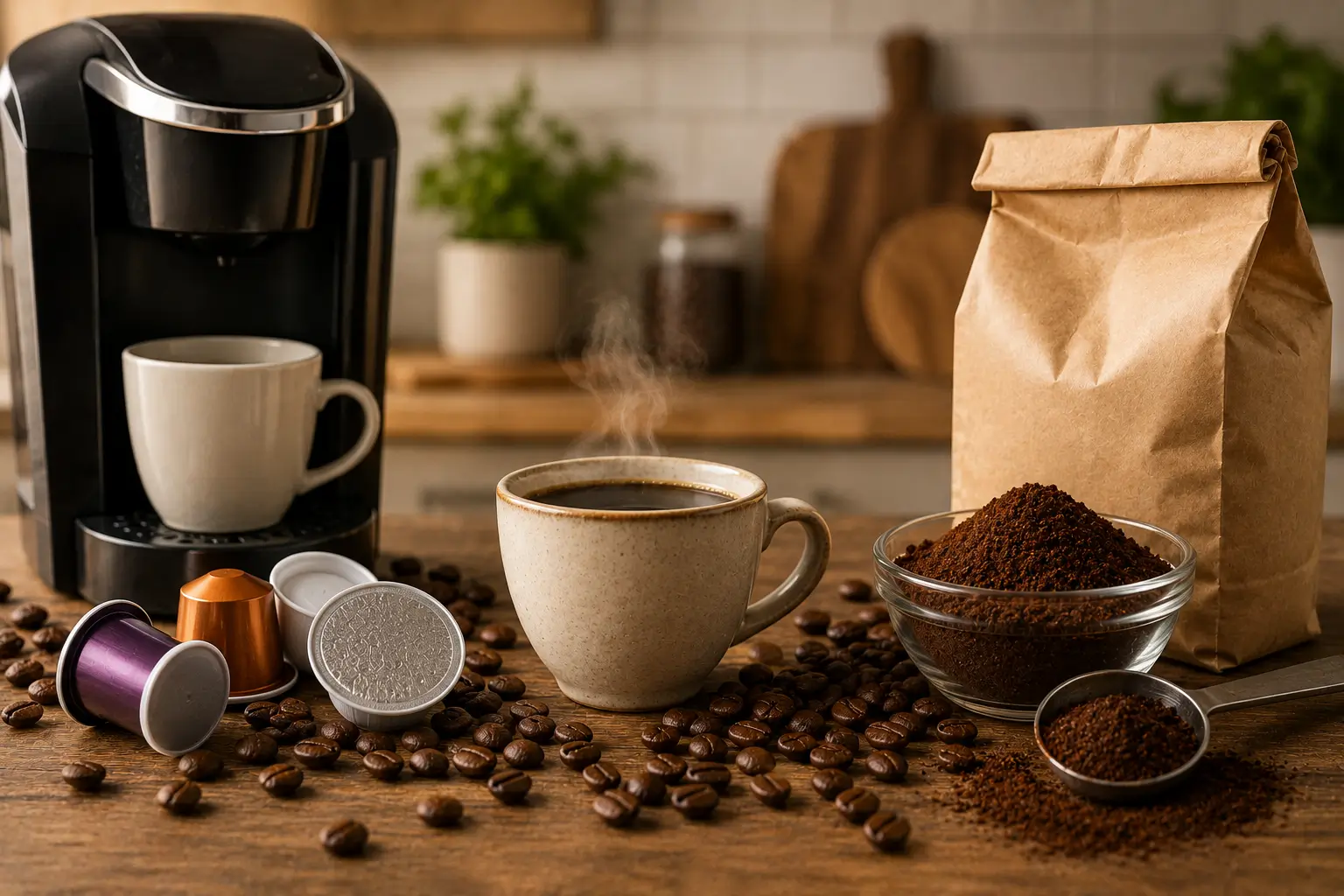
Coffee lovers often face a simple question: should you choose coffee pods or ground coffee? Both options can make a great cup ↗ of coffee, but they offer different experiences. Some people value speed and convenience, while others care more about freshness, flavor control, and cost.
I have used both coffee pods and ground coffee for years. There are days when I want a quick cup with almost no cleanup, and coffee pods work perfectly. Other times, I prefer the flexibility of ground coffee because it allows me to adjust the brewing method, grind size, and coffee strength. The best choice depends on your budget, lifestyle, and coffee preferences.
Key Takeaways
Coffee pods offer convenience, consistency, and quick cleanup.
Ground coffee provides greater control over flavor and brewing methods.
Coffee pods generally cost more per cup than ground coffee.
Ground coffee can deliver fresher flavor when stored and brewed properly.
The right choice depends on your daily routine and coffee goals.
What Are Coffee Pods?
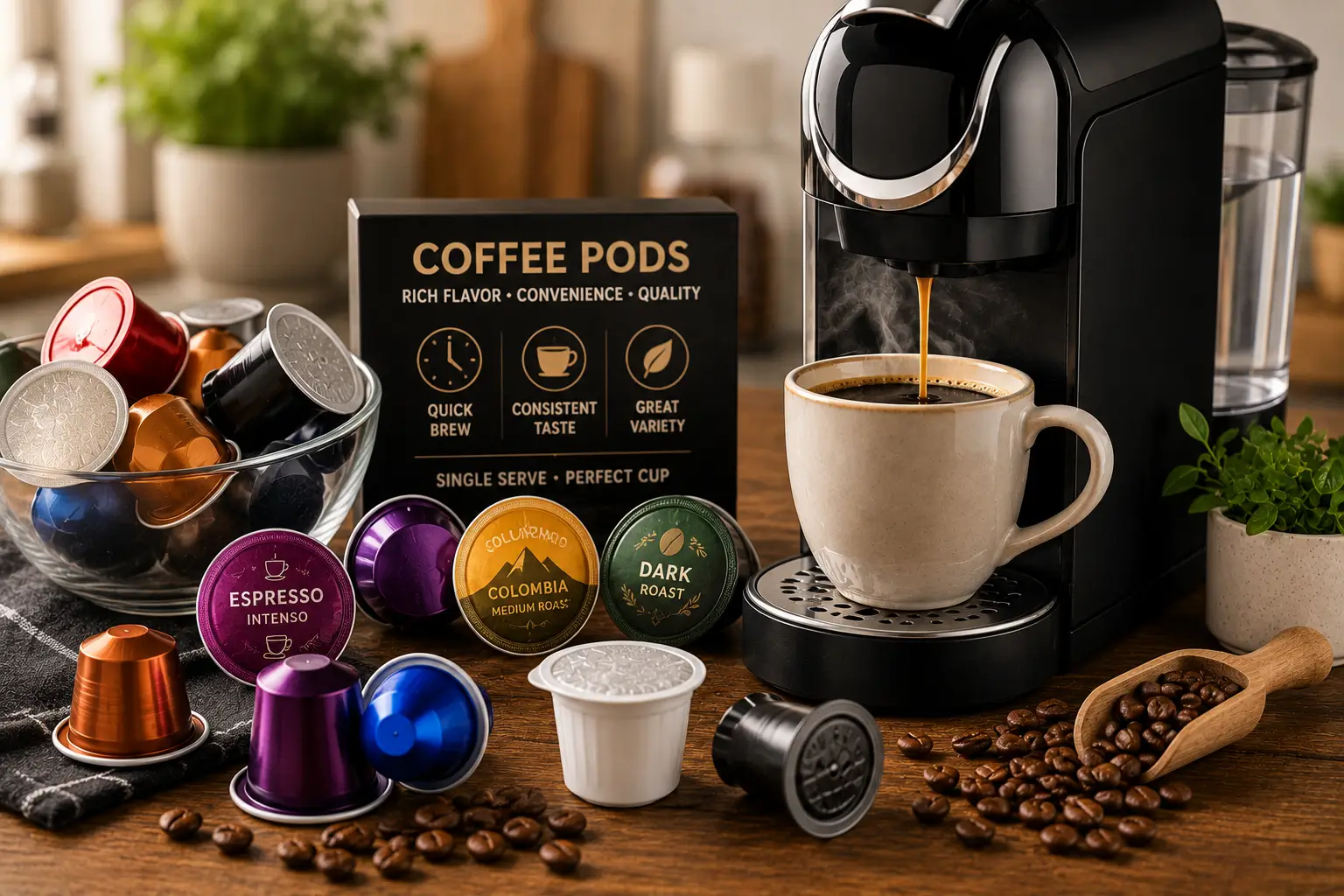
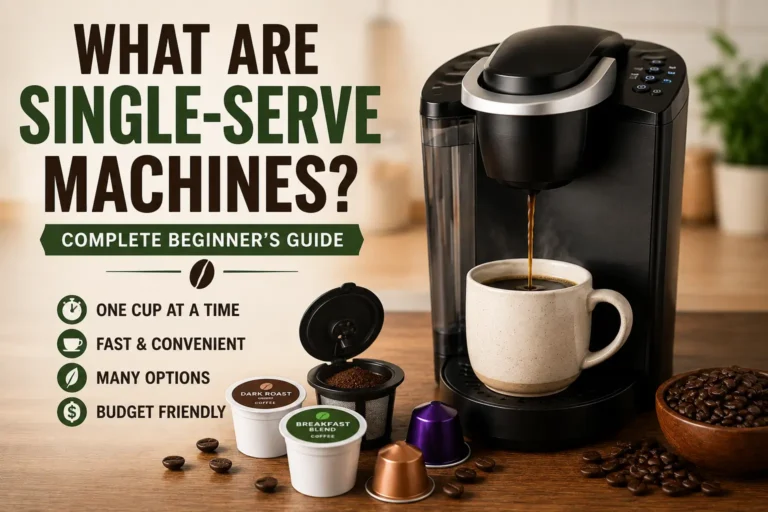
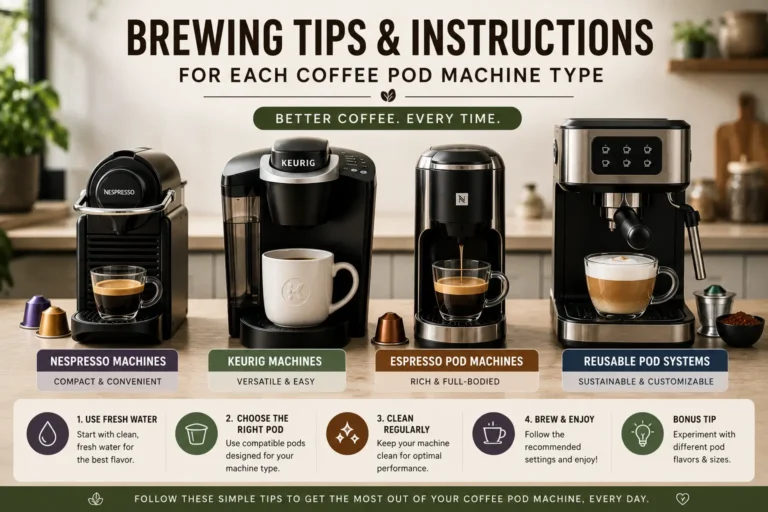
Coffee pods are pre-measured portions of coffee sealed inside a capsule or pod. They are designed for use with compatible pod machines such as Nespresso, Keurig, and Dolce Gusto systems.
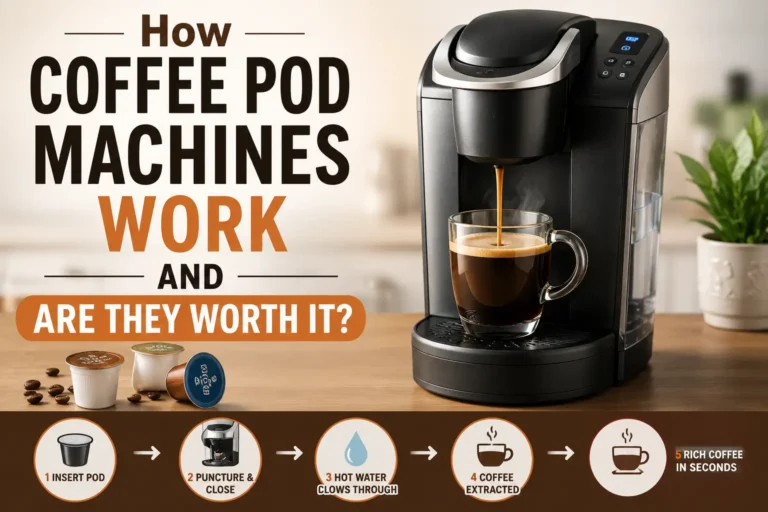
Each pod contains a specific amount of ground coffee and is prepared for a single serving. The machine automatically controls water flow, brewing pressure, and extraction time. Read more about coffee pods here
What Is Ground Coffee?
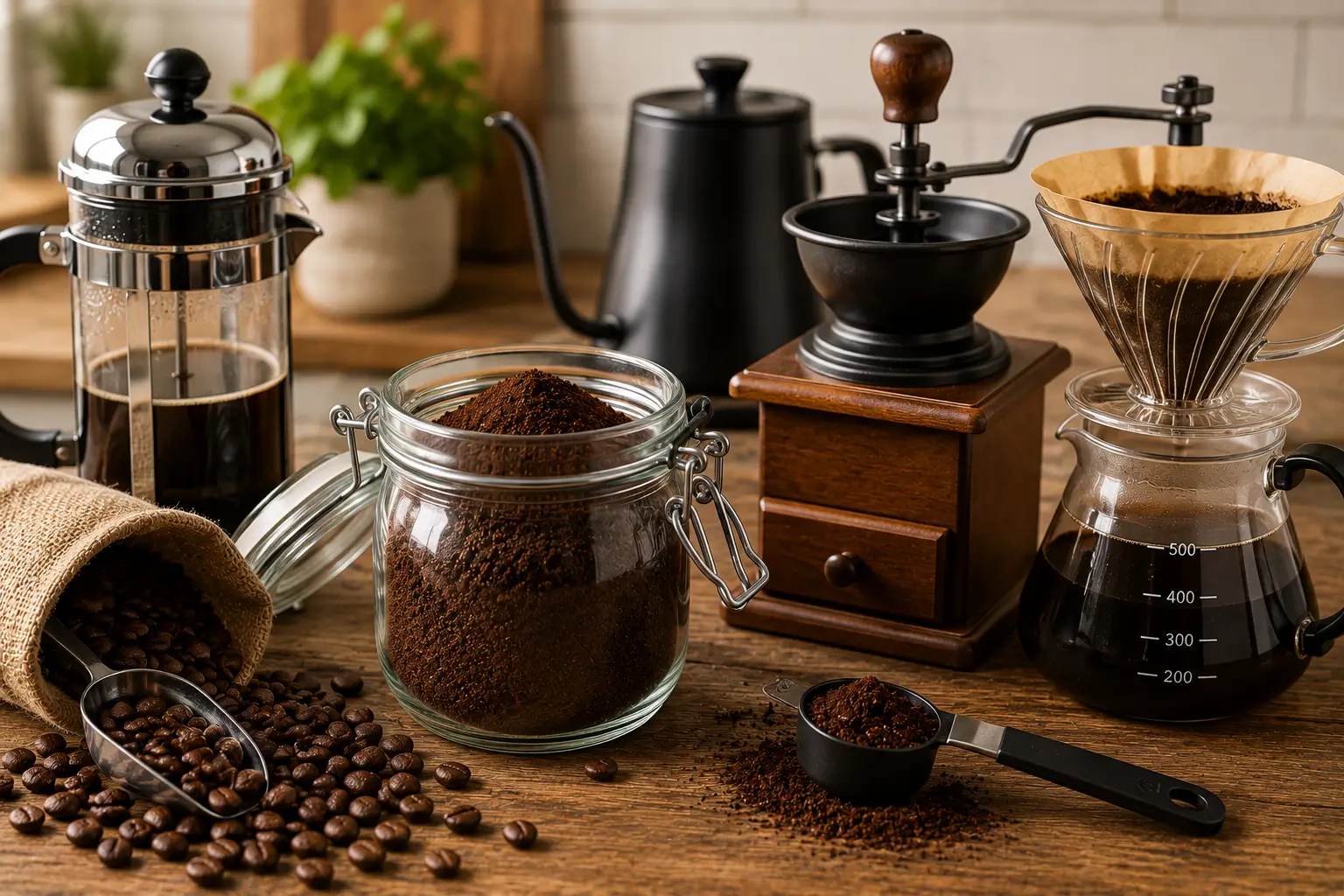
Ground coffee consists of roasted coffee beans that have been ground into small particles. It can be purchased pre-ground or prepared at home using a coffee grinder.
Ground coffee works with many brewing methods, including:
Drip coffee makers
French press
Pour-over brewers
AeroPress
Espresso machines
Cold brew systems
Unlike coffee pods, ground coffee gives you more control over the brewing process. You can choose different coffee origins, roast levels, grind sizes, and brewing techniques.
This flexibility appeals to coffee enthusiasts who enjoy experimenting with flavor and extraction.
Pod Coffee Vs Ground Coffee: Taste Comparison
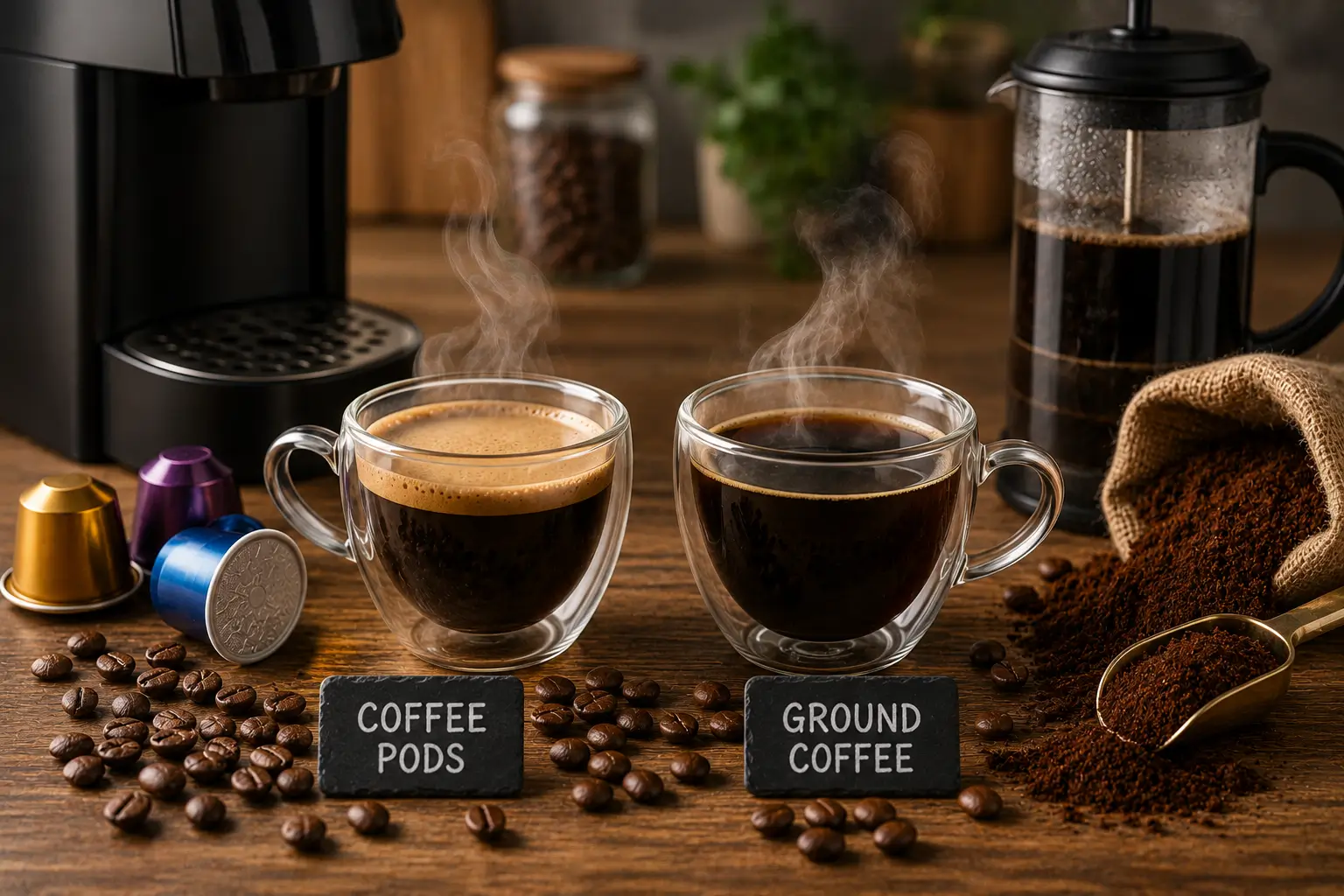
Taste is often the most important factor when choosing ground coffee vs pods.
The truth is that both can produce enjoyable coffee. However, the flavor experience is usually different.
Coffee pods are designed for consistency. Every capsule contains a measured amount of coffee, and the machine follows the same brewing process each time. This creates reliable results from cup to cup.
Ground coffee offers more opportunities to customize flavor. You can adjust:
Coffee-to-water ratio
Grind size
Brewing temperature
Extraction time
Brewing method
These variables can significantly influence the final taste.
For many casual coffee drinkers, modern coffee pods provide excellent flavor and convenience. However, coffee enthusiasts often prefer freshly ground coffee because it offers greater control and a wider flavor range.
Factors That Influence Taste More Than Pods or Ground Coffee
Many people assume the brewing format is the most important factor. In reality, several other factors have a larger impact on flavor.
These include:
Coffee bean quality
Roast freshness
Storage conditions
Water quality
Brewing technique
Roast level
A high-quality coffee pod will usually taste better than stale ground coffee. Likewise, freshly ground premium beans may outperform lower-quality capsules.
The quality of the coffee itself matters more than the format.
Freshness and Aroma Comparison
Freshness plays a major role in coffee flavor.
Once coffee is exposed to air, it begins losing aromatic compounds that contribute to its flavor and smell. This process starts immediately after grinding.
Coffee pods have an advantage because they are individually sealed. Most capsules are packed in airtight containers that help protect the coffee from:
Oxygen exposure
Moisture
Light
External odors
This allows pods to maintain freshness for months when stored correctly.
Ground coffee is more vulnerable after opening. Even when stored in an airtight container, it gradually loses aroma and flavor.
For the freshest possible coffee experience, many coffee enthusiasts grind whole beans immediately before brewing. However, compared with opened pre-ground coffee, sealed coffee pods often maintain freshness for a longer period.
Brewing Consistency Comparison
Consistency is another area where coffee pods perform very well.
Pod machines automate most of the brewing process. The machine controls:
Water volume
Brewing pressure
Extraction timing
Water temperature
This reduces user error and produces predictable results.
Ground coffee depends more on technique.
Small changes in:
Grind size
Water temperature
Brewing time
Coffee measurements
can affect the final cup.
Experienced coffee drinkers often appreciate this flexibility, but beginners may find it harder to achieve consistent results every day.
For people who want the same cup each morning with minimal effort, coffee pods have a clear advantage in brewing consistency.
Coffee Pods vs Ground Coffee: Convenience Comparison
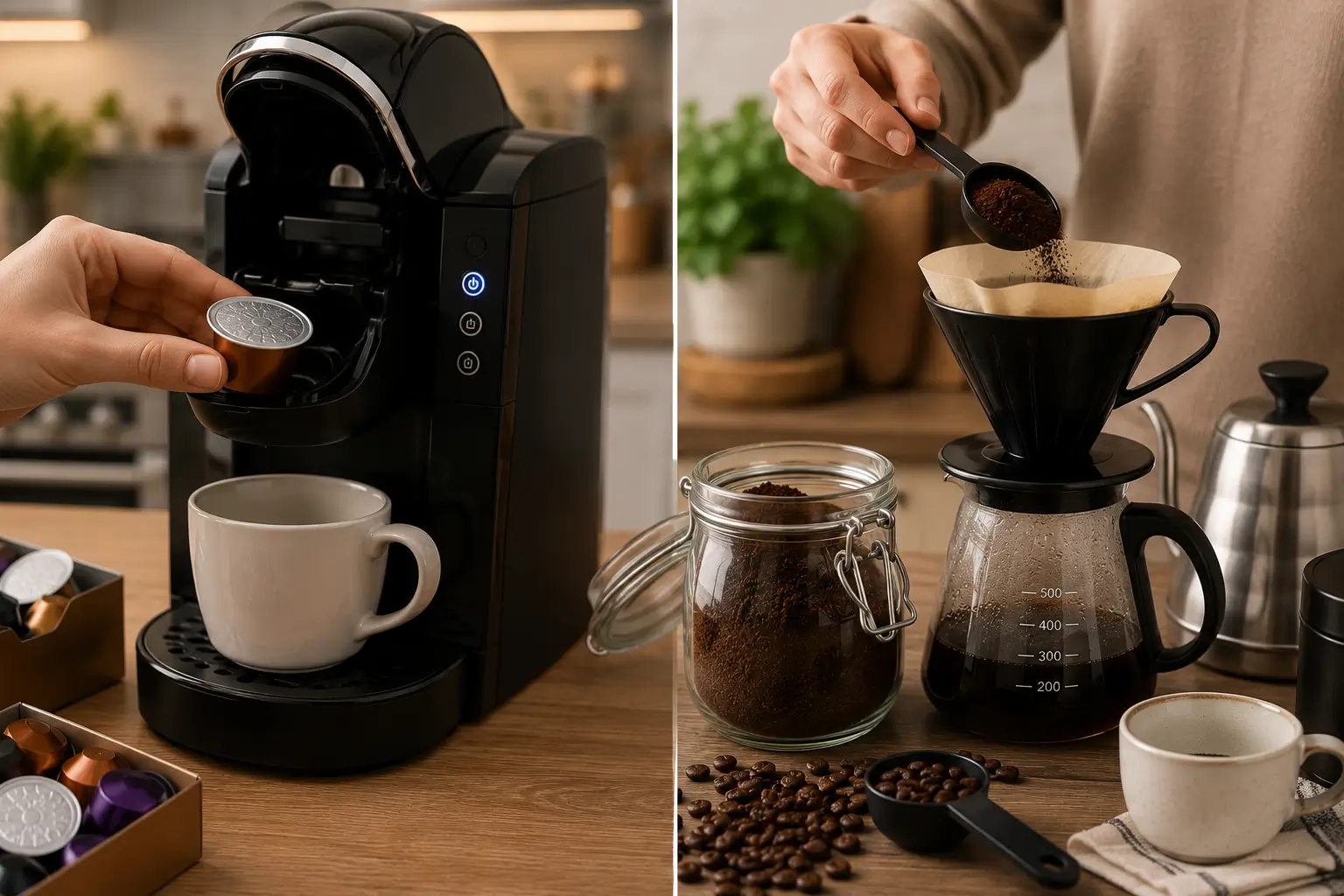
Convenience is one of the biggest reasons people choose coffee pods over ground coffee.
With a pod machine, the brewing process usually takes less than a minute to set up. Simply insert a capsule, press a button, and wait for the coffee to brew. There is no measuring, grinding, or handling of loose coffee grounds.
Ground coffee requires more preparation. Depending on the brewing method, you may need to:
Measure the coffee
Grind whole beans
Prepare filters
Heat water
Clean brewing equipment afterward
For busy mornings, coffee pods offer a faster and simpler experience.
However, many coffee enthusiasts enjoy the hands-on process of brewing ground coffee and consider it part of the overall coffee experience.
Preparation Time Comparison
The time required to make coffee varies significantly between pods and ground coffee.
| Task | Coffee Pods | Ground Coffee |
|---|---|---|
| Setup Time | 10–30 Seconds | 2–5 Minutes |
| Brewing Time | 30–90 Seconds | 3–10 Minutes |
| Cleanup Time | Less Than 1 Minute | 2–5 Minutes |
| Total Time | 1–2 Minutes | 5–15 Minutes |
Coffee pods are generally the faster option from start to finish.
Ground coffee may take longer, especially when using brewing methods such as French press, pour-over, or manual espresso machines.
Cleanup Comparison
Cleanup is another area where coffee pods have a clear advantage.
After brewing, most pod machines only require you to remove the used capsule and occasionally empty the drip tray.
Ground coffee creates more waste during brewing.
Depending on the brewing method, you may need to clean:
Filters
Carafes
French press components
Portafilters
Grinders
People who value speed and convenience often prefer coffee pods because cleanup takes only a few seconds. Read more for cleaning tips
Equipment Requirements
The equipment needed for each brewing method can influence both convenience and overall cost.
Coffee Pod Equipment
Most pod users need:
A compatible pod machine
Coffee capsules
Access to electricity
Occasional descaling products
The system is simple and beginner-friendly.
Ground Coffee Equipment
Ground coffee can be brewed using a variety of tools.
Common options include:
Drip coffee makers
French press
Pour-over brewers
AeroPress
Espresso machines
Cold brew systems
Coffee grinders
The wide range of equipment gives users more flexibility but can increase setup costs.
Cost Per Cup Comparison
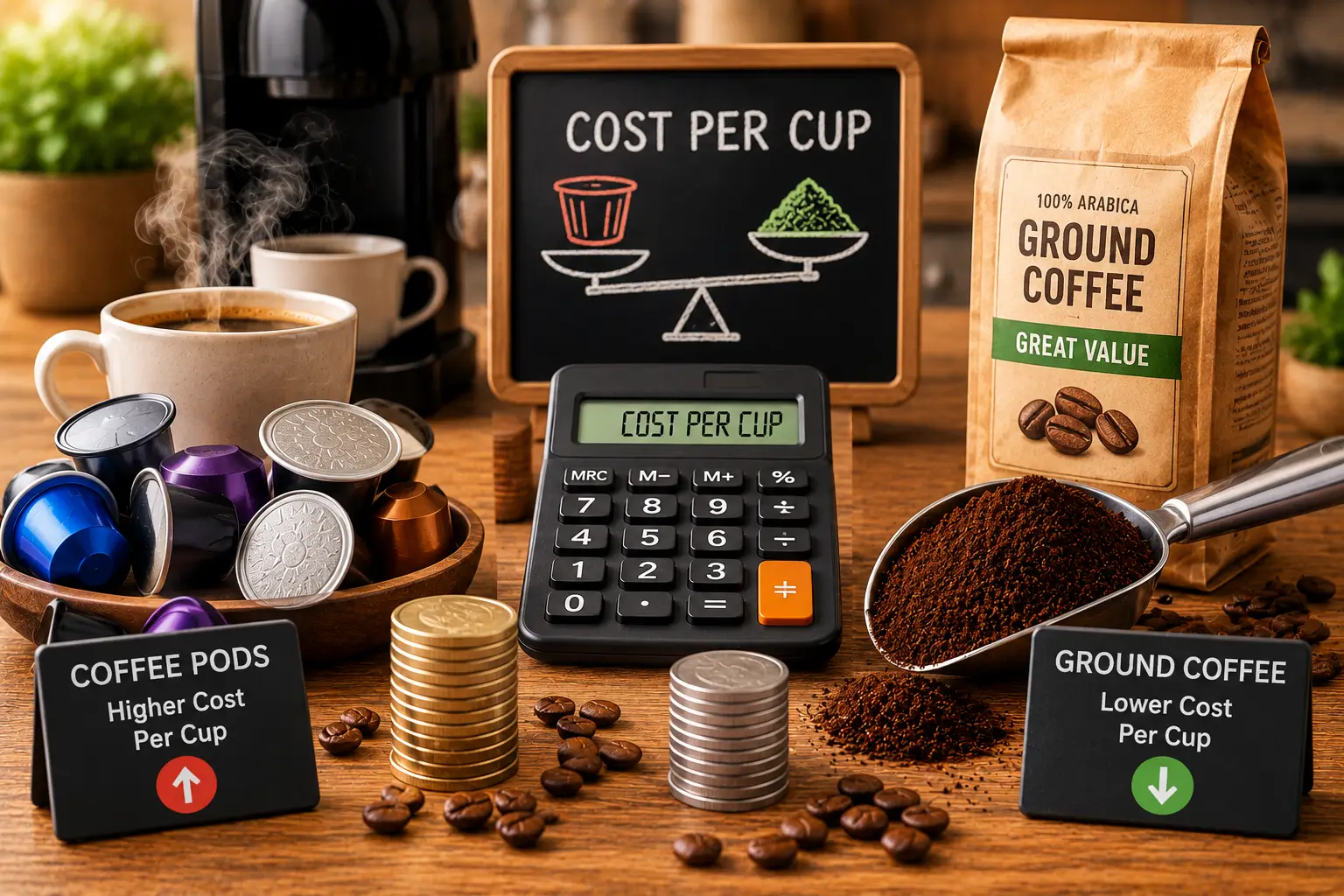
Cost is often one of the most important factors when comparing coffee pods and ground coffee.
While prices vary by brand and coffee quality, coffee pods generally cost more per serving.
| Coffee Type | Average Cost Per Cup |
|---|---|
| Coffee Pods | $0.50–$1.20 |
| Ground Coffee | $0.15–$0.50 |
Premium capsules and specialty pod brands may cost even more.
Ground coffee typically offers better value for people who drink multiple cups each day.
However, some users feel the convenience and consistency of coffee pods justify the additional cost.
Hidden Costs to Consider
The cost per cup is only part of the equation.
Additional expenses may include:
Coffee Pod Costs
Machine replacement
Premium capsules
Recycling programs
Branded accessories
Ground Coffee Costs
Coffee grinder
Filters
Brewing equipment
Replacement parts
Comparing total ownership costs provides a more accurate picture than looking at coffee prices alone.
Coffee Pods vs Ground Coffee: Caffeine Content
Many people assume coffee pods contain less caffeine than ground coffee, but this is not always true.
Caffeine levels depend on several factors:
Coffee bean variety
Roast level
Serving size
Brewing method
Coffee quantity used
A typical coffee pod contains between 60 and 150 milligrams of caffeine, depending on the brand and capsule size.
Ground coffee can range from approximately 70 to over 200 milligrams per serving depending on how it is brewed.
Because brewing methods vary widely, neither option automatically contains more caffeine.
The final caffeine content depends on the specific coffee and preparation method.
Shelf Life Comparison
Shelf life is another important difference between coffee pods and ground coffee.
Coffee freshness naturally declines over time, but packaging can slow the process.
| Product | Typical Shelf Life |
|---|---|
| Sealed Coffee Pods | 8–18 Months |
| Unopened Ground Coffee | 3–12 Months |
| Opened Ground Coffee | 2–6 Weeks for Best Flavor |
Coffee pods benefit from airtight packaging that protects the coffee from oxygen and moisture.
Ground coffee begins losing aroma and flavor much faster after opening.
Although both products remain safe beyond these periods when stored correctly, flavor quality gradually declines over time.
Storage Comparison
Proper storage helps preserve coffee quality regardless of the format.
Storing Coffee Pods
Coffee pods are relatively easy to store.
Keep them:
In a cool place
Away from direct sunlight
Away from excess humidity
In their original packaging when possible
The sealed design helps maintain freshness with minimal effort.
Storing Ground Coffee
Ground coffee requires more attention.
For best results:
Use an airtight container
Store away from heat
Avoid moisture exposure
Limit contact with air
Improper storage can cause ground coffee to lose flavor much more quickly than sealed capsules.
Which Option Stores Better?
For long-term storage and convenience, coffee pods generally have the advantage.
Their sealed packaging helps preserve freshness and simplifies storage.
Ground coffee can still deliver excellent flavor, but it requires more careful handling after opening to maintain quality.
Environmental Impact Comparison
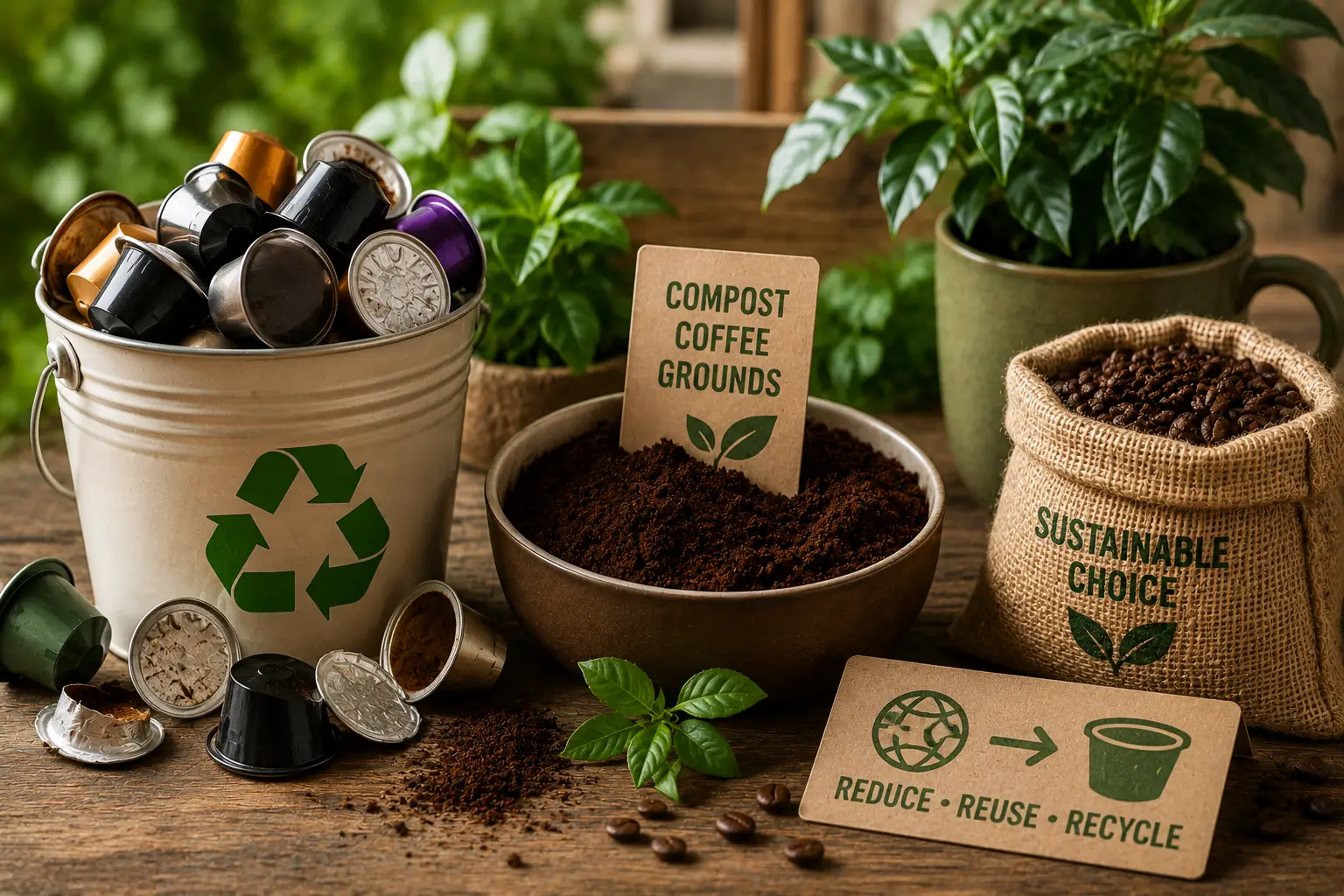
Environmental impact has become an important consideration for many coffee drinkers. Both coffee pods and ground coffee affect the environment, but they do so in different ways.
The overall impact depends on:
Coffee production
Packaging materials
Transportation
Brewing efficiency
Waste disposal methods
Neither option is completely waste-free. However, understanding the differences can help you make a more informed choice.
Carbon Footprint Comparison
The carbon footprint of coffee includes growing, processing, packaging, shipping, brewing, and disposal.
Coffee pods are often criticized because of their packaging. However, some studies suggest that single-serve systems can reduce waste by using precise coffee portions and water amounts.
Ground coffee usually requires less packaging per serving. However, people often brew more coffee than they actually drink, which can increase waste.
Several factors influence carbon emissions:
Coffee origin
Manufacturing process
Brewing method
Energy use
Consumer habits
As a result, the environmental impact often depends more on how coffee is used than on whether it comes from a pod or a bag of ground coffee.
Packaging Waste Comparison
Packaging is one of the biggest differences between coffee pods and ground coffee.
Coffee pods generate individual capsule waste after every serving.
These capsules may be made from:
Plastic
Aluminum
Compostable materials
Paper-based materials
Some brands offer recycling programs, while others produce compostable capsules that reduce landfill waste.
Ground coffee usually comes in larger bags, which means less packaging waste per cup.
From a packaging perspective, ground coffee generally produces less waste than single-use coffee pods.
Coffee Waste Comparison
Coffee waste is another important factor that many people overlook.
Coffee pods contain pre-measured servings. This reduces the chance of using more coffee than necessary.
Ground coffee offers flexibility, but it can also lead to overbrewing.
Common examples include:
Brewing a full pot when only one cup is needed
Discarding leftover coffee
Using more grounds than required
For households that frequently waste brewed coffee, coffee pods may actually reduce overall coffee waste.
Which Option Saves More Money Over Time?
For most households, ground coffee is the more economical choice over the long term.
Although pod machines are convenient, the ongoing cost of capsules can add up quickly.
Consider a simple example:
| Coffee Type | Daily Cups | Estimated Annual Cost |
|---|---|---|
| Coffee Pods | 2 Cups Per Day | Higher |
| Ground Coffee | 2 Cups Per Day | Lower |
The exact difference depends on:
Coffee brand
Brewing habits
Machine type
Serving size
People who drink multiple cups every day often save more money with ground coffee.
Occasional coffee drinkers may find the convenience of coffee pods worth the added expense.
Who Should Choose Coffee Pods?
Coffee pods are often the better option for people who prioritize convenience and consistency.
Coffee pods may be ideal for:
Busy professionals
Students
Small households
Office environments
People who want quick cleanup
Beginners who want simple brewing
They work particularly well for those who prefer a fast and predictable coffee experience.
Who Should Choose Ground Coffee?
Ground coffee is often the better choice for people who want greater control over brewing and flavor.
Ground coffee may be ideal for:
Coffee enthusiasts
Large households
Daily coffee drinkers
Budget-conscious consumers
People who enjoy experimenting with brewing methods
The flexibility of ground coffee allows users to customize nearly every part of the brewing process.
My Experience Using Both
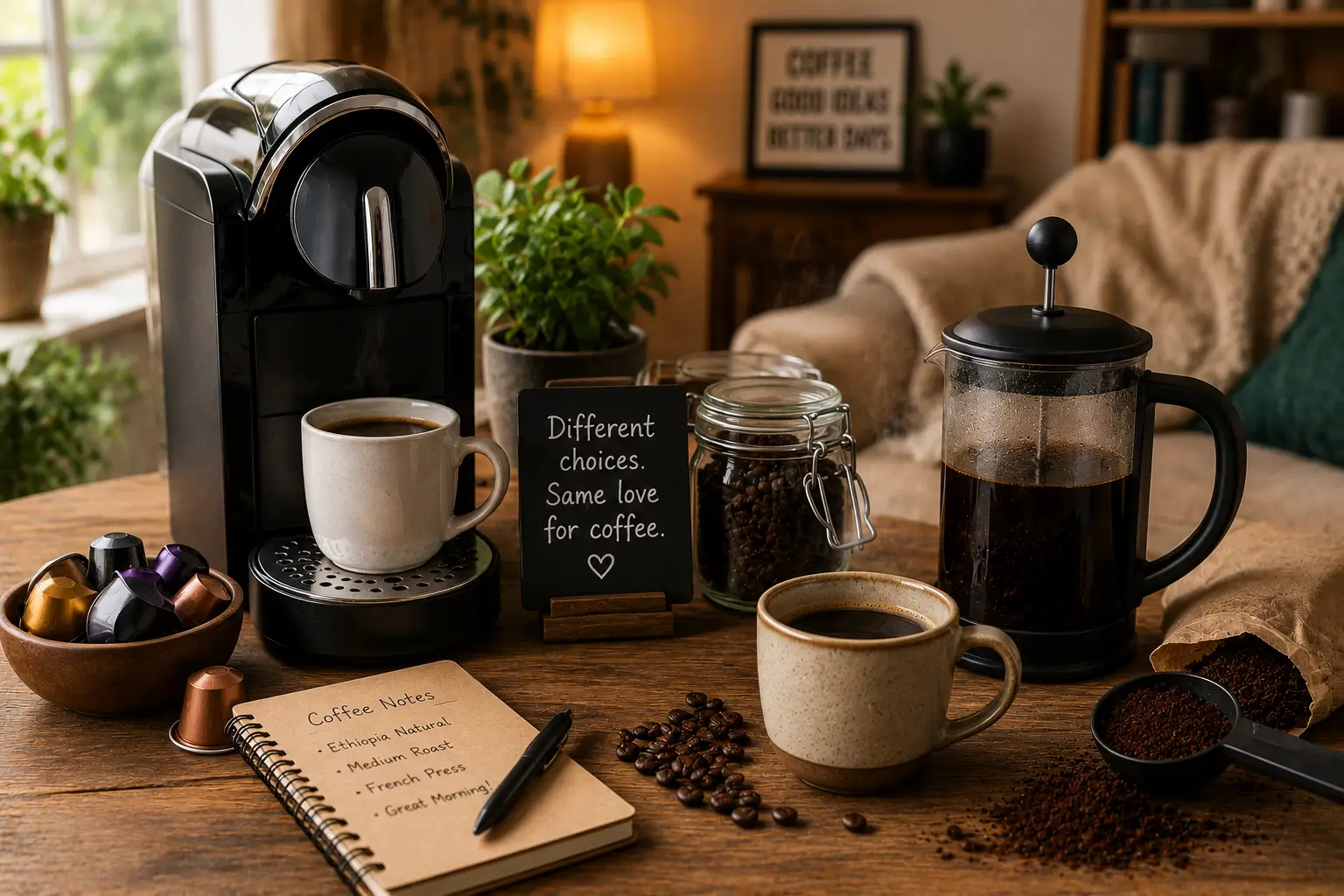
After using both coffee pods and ground coffee for years, I have found that each serves a different purpose.
Coffee pods are my preferred choice on busy mornings when I need a quick cup with minimal effort. The consistency is excellent, and cleanup takes only a few seconds.
Ground coffee is my choice when I want more control over flavor and brewing style. Using different brewing methods allows me to highlight unique characteristics in the coffee that pod systems sometimes cannot fully showcase.
If convenience is your top priority, coffee pods are difficult to beat. If flavor experimentation and lower long-term costs matter more, ground coffee is often the better option.
Frequently Asked Questions
Neither option is universally better. Coffee pods excel in convenience and consistency, while ground coffee offers greater flexibility and lower cost per cup.
Coffee pods offer convenience, consistency, and quick single-cup brewing with minimal cleanup. Ground coffee provides more control over flavor, strength, and brewing methods and is often more cost-effective. The better choice depends on whether you value convenience or customization.
Modern coffee pods can produce excellent coffee. However, freshly ground coffee often provides more flavor customization and aroma when brewed correctly.
Yes. In most cases, coffee pods cost more per serving than ground coffee.
Ground coffee generally creates less packaging waste. However, coffee pods can reduce coffee waste through precise portion control.
Caffeine content varies by coffee type, serving size, and brewing method. Neither option consistently contains more caffeine than the other.
Many households reduce their coffee expenses by switching to ground coffee, especially if they drink several cups per day.
Conclusion
In short, The choice between coffee pods and ground coffee ultimately depends on what matters most to you.
Coffee pods offer unmatched convenience, quick preparation, minimal cleanup, and consistent results. They are a practical solution for busy lifestyles and single-cup brewing.
Ground coffee provides greater flexibility, more brewing options, and lower long-term costs. It appeals to coffee drinkers who enjoy experimenting with flavor, strength, and brewing methods.
In my experience, neither option is automatically better. The best choice depends on your daily routine, budget, taste preferences, and how involved you want to be in the brewing process.