
Coffee Pod Brewing Tips and Instructions for Better Coffee
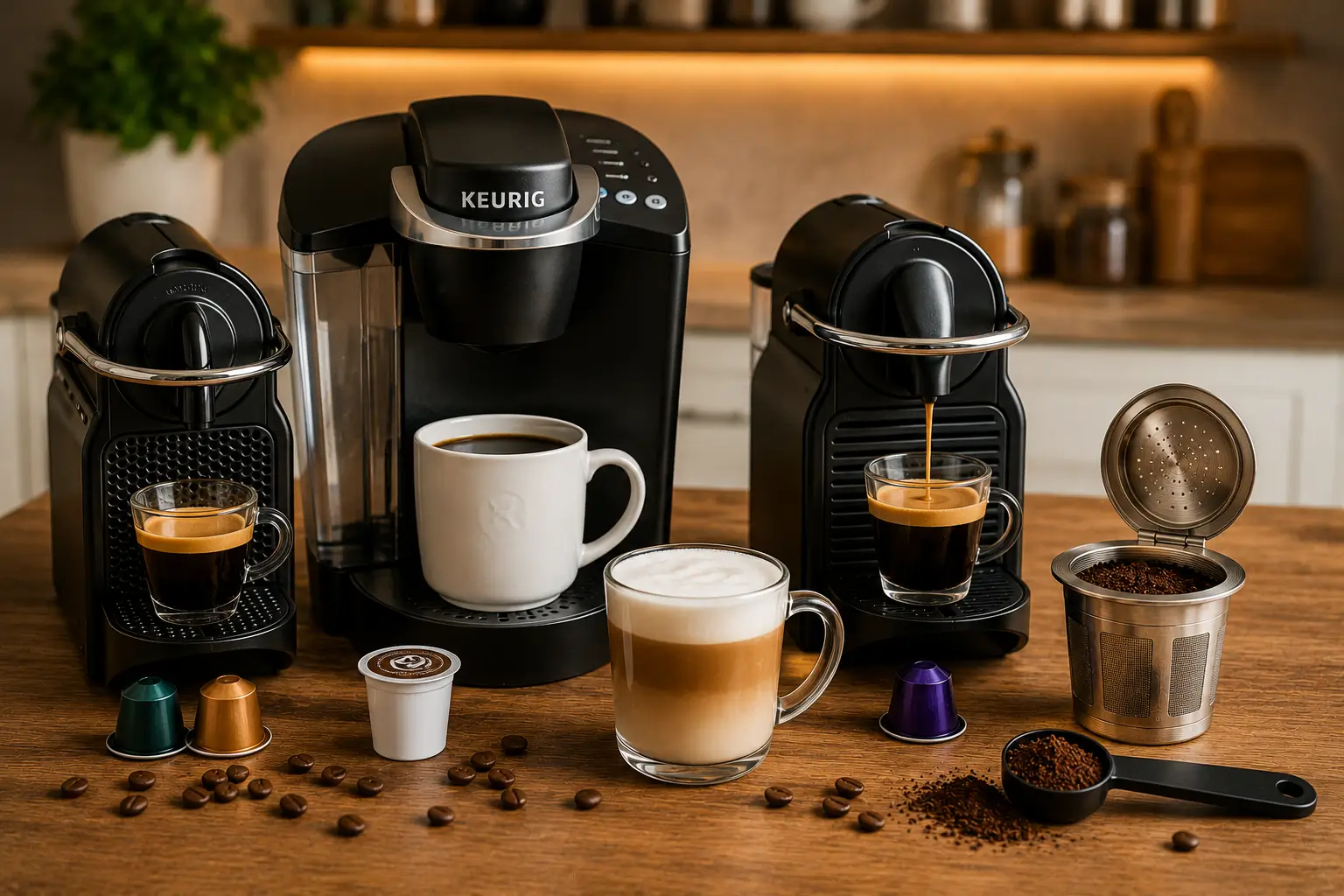
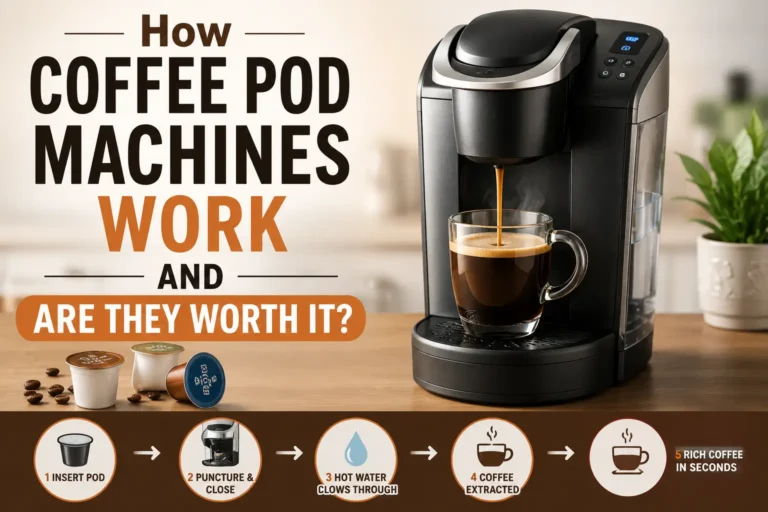
Coffee pod machines look simple: insert a pod, press a button, and wait for the cup. But the result can change a lot depending on the machine, pod type, water, cup size, and brew setting.
The most common mistake is treating every pod like it should make the same size drink. A Nespresso Original capsule, a Vertuo mug capsule, and a K-Cup are built for different brew volumes. Using too much water can make coffee taste weak, while the wrong pod or poor water flow can cause slow, uneven, or bitter brewing.
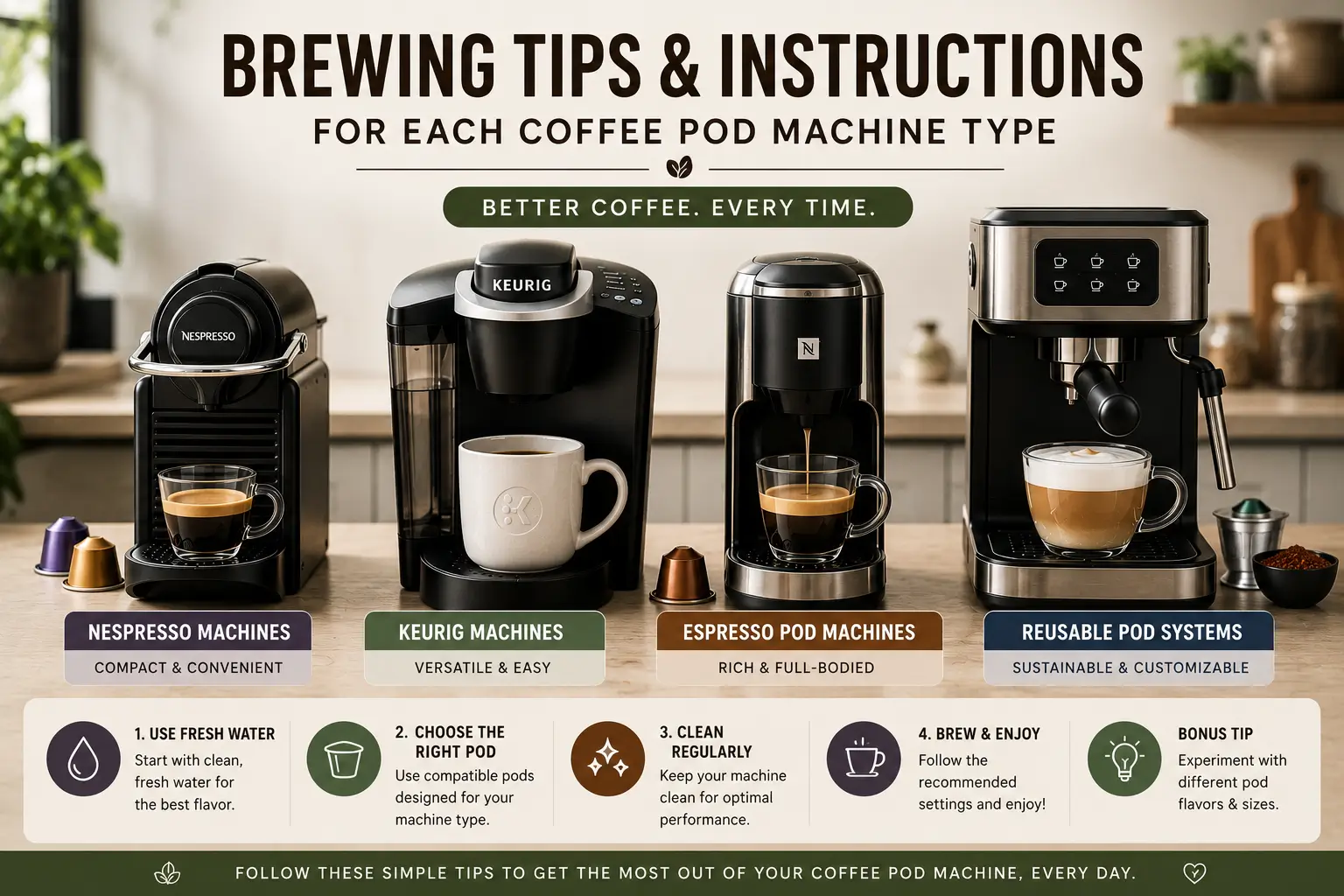
This guide explains how to brew coffee pods better across Nespresso, Keurig, reusable pods, ESE pods, and other single-serve systems. It also covers water, brew size, strong settings, iced coffee, weak coffee, and common machine problems.
Important Note
Use the pod size, brew volume, and cleaning instructions made for your exact machine. Do not force incompatible capsules into a brewer or open the machine to change pressure, heating, or internal parts.
Key Takeaways
- Match the pod to the machine before choosing any brew setting.
- Use the pod’s intended cup size instead of automatically choosing the largest option.
- Smaller Keurig cup sizes usually taste stronger because the same pod uses less water.
- Nespresso Original uses fixed classic sizes, while Vertuo reads the capsule and adjusts brewing automatically.
- Filtered or good-tasting fresh water can improve flavor and reduce some scale problems.
- Weak coffee can come from too much water, an unsuitable pod, poor water flow, or a dirty machine.
Quick Answer
For better pod coffee, use the correct capsule, fresh water, the recommended brew size, and a clean machine. Nespresso Original commonly uses 25 ml ristretto, 40 ml espresso, and 110 ml lungo sizes. Vertuo reads each capsule and adjusts water, flow, temperature, and rotation for that coffee. Keurig cup sizes vary by model, and using a smaller size or Strong setting can make the cup taste bolder.
Coffee Pod Machine Types: Why Brewing Instructions Differ
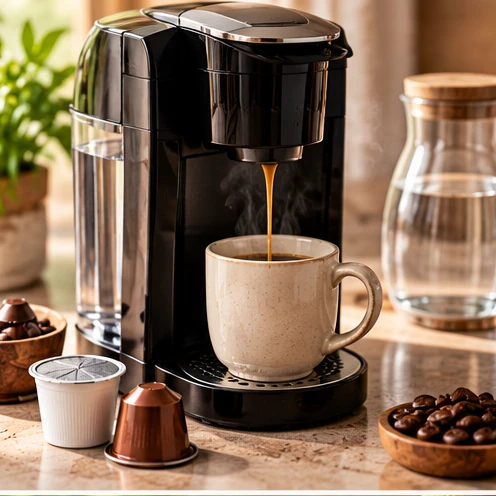
| Machine Type | Pod Format | Typical Drink Style | Main Brewing Control |
|---|---|---|---|
| Nespresso Original | Original capsules | Ristretto, espresso, lungo | Manual drink-size selection |
| Nespresso Vertuo | Vertuo capsules | Espresso through larger mug sizes | Capsule barcode controls the brew recipe |
| Keurig | K-Cup pods | Regular single-serve coffee | Cup size and Strong mode on supported models |
| Reusable pod system | Refillable pod or filter | Depends on coffee and machine | Grind, dose, fill level, cup size |
| ESE pod machine | 44 mm paper espresso pod | Single espresso | Machine temperature and shot volume |
If you are still comparing machines, our Nespresso vs Keurig guide ↗ explains the biggest system differences.
Basic Coffee Pod Brewing Instructions
Add fresh water to the reservoir.
Use a pod made for the exact machine.
Select the intended cup size and let the cycle finish.
After brewing, remove the used pod when the machine is safe to open. Empty the drip tray and rinse removable parts as needed.
Preheat the Cup When You Want a Hotter Drink
A cold ceramic mug can pull heat from a short espresso or small coffee quickly. Filling the cup with hot water for a short time, then emptying it before brewing, can improve the drinking temperature without changing the machine.
Nespresso Brewing Instructions and Tips
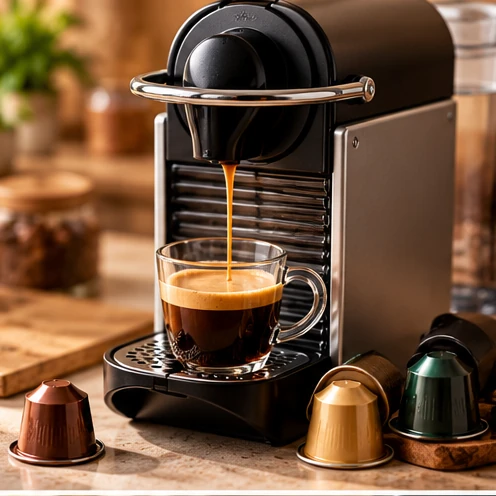
Nespresso Original
Original machines are built around classic espresso-style sizes. Current Nespresso guidance lists:
| Drink | Typical Size | Best Use |
|---|---|---|
| Ristretto | 25 ml | Very short, concentrated coffee |
| Espresso | 40 ml | Classic espresso and milk-drink base |
| Lungo | 110 ml | Longer black coffee |
Use a capsule that is intended for the drink size you select. Running a small espresso capsule with much more water can make the cup thinner and more bitter.
Nespresso Vertuo
Vertuo works differently. The machine reads the barcode on the capsule and adjusts brewing details such as water amount, contact time, temperature, flow, and rotation for that capsule.
That means the easiest way to get the intended result is to let Vertuo brew the capsule at its programmed size rather than treating every capsule like a manual espresso pod.
For more detail on Original and Vertuo formats, see our Nespresso coffee pods guide ↗.
Keurig Brewing Instructions and Tips
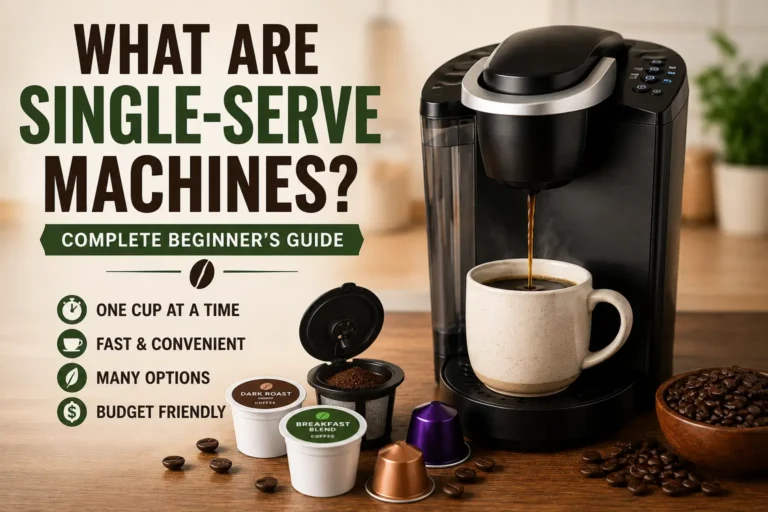
Keurig machines are built around K-Cup brewing and cup-size choice. Exact sizes depend on the model, but many brewers offer several options from small cups to larger mugs.
How to Brew a K-Cup
- Fill the reservoir with fresh water.
- Place the K-Cup into the pod holder.
- Close the handle fully.
- Select your cup size.
- Use Strong mode if your machine has it and you want a bolder cup.
- Start the brew and wait for the cycle to finish.
Why Smaller Keurig Sizes Often Taste Stronger
The pod contains a fixed amount of coffee. If you push more water through the same pod, the drink becomes more diluted. This is why many people who dislike weak K-Cup coffee prefer a smaller serving.
Current Keurig guidance for supported machines says Strong mode increases the bold taste of the coffee. Some models also recommend 6 oz or 8 oz on Strong for iced beverages.
For Keurig-specific pod choices and compatibility, see our Keurig coffee pods guide ↗.
Coffee Pod Brew Size Guide
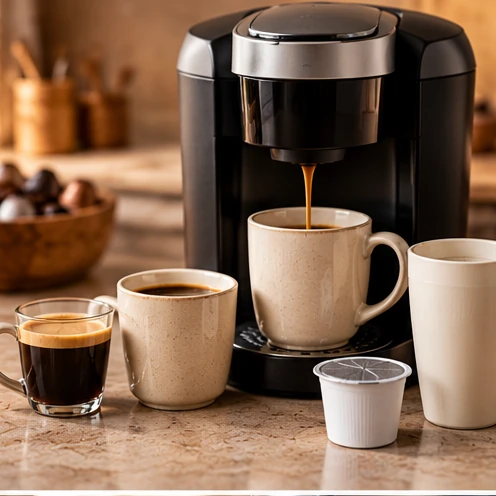
Brew size is one of the fastest ways to change how strong a pod tastes.
| Drink Style | Common Size | What to Know |
|---|---|---|
| Ristretto | 25 ml / 0.85 oz | Very concentrated; common in Nespresso Original |
| Espresso | 40 ml / 1.35 oz | Short concentrated drink |
| Double Espresso | 80 ml / 2.7 oz | Common Vertuo size for larger espresso drinks |
| Lungo | 110 ml / 3.7 oz | Longer Original-style coffee |
| Gran Lungo | 150 ml / 5 oz | Available in Vertuo |
| Mug Coffee | About 230 ml / 7.8 oz | Common Vertuo mug-size format |
| K-Cup Coffee | Varies by machine | Smaller settings usually taste stronger than the largest setting |
Do not use this chart as a reason to force every machine into every size. Follow the capsule and brewer instructions first.
How to Make Coffee Pod Coffee Stronger
- Use a smaller cup size. This is often the simplest fix for weak K-Cup coffee.
- Use Strong mode. On supported Keurig models, this can make the coffee taste bolder.
- Choose a bolder pod. Roast and blend affect taste even when caffeine stays similar.
- Do not over-program Vertuo volume. Too much water can make the drink thin.
- Check water flow. Scale or a blocked needle can reduce brewing performance.
Strong taste, roast darkness, and caffeine are different ideas. Our coffee pod flavor intensity guide ↗ explains the difference.
Best Water for Coffee Pod Machines
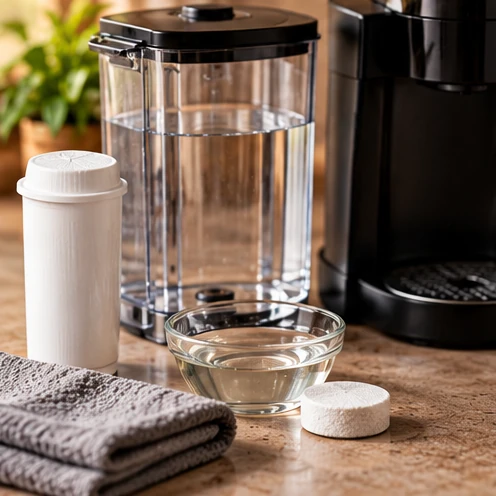
Water makes up most of the drink, so poor-tasting water can make good coffee taste bad.
Filtered or Bottled Water
Filtered or good-tasting bottled water can be a useful choice when tap water has a strong chlorine taste or heavy mineral character.
Distilled Water
Do not assume distilled water is best. Some coffee-machine makers advise against distilled or reverse-osmosis water for certain brewers. Follow your machine manual.
Hard Water
Hard water can leave mineral scale inside the brewer. If your machine becomes slower, noisier, or less consistent, check whether descaling is due.
Reusable Coffee Pod Brewing Guide
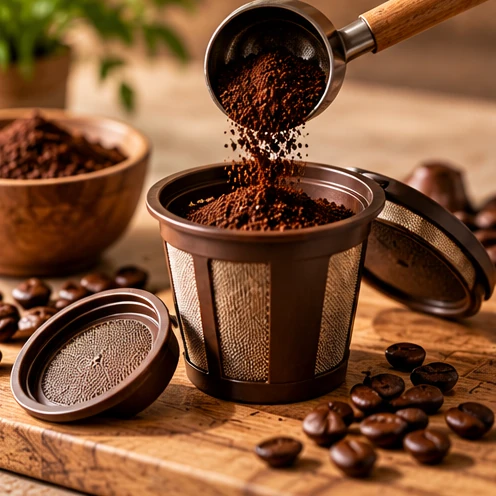
Reusable pods give you more control, but they also add more variables than factory-filled pods.
Use the Right Grind
A medium to medium-fine grind is a practical starting point for many reusable pod systems. Coffee that is too fine can slow flow or clog the filter. Coffee that is too coarse can taste weak.
Do Not Overpack the Pod
Fill evenly and follow the reusable pod’s instructions. Packing the grounds too tightly can restrict water flow.
Adjust One Thing at a Time
If the coffee is weak, first try a smaller cup. Then adjust grind or fill amount. Changing everything at once makes it hard to know what fixed the problem.
For reusable pod basics, see our reusable coffee pods guide ↗.
ESE Pod Brewing Guide
ESE means Easy Serving Espresso. These are usually paper-wrapped espresso pods used in compatible espresso machines.
- Warm the machine first.
- Place the ESE pod flat in the correct filter basket.
- Lock the portafilter or holder securely.
- Brew the intended espresso shot.
- Remove the used pod and clean the holder.
Do not use an ESE pod in a machine that does not support the 44 mm paper-pod format.
How to Brew Iced Coffee With Coffee Pods
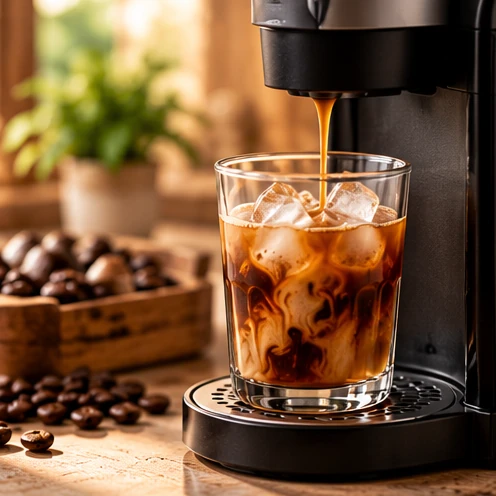
Ice dilutes coffee as it melts, so iced pod coffee usually works better with a concentrated brew.
- Use an iced or double-espresso capsule when your system offers one.
- For Keurig, a smaller size and Strong mode can help on supported machines.
- Fill the glass with enough ice before adding the coffee.
- Add milk after brewing so you can control dilution.
- Avoid stretching one small pod into a very large iced drink.
Lattes, Cappuccinos and Other Milk Drinks
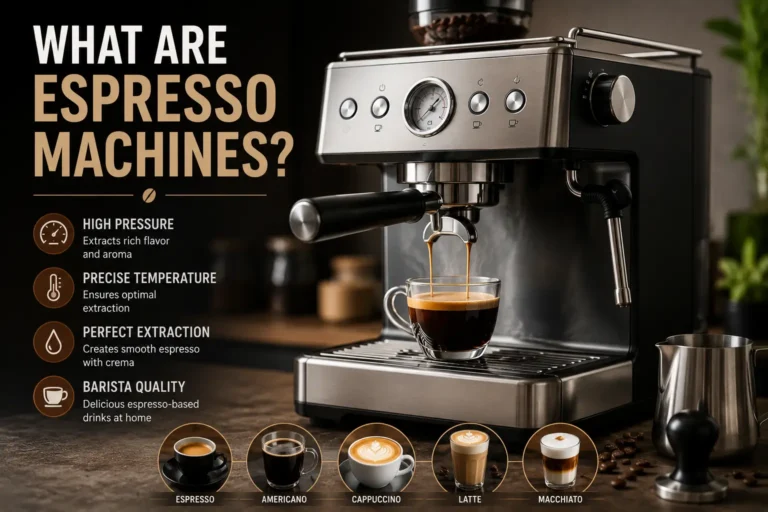
Pod machines can make a good coffee base for milk drinks even when the machine does not froth milk itself.
| Drink | Pod Base | Simple Method |
|---|---|---|
| Latte | Espresso or double espresso | Add more steamed or frothed milk |
| Cappuccino | Espresso | Add a smaller amount of milk with more foam |
| Macchiato | Espresso | Add a small amount of milk foam |
| Americano | Espresso | Add hot water after brewing |
| Iced latte | Double espresso or strong short coffee | Pour over ice and add cold milk |
Common Coffee Pod Brewing Mistakes
- Using the largest cup every time. This can make a small pod taste weak.
- Using the wrong capsule format. Original, Vertuo, K-Cup, ESE, and reusable pods are different systems.
- Ignoring the pod’s intended drink size. More water does not always mean more coffee flavor.
- Using old standing water. Fresh water usually tastes better.
- Skipping cleaning. Coffee oils, grounds, and scale can affect flow and flavor.
- Overfilling reusable pods. This can restrict water movement.
- Adding cold milk to a small hot drink. It can make the cup feel much cooler.
Troubleshooting Weak, Slow, Bitter or Cool Coffee
| Problem | Possible Cause | What to Try |
|---|---|---|
| Weak coffee | Too much water, mild pod, poor flow | Use a smaller size, Strong mode if available, or a bolder pod |
| Watery reusable-pod coffee | Coarse grind, too little coffee, fast flow | Use a slightly finer grind, correct fill level, and smaller brew |
| Slow brew | Scale, blocked needle or outlet | Clean the pod area and descale if due |
| Bitter coffee | Too much water through a small pod, dark roast, dirty machine | Use the intended size and clean the brewer |
| Coffee not hot enough | Cold mug, cold milk, scale, machine not ready | Preheat the mug, warm milk, and check maintenance |
| Leaks around pod | Wrong pod, damaged pod, dirty holder, seal issue | Stop brewing and inspect pod fit and machine parts |
For jams, leaks, blocked flow, and similar machine problems, see our coffee pod troubleshooting guide ↗.
Cleaning and Descaling Matter More Than Most People Think
A brewer can still turn on and make coffee while scale and old coffee residue slowly reduce performance.
- Rinse removable parts regularly.
- Empty the drip tray before it overflows.
- Clean puncture needles or pod holders according to the manual.
- Descale on the schedule recommended for your machine and water hardness.
- Run rinse cycles when your machine supports them.
Do not use random household chemicals inside the brewer. Follow the cleaning method made for your machine.
Frequently Asked Questions
Use the recommended or a smaller cup size, choose Strong mode if your brewer supports it, and try a bolder pod. Also check that the machine is clean and water flow is normal.
It depends on the pod and brewer, but smaller sizes usually taste stronger. Many people prefer 6 to 8 oz when they find larger K-Cup brews too weak.
It is better to brew the capsule once at its intended size. A second brew usually produces a thin, over-extracted drink.
Use fresh water that tastes good. Filtered water is a common choice. Check your machine manual before using distilled or reverse-osmosis water.
The brew size may be too large for the pod, the coffee may be mild, or a reusable pod may have too little coffee or a grind that is too coarse.
Strong mode is mainly used to make the flavor bolder by changing the brew process on supported models. Temperature control is a separate feature on machines that offer it.
Check that you are using the capsule at its intended drink size and that the programmed volume has not been changed too high. Also check machine cleaning and water flow.
Use the fill level recommended by the reusable pod maker. Fill evenly without packing the grounds too tightly.
Yes. Use an iced capsule when available or brew a smaller, stronger coffee so melting ice does not make the drink too watery.
Follow the schedule for your exact machine and water hardness. Descale sooner if the brewer becomes slower, noisier, or shows a descaling alert.
Final Thoughts
Better pod coffee usually comes from simple changes: use the correct capsule, match the brew size to the pod, use fresh water, and keep the machine clean. If the coffee tastes weak, start by reducing the cup size before changing everything else. Nespresso, Keurig, reusable pods, and ESE systems all work differently, so follow the brewing method built for your machine rather than using one rule for every pod.