
Coffee Pod Types and Materials

Coffee pods have become one of the most popular ↗ ways to brew coffee at home. They offer convenience, consistent flavor, and quick preparation with minimal cleanup. Whether you use a single-serve coffee maker, an espresso machine, or a reusable pod system, understanding the different coffee pod types and materials can help you choose the best option for your needs.

Coffee pods are available in several formats, including K-Cups, espresso pods, soft pods, reusable pods, refillable pods, biodegradable pods, compostable pods, and aluminum capsules. Each type is designed for specific brewing systems and offers different benefits related to flavor, convenience, cost, and sustainability.

What Are Coffee Pods?

Coffee pods are pre-portioned coffee containers designed to brew a single serving of coffee. They hold a measured amount of ground coffee inside a sealed package, helping maintain freshness while making brewing simple and convenient.

Unlike traditional coffee brewing methods that require measuring coffee grounds and using filters, coffee pods simplify the process by providing a ready-to-use coffee solution. Users simply insert the pod into a compatible machine and start brewing.

Different Types of Coffee Pods

Coffee pods come in several formats, each designed for specific coffee makers and brewing styles.

K-Cups

K-Cups are among the most widely used coffee pod formats. They are designed primarily for Keurig coffee machines and are available in hundreds of coffee blends, roasts, and flavors. K-Cups are known for their convenience and wide availability.

Espresso Pods

Espresso pods are designed to brew concentrated espresso-style coffee. These pods are commonly used in compatible espresso machines and provide a quick way to prepare espresso without grinding or tamping coffee.

Soft Pods

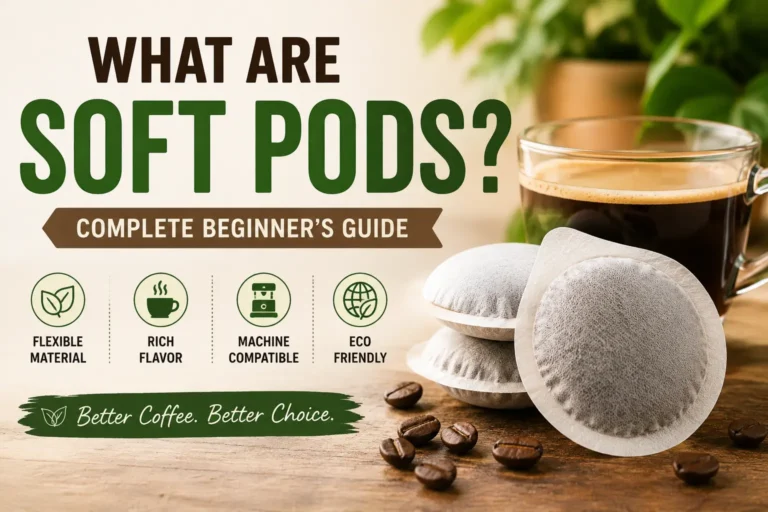
Soft pods use a paper filter material filled with pre-measured coffee grounds. They are lightweight, easy to use, and commonly found in certain pod coffee systems. Soft pods often create less waste than hard plastic capsules.

Reusable Pods

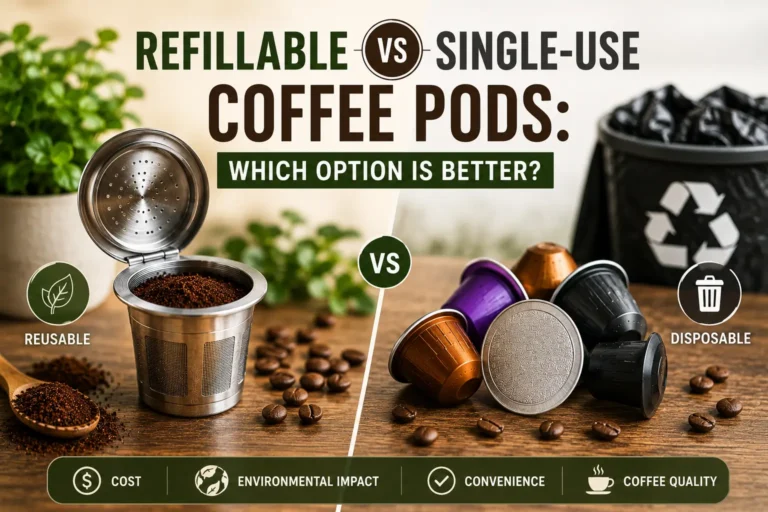
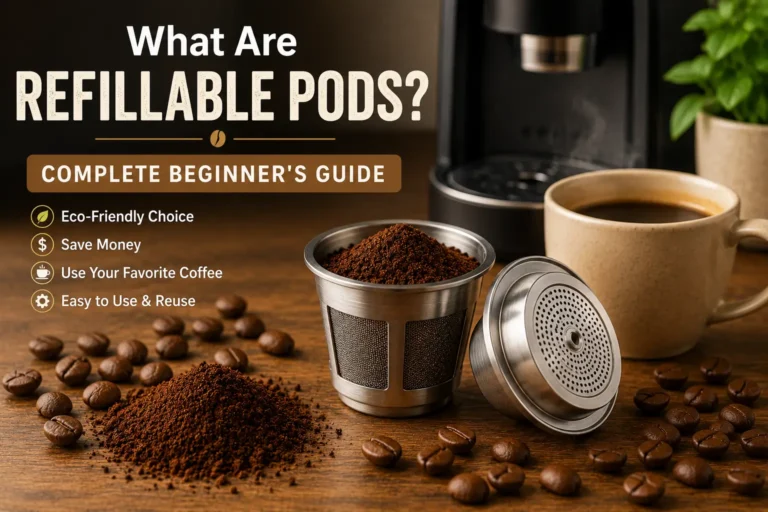
Reusable coffee pods allow users to add their own ground coffee instead of purchasing pre-filled pods. They help reduce waste and provide greater flexibility when selecting coffee beans and blends.

Refillable Pods

Refillable pods work similarly to reusable pods. Users fill the pod with fresh coffee grounds before each brew. Many coffee drinkers choose refillable pods to save money and reduce environmental impact.

Coffee Pod Materials Explained

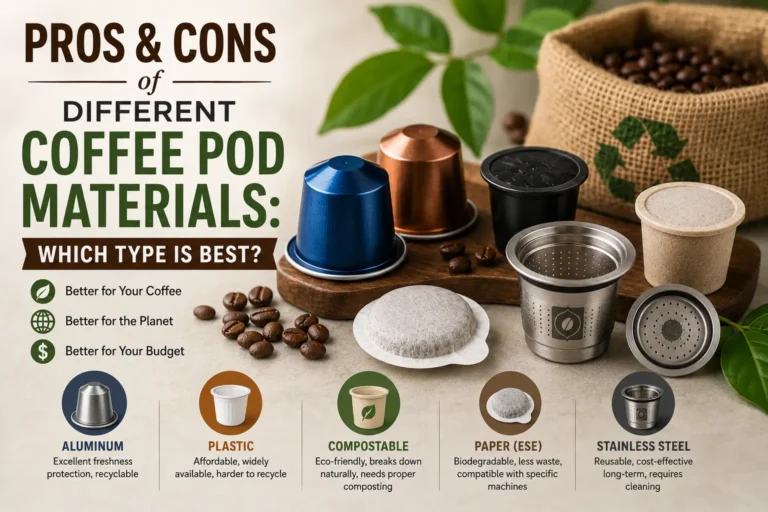
The material used in a coffee pod affects freshness, durability, recyclability, and environmental impact.

Plastic Coffee Pods

Plastic pods are lightweight and inexpensive to manufacture. They are commonly used in many single-serve coffee systems. Some plastic pods can be recycled, while others may require special recycling programs.

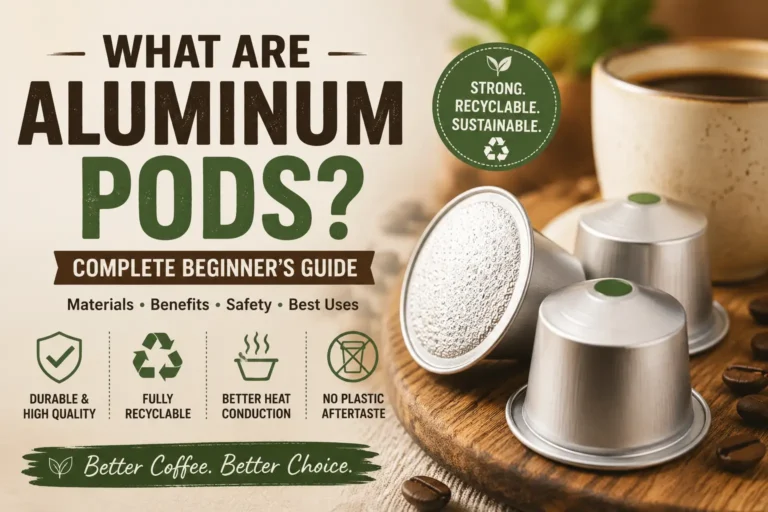
Aluminum Coffee Pods

Aluminum pods provide excellent protection against air, moisture, and light. This helps preserve coffee freshness for longer periods. Many aluminum capsules can be recycled through local recycling programs or manufacturer collection systems.

Paper-Based Coffee Pods

Paper coffee pods are often used in soft pod systems and ESE-style pods. These pods typically contain fewer materials and can be easier to dispose of than plastic alternatives.

Plant-Based Pod Materials

Many manufacturers now produce pods using plant-based materials designed to reduce environmental impact. These materials are often used in compostable and biodegradable pod systems.

Biodegradable and Compostable Coffee Pods

As sustainability becomes more important, many coffee brands now offer environmentally friendly pod options.

Biodegradable coffee pods are designed to break down naturally over time under suitable conditions. Compostable coffee pods go a step further by breaking down into organic material in industrial or home composting environments, depending on the product design.

While both options help reduce waste, consumers should always check manufacturer instructions to understand the proper disposal method.

Recyclable Coffee Pods

Recycling coffee pods depends largely on the materials used and local recycling rules. Some aluminum and plastic pods can be recycled after separating coffee grounds from the outer container.

Many coffee companies also offer dedicated pod recycling programs that allow consumers to return used capsules for proper processing. Recycling helps reduce landfill waste and supports more sustainable coffee consumption.

Coffee Pods vs Coffee Capsules

Many people use the terms coffee pods and coffee capsules interchangeably, but they are not always the same.

Coffee pods often refer to paper-based coffee packs that resemble tea bags. Coffee capsules typically use hard plastic or aluminum containers designed for specific brewing systems.

Understanding this difference can help consumers choose compatible products and better understand recycling and disposal requirements.

How to Choose the Right Coffee Pod

The best coffee pod depends on several factors:

  • Coffee machine compatibility
  • Flavor preferences
  • Brewing style
  • Sustainability goals
  • Budget
  • Convenience requirements

Some users prioritize convenience and choose disposable pods, while others prefer reusable or refillable options to reduce waste and lower long-term costs.

Explore Coffee Pod Types and Materials

This category covers everything related to coffee pod formats, materials, and sustainability. You can explore detailed guides on K-Cups, espresso pods, reusable pods, refillable pods, soft pods, aluminum pods, biodegradable pods, compostable pods, and coffee pod recycling.

By learning how different types of pods systems work, you can make better decisions about brewing, sustainability, and overall coffee quality. Whether you are new to single-serve coffee or looking for a more environmentally friendly option, understanding coffee pod types and materials is the first step toward finding the right coffee solution for your daily routine.

End of content

End of content