Can Coffee Pods Raise Cholesterol feature image

Can Coffee Pods Raise Cholesterol? What Coffee Drinkers Should Know (Beginner’s Guide)

Coffee pod machine black coffee and heart health concept

Coffee is part of my daily routine, so I always pay attention when I hear new health ↗ claims about it. One question that comes up often is whether coffee pods can raise cholesterol. I have seen people stop using their favorite pod machine simply because they heard that coffee is bad for heart health. That made me want to look beyond the headlines and understand what the research actually says.

If you drink coffee pods every day, you may have the same questions. Are coffee pods worse than regular coffee? Does the brewing method matter? Should people with high cholesterol avoid pod coffee altogether?

The short answer is coffee pods do not automatically raise cholesterol. The answer depends more on how the coffee is brewed, how much you drink, and what you add to your cup than on the pod itself.

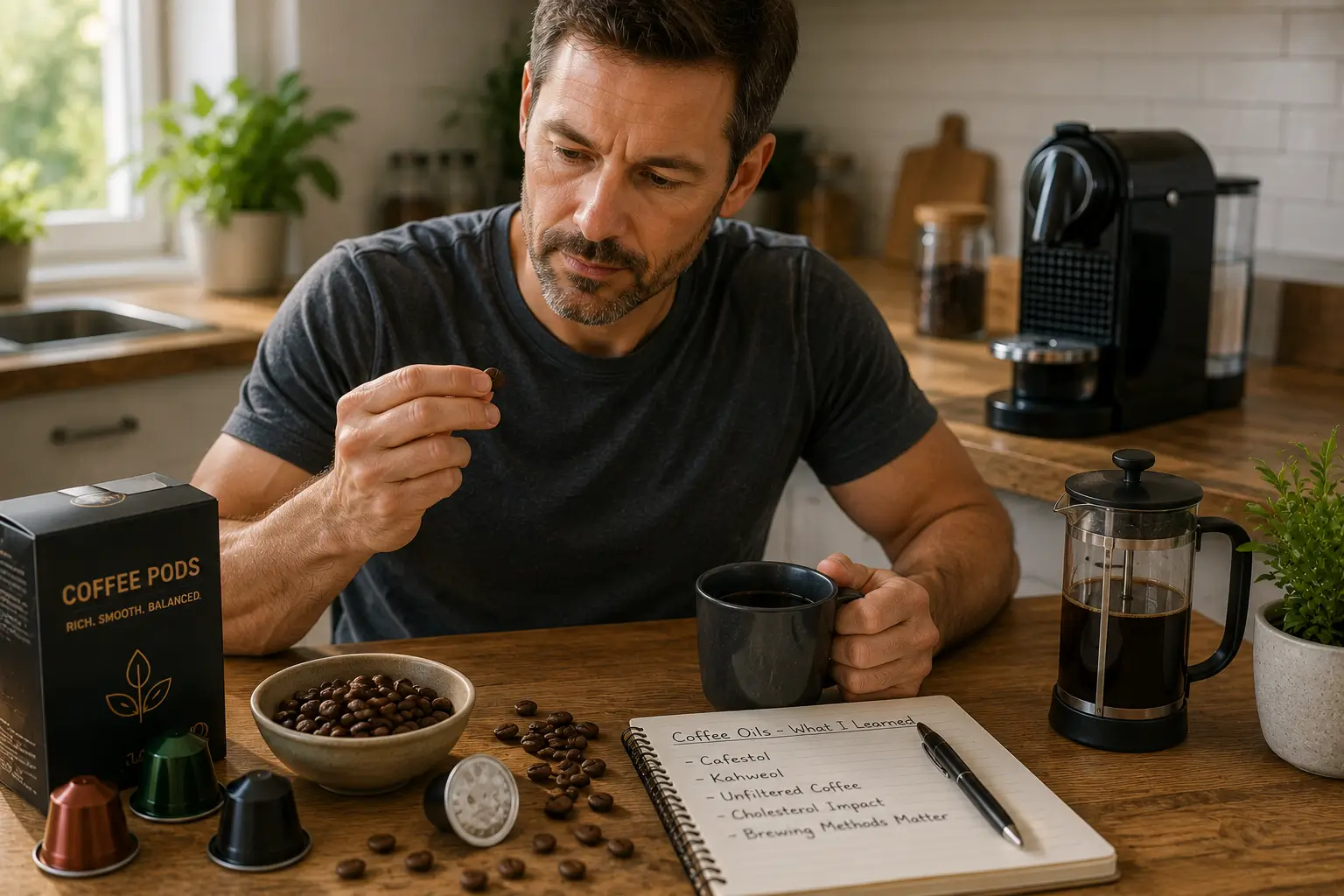
One important reason this topic causes confusion is that coffee naturally contains compounds called cafestol and kahweol. These natural coffee oils can affect LDL (often called “bad”) cholesterol when consumed in larger amounts. However, the amount that reaches your cup depends greatly on the brewing method and the type of filter used.

In this guide, I will explain the connection between coffee pods and cholesterol in simple language. We will look at how brewing methods influence coffee oils, whether different pod systems may vary, and what people with high cholesterol should know before changing their daily coffee routine.

Important note: This guide provides general educational information about coffee and cholesterol. It is not personal medical advice. If you have high cholesterol, heart disease, or another medical condition, follow the advice of your healthcare professional.

Key Takeaways

  • Coffee pods do not automatically raise cholesterol.
  • Natural coffee oils, especially cafestol, are the main reason coffee is sometimes linked with higher LDL cholesterol.
  • The brewing method and filtration system matter more than the pod itself.
  • Paper-filtered coffee generally removes much of these natural coffee oils.
  • Added cream, butter, and sugary flavorings may have a greater impact on an overall heart-friendly diet than plain black coffee.
  • Heart health depends on your complete lifestyle, not one beverage.
  • If you have high cholesterol, follow the advice of your healthcare professional before making major dietary changes.

Quick Answer: Can Coffee Pods Raise Cholesterol?

Usually, coffee pods do not automatically raise cholesterol.

The coffee pod itself is not the problem.

The more important questions are:

  • How is the coffee brewed?
  • Does the brewing method filter natural coffee oils?
  • How much coffee do you drink?
  • What do you add to your coffee?

Research has shown that certain natural compounds found in coffee oils, especially cafestol and kahweol, may increase LDL cholesterol when consumed in higher amounts over time.

Paper filters remove much of these compounds.

Brewing methods that use little or no paper filtration may allow more of these oils to remain in the final drink.

Because different coffee pod systems use different brewing designs, the amount of these compounds may also differ.

For many healthy adults who drink coffee in moderation, coffee pods alone are not usually considered a major cholesterol concern.

What Is Cholesterol?

Before talking about coffee pods, it helps to understand what cholesterol actually is.

Cholesterol is a fat-like substance found naturally in your body.

Your body needs cholesterol to:

  • Build healthy cells
  • Produce certain hormones
  • Help make vitamin D
  • Support digestion by producing bile acids

In other words, cholesterol itself is not bad.

The concern begins when certain types become too high.

LDL and HDL Cholesterol

You may have heard people talk about:

  • LDL cholesterol
  • HDL cholesterol

These two types have different roles.

LDL Cholesterol

LDL stands for low-density lipoprotein.

It is often called bad cholesterol because high levels can increase the risk of fatty deposits building up inside arteries over time.

HDL Cholesterol

HDL stands for high-density lipoprotein.

It is often called good cholesterol because it helps move excess cholesterol back to the liver, where it can be processed and removed from the body.

Keeping LDL and HDL in a healthy balance is one reason doctors often recommend paying attention to diet, exercise, and lifestyle.

Why Is Coffee Sometimes Linked with Cholesterol?

Coffee beans and natural coffee oils linked with cholesterol

This is where many people become confused.

Coffee beans naturally contain tiny amounts of oily compounds.

Two of the most important are:

  • Cafestol
  • Kahweol

These compounds are naturally present in coffee.

They are not added ingredients.

They come from the coffee bean itself.

Researchers have found that cafestol, in particular, may raise LDL cholesterol when larger amounts are consumed over time.

That sounds worrying.

But there is another important piece of the story.

Whether these compounds actually reach your cup depends heavily on how the coffee is brewed.

What Are Cafestol and Kahweol?

The names sound complicated, but the idea is simple.

Cafestol and kahweol are natural oils found inside coffee beans.

During brewing, some of these oils move into the coffee.

Different brewing methods allow different amounts to pass into the final drink.

You do not see these oils floating on the surface because the amounts are small.

But they are one reason scientists have studied the connection between coffee and cholesterol.

Which One Matters Most?

Among these two compounds, cafestol has received the most attention from researchers because it appears to have the stronger effect on LDL cholesterol.

Kahweol has also been studied, but cafestol is generally considered the more important compound when discussing cholesterol.

You do not need to memorize these names.

The important point is simply this:

Coffee naturally contains oils that behave differently depending on how the coffee is prepared.

Why Does the Brewing Method Matter?

Coffee brewing methods and filtration comparison

This is probably the most important idea in the entire article.

Many people ask:

Do coffee pods raise cholesterol?

A better question is:

How was the coffee filtered before it reached my cup?

Different brewing methods allow different amounts of coffee oils to remain in the finished drink.

For example:

  • Paper-filtered drip coffee removes much of the coffee oil.
  • Some unfiltered brewing methods leave more coffee oils in the cup.
  • Espresso and pod systems may fall somewhere between these examples depending on how they are designed.

This is why saying:

Coffee raises cholesterol.

is too simple.

The brewing method matters.

Do Coffee Pods Work Like Filtered Coffee?

Many coffee pod machines brew coffee through a built-in filter inside the pod or capsule.

Although pod systems vary, many provide more filtration than brewing methods such as a French press.

That means the amount of cafestol reaching the cup may also be lower.

However, not every coffee pod system works exactly the same way.

Different manufacturers use different:

  • Capsule designs
  • Filter materials
  • Brewing pressure
  • Brewing temperatures

This is one reason researchers do not treat every type of pod coffee as identical.

Instead of asking whether coffee pods are good or bad, it is more accurate to ask:

How does this brewing system filter coffee oils?

We will compare pod systems with other brewing methods later in this guide.

Does Every Coffee Pod Contain Coffee Oils?

Yes.

Because coffee pods contain ground coffee, they naturally contain coffee oils.

The important question is how much of those oils pass into your cup during brewing.

Think about making tea.

The tea leaves contain many natural compounds.

How much ends up in your cup depends on how you prepare the tea.

Coffee works in a similar way.

The beans naturally contain coffee oils, but the brewing process determines how much reaches the final drink.

Is the Coffee Pod Itself the Problem?

No.

This is one of the biggest misunderstandings I see online.

The plastic or aluminum pod is not what researchers are studying when discussing cholesterol.

The discussion is about:

  • Coffee oils
  • Brewing method
  • Filtration
  • Coffee compounds

The pod is simply a container that holds the ground coffee.

Whether the coffee is prepared using:

  • a pod machine,
  • a drip coffee maker,
  • an espresso machine,
  • or another brewing method,

the important question remains:

How much cafestol and kahweol reach the final cup?

Does Adding Cream or Sugar Matter More?

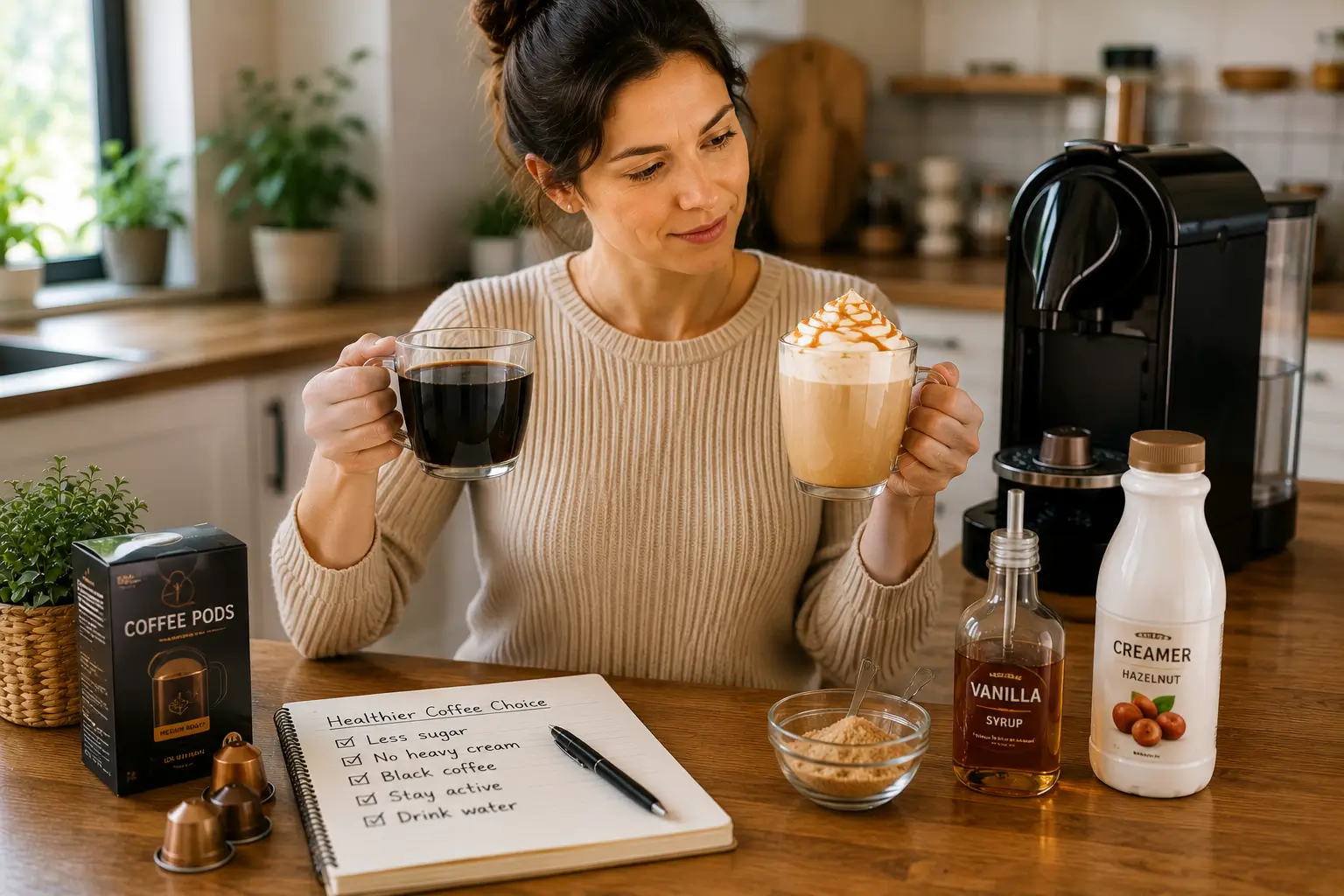
Black coffee compared with coffee containing cream and syrup

For many people, the answer may actually be yes.

A plain black coffee pod is very different from a coffee drink made with:

  • Heavy cream
  • Butter
  • Sweetened creamers
  • Whipped topping
  • Sugary syrups

These ingredients can add:

  • Saturated fat
  • Sugar
  • Calories

While the research on coffee oils focuses on cafestol and kahweol, everyday dietary choices also matter for heart health.

That is why I always look at the whole cup, not just the coffee.

A plain black coffee and a large sweetened specialty coffee may have very different nutrition profiles.

For a closer look at calories and common coffee ingredients, read our Coffee Pods Calories and Nutrition Guide ↗.

Should Healthy Adults Worry About One Daily Coffee Pod?

For many healthy adults, one plain coffee pod is unlikely to be a major concern when viewed as part of an overall balanced lifestyle.

Heart health depends on many factors, including:

  • Overall diet
  • Physical activity
  • Body weight
  • Smoking status
  • Family history
  • Blood pressure
  • Blood cholesterol
  • Sleep
  • Medical conditions

Coffee is only one small part of that picture.

That is why I think it is better to understand how coffee is brewed instead of assuming every coffee pod is automatically bad for cholesterol.

My First Impression After Looking Into This Topic

Before reading the research, I thought the answer would be simple.

Either coffee pods raised cholesterol, or they did not.

Instead, I found something much more useful.

The pod itself is usually not the deciding factor.

The brewing method, filtration, coffee oils, and your overall diet explain much more than the pod alone.

That completely changed how I think about coffee and cholesterol.

Instead of worrying every time I make a cup, I now pay closer attention to how my coffee is prepared and to the rest of my daily eating habits.

Coffee and Cholesterol: Myth vs Reality

MythReality
Coffee pods automatically raise cholesterol.Coffee pods alone are not automatically linked with higher cholesterol. Brewing method matters more.
All coffee contains the same amount of coffee oils.Different brewing methods allow different amounts of cafestol and kahweol into the final drink.
The pod itself causes cholesterol problems.The discussion focuses on natural coffee oils, not the pod container.
Every coffee drink affects cholesterol the same way.Brewing method, filtration, and what you add to your coffee can all make a difference.
You must stop drinking pod coffee if you care about heart health.Many people can enjoy pod coffee as part of a balanced lifestyle, but those with high cholesterol should follow medical advice and consider their overall diet.

Do Coffee Pods Contain Cafestol?

Yes.

Because coffee pods contain ground coffee, they naturally contain cafestol and kahweol.

These compounds are present inside coffee beans before brewing even begins.

The important question is not whether coffee pods contain them.

The real question is:

How much of these natural coffee oils reach your cup?

That depends on the brewing system and the type of filtration used.

Some brewing methods ↗ allow more coffee oils to pass into the drink, while others remove a larger amount before the coffee reaches your cup.

This is why researchers often focus on brewing methods rather than simply asking whether someone drinks coffee pods.

Why Filtration Makes Such a Difference

Imagine pouring orange juice through a strainer.

Some pulp stays behind.

Some passes through.

Coffee works in a similar way.

During brewing, filters help trap many tiny coffee particles and oils before they reach your mug.

Paper filters are especially effective at removing much of the natural coffee oils that contain cafestol and kahweol.

Other brewing methods may allow more of these oils to remain in the final drink.

This is one reason different brewing styles can have different effects on cholesterol levels.

Coffee Pods vs Filtered Drip Coffee

Coffee pod machine compared with paper filtered drip coffee

Filtered drip coffee is one of the most studied brewing methods.

It usually uses a paper filter.

That paper filter removes much of the cafestol and kahweol before the coffee reaches your cup.

Because of this, filtered drip coffee is generally considered one of the more heart-friendly brewing methods for people who are concerned about cholesterol.

Many coffee pod systems also use built-in filters.

However, they are not always identical to traditional paper filters.

Different manufacturers use different designs, so the exact amount of coffee oils can vary.

For many everyday coffee drinkers, pod coffee and filtered drip coffee are often much closer to each other than pod coffee and completely unfiltered brewing methods.

Coffee Pods vs French Press

Coffee pod coffee compared with French press coffee

French press coffee works differently.

Instead of using a paper filter, it uses a metal mesh filter.

This filter allows more of the natural coffee oils to remain in the finished coffee.

That means a French press may deliver higher amounts of cafestol than many paper-filtered brewing methods.

If someone is trying to reduce cholesterol through diet, healthcare professionals sometimes suggest choosing paper-filtered coffee instead of regularly drinking large amounts of unfiltered coffee.

That does not mean French press coffee is “bad.”

It simply contains a different amount of naturally occurring coffee oils.

Coffee Pods vs Espresso

Espresso is another brewing method that often creates confusion.

Many pod systems, especially capsule machines, prepare coffee using pressure that is similar to espresso brewing.

However, they are not all exactly the same.

Traditional espresso usually has:

  • A concentrated serving
  • Short extraction time
  • Fine coffee grounds
  • High brewing pressure

Some coffee pod machines create drinks that are very similar to espresso.

Others prepare coffee that is closer to regular brewed coffee.

Because brewing systems differ, the amount of cafestol reaching the cup can also differ.

This is another reason there is no single answer for every coffee pod.

Coffee Pods vs Instant Coffee

Instant coffee is made differently from brewed coffee.

The coffee is brewed first, then dried into a powder or granules.

When you add hot water, it dissolves quickly.

Because the manufacturing process is different, the amount of cafestol in instant coffee is generally lower than in many freshly brewed coffee methods.

Coffee pods and instant coffee are both convenient, but they are prepared in very different ways.

Does Drinking More Coffee Pods Matter?

Yes.

Even if each individual cup contains only a modest amount of coffee oils, drinking several cups every day increases your overall intake.

Think of it this way.

One spoonful of sugar is different from five spoonfuls.

The same idea applies to coffee.

If you drink:

  • One coffee pod each morning
  • Two or three cups throughout the day
  • Five or more strong coffees every day

your total intake naturally changes.

That does not automatically mean your cholesterol will increase.

It simply means the amount of coffee compounds you consume also increases.

Moderation is still an important part of the conversation.

Does the Roast Level Matter?

Many people believe dark roast coffee automatically raises cholesterol more than light roast coffee.

Current evidence does not support such a simple conclusion.

Roast level mainly changes:

  • Flavor
  • Aroma
  • Bitterness
  • Acidity

It is not considered the main factor affecting coffee oils and cholesterol.

The brewing method usually has a much greater influence than whether the beans are lightly or darkly roasted.

Do Flavored Coffee Pods Raise Cholesterol?

The flavor itself usually does not raise cholesterol.

Many flavored coffee pods contain added flavoring compounds but very few calories on their own.

The bigger concern is often what happens after brewing.

For example, adding:

  • Sweetened creamers
  • Heavy cream
  • Butter
  • Whipped topping
  • Sugary syrups

can increase saturated fat, sugar, and calories.

These ingredients may have a greater effect on an overall heart-friendly eating pattern than the flavor inside the coffee pod.

Do Milk and Cream Matter More Than Coffee?

For many people, yes.

Imagine two coffee drinkers.

Person A

  • Drinks one plain black coffee pod.

Person B

  • Drinks one coffee pod.
  • Adds heavy cream.
  • Adds flavored syrup.
  • Adds whipped topping.

Both people started with the same coffee pod.

The finished drinks are very different.

The added ingredients can significantly change the nutrition profile.

This is one reason nutrition professionals often recommend looking at the whole beverage, not only the coffee itself.

Does Sugar Affect Cholesterol?

Sugar does not contain cholesterol.

However, eating or drinking large amounts of added sugar may make it harder to maintain an overall heart-healthy diet.

Many specialty coffee drinks contain much more sugar than plain brewed coffee.

If you enjoy flavored coffee, checking nutrition labels and using sweeteners in moderation can be a helpful habit.

Who Should Be More Careful?

Not everyone needs to think about coffee and cholesterol in the same way.

People who may want to pay closer attention include those who:

  • Have been diagnosed with high LDL cholesterol
  • Have heart disease
  • Have a strong family history of high cholesterol
  • Have been advised by a healthcare professional to reduce cholesterol levels

For these individuals, discussing coffee habits during a routine medical visit may be worthwhile.

A healthcare professional can provide advice based on personal medical history rather than general recommendations.

Should You Stop Drinking Coffee Pods If You Have High Cholesterol?

Not necessarily.

Many people immediately assume:

High cholesterol means no more coffee.

The situation is usually more complicated.

Several factors influence cholesterol, including:

  • Overall diet
  • Exercise
  • Weight
  • Smoking
  • Alcohol intake
  • Genetics
  • Medical conditions
  • Medicines

Coffee is only one piece of the puzzle.

For many people, improving overall eating habits has a much greater impact than simply changing one brewing method.

That is why it is important to avoid making decisions based on internet myths alone.

Everyday Habits Often Matter More

When I think about heart health, I find these habits much more important than worrying about one coffee pod.

For example:

  • Eating more fruits and vegetables
  • Choosing whole grains
  • Staying physically active
  • Sleeping well
  • Not smoking
  • Managing stress
  • Following medical advice

Coffee is part of daily life for many people, but it should be viewed alongside these other healthy habits.

My Perspective After Comparing Brewing Methods

Before researching this topic, I assumed every type of coffee would affect cholesterol in exactly the same way.

That turned out not to be true.

The biggest lesson I learned was this:

The brewing method often matters more than the coffee pod itself.

Instead of asking whether coffee pods are “good” or “bad,” I now ask questions like:

  • How is this coffee brewed?
  • Is it filtered?
  • How many cups am I drinking?
  • What am I adding to my coffee?

Those questions provide much more useful answers.

Coffee Brewing Methods at a Glance

Different coffee brewing methods arranged together
Brewing MethodCoffee Oils Reaching the CupCholesterol Consideration
Paper-filtered drip coffeeLowerGenerally considered one of the more cholesterol-friendly brewing methods.
Many coffee pod systemsModerate to lower (varies by design)Depends on the brewing system and filter used.
French pressHigherAllows more natural coffee oils to remain in the drink.
EspressoModerate (varies by preparation)Depends on serving size and brewing method.
Instant coffeeLowerUsually contains relatively low amounts of cafestol.

Coffee Pod Habits That Support Heart Health

Here are a few simple habits that can help if you enjoy coffee pods every day.

HabitWhy It May Help
Drink coffee in moderationKeeps overall coffee intake balanced.
Choose black coffee more oftenAvoids unnecessary saturated fat and added sugar.
Limit heavy cream and sugary syrupsSupports an overall heart-friendly diet.
Eat a balanced dietHeart health depends on much more than coffee.
Stay physically activeExercise supports healthy cholesterol management.
Follow your healthcare professional’s advicePersonal guidance is more valuable than general internet advice.

Should People With High Cholesterol Stop Drinking Coffee Pods?

For most people, not necessarily.

Being diagnosed with high cholesterol does not automatically mean you have to give up coffee pods.

Instead, it is a good reason to look at your overall lifestyle.

Ask yourself questions like:

  • How many coffee pods do I drink each day?
  • Do I usually drink black coffee or add cream and sugar?
  • What does the rest of my diet look like?
  • Am I physically active?
  • What advice has my healthcare professional given me?

For many people, improving overall eating habits, staying active, and following medical advice will have a much greater impact than simply stopping pod coffee.

If you have been diagnosed with high LDL cholesterol or heart disease, always follow the recommendations of your healthcare professional. They can advise you based on your medical history, cholesterol levels, and any medicines you take.

Can You Make Coffee Pods More Heart-Friendly?

Yes.

Small daily habits can make a difference over time.

Here are a few simple ideas:

✓ Choose Black Coffee More Often

Black coffee contains very few calories and no added saturated fat or sugar.

If you enjoy the taste, this is one of the easiest ways to keep your coffee simple.

✓ Be Careful With Creamers

Many flavored creamers contain:

  • Saturated fat
  • Added sugar
  • Artificial flavorings

Using them occasionally is fine for many people, but using large amounts every day can quickly change the nutrition profile of your coffee.

✓ Watch Portion Sizes

One coffee pod may fit comfortably into your daily routine.

Five or six large coffees every day may deserve another look.

Moderation is still one of the best habits for long-term health.

✓ Focus on Your Whole Diet

Heart health depends on much more than coffee.

Try to include:

  • Fruits
  • Vegetables
  • Whole grains
  • Beans
  • Nuts
  • Lean protein
  • Healthy fats

Looking at your complete eating pattern is much more useful than focusing on a single food or drink.

Lifestyle Habits That Support Healthy Cholesterol

Coffee is only one part of your day.

The following habits are often much more important for supporting healthy cholesterol levels.

Stay Active

Regular physical activity supports overall heart health.

Even a daily walk can become part of a healthy routine.

Maintain a Healthy Weight

Keeping a healthy weight may help improve cholesterol levels and support overall well-being.

Avoid Smoking

Smoking affects heart and blood vessel health in many ways.

If you smoke, speaking with a healthcare professional about quitting can be one of the most beneficial lifestyle changes.

Get Enough Sleep

Poor sleep may affect many aspects of health, including eating habits and overall wellness.

Building a consistent sleep routine supports long-term health.

Follow Your Treatment Plan

If your healthcare professional has recommended lifestyle changes or prescribed medication for high cholesterol, continue following that advice.

Coffee should never replace medical treatment.

Common Mistakes People Make

While researching this topic, I noticed several misunderstandings appear again and again.

Mistake 1: Blaming the Coffee Pod

Many people assume the pod itself causes cholesterol problems.

In reality, researchers focus on coffee oils and brewing methods, not the pod container.

Mistake 2: Ignoring Added Ingredients

Sometimes the biggest source of saturated fat is not the coffee.

It is what gets added afterward.

Large amounts of:

  • Heavy cream
  • Butter
  • Sweetened creamers
  • Whipped topping

can have a greater impact on your overall diet than plain brewed coffee.

Mistake 3: Believing Every Brewing Method Is the Same

French press, filtered drip coffee, espresso, and coffee pod machines all prepare coffee differently.

That means they may not deliver the same amount of natural coffee oils.

Understanding the brewing method gives a much clearer picture.

Mistake 4: Focusing Only on Coffee

Cholesterol is influenced by many factors, including:

  • Diet
  • Exercise
  • Genetics
  • Body weight
  • Smoking
  • Medical conditions

Coffee is only one piece of the puzzle.

Mistake 5: Trusting Social Media Headlines

Online headlines often oversimplify complex health topics.

Claims such as:

“Coffee raises cholesterol.”

or

“Coffee is perfectly safe for everyone.”

leave out important details.

Looking at the complete evidence is much more helpful.

My Daily Approach to Coffee and Heart Health

After reading the research and comparing different brewing methods, I have changed the way I think about coffee.

I no longer see coffee as something that is automatically good or automatically bad.

Instead, I focus on balance.

I enjoy my daily coffee pod, but I also pay attention to the rest of my routine.

I try to:

  • Drink mostly black coffee.
  • Avoid adding large amounts of sugary creamers.
  • Eat a balanced diet.
  • Stay active.
  • Drink enough water throughout the day.

Those habits make much more sense to me than worrying about one cup of coffee by itself.

Coffee Pods and Cholesterol: Quick Comparison

SituationWhat to Know
One plain coffee pod each dayUsually not considered a major cholesterol concern for most healthy adults.
Coffee pod with heavy cream and syrupAdded ingredients may increase saturated fat and calories.
Several cups every dayOverall intake becomes more important than a single cup.
Paper-filtered brewingRemoves much of the natural coffee oils linked to cholesterol.
Unfiltered brewing methodsMay allow more coffee oils to remain in the final drink.

Heart-Friendly Coffee Checklist

Use this simple checklist if you enjoy coffee pods regularly.

Habit
Drink coffee in moderation
Choose black coffee when possible
Limit sugary creamers and syrups
Eat a balanced diet
Stay physically active
Follow medical advice if you have high cholesterol
Keep regular cholesterol check-ups if recommended

Frequently Asked Questions

The amount of natural coffee oils reaching your cup depends on the brewing method and filtration system.

Many pod systems use built-in filters, although the amount of filtration varies between manufacturers.

Paper-filtered drip coffee generally removes more cafestol than completely unfiltered brewing methods.

However, the right choice depends on your personal health, cholesterol levels, and the advice of your healthcare professional.

The exact amount depends on how the coffee is prepared rather than simply whether it is espresso or pod coffee.

Instead, focus on moderation, a balanced diet, and following professional medical advice if you have concerns about your cholesterol.

Final Thoughts:

When I first looked into this topic, I expected a simple answer. I thought coffee pods either raised cholesterol or they did not.

Instead, I found that the real answer is much more balanced.

The pod itself is usually not the deciding factor. What matters most is how the coffee is brewed, how much of the natural coffee oils reach your cup, what you add to your coffee, and the overall quality of your diet and lifestyle.

For my own routine, this has changed the way I think about coffee. Rather than worrying every time I make a cup, I focus on sensible habits. I enjoy my coffee in moderation, keep added sugars and heavy cream to a minimum, stay active, and remember that heart health depends on many daily choices—not just one beverage.

If there is one message to remember, it is this:

For most healthy adults, coffee pods are not automatically a threat to healthy cholesterol levels. Understanding your brewing method and maintaining an overall heart-friendly lifestyle are far more important than avoiding coffee pods altogether.

Similar Posts