
How to Make Smooth Cold Brew Coffee at Home?
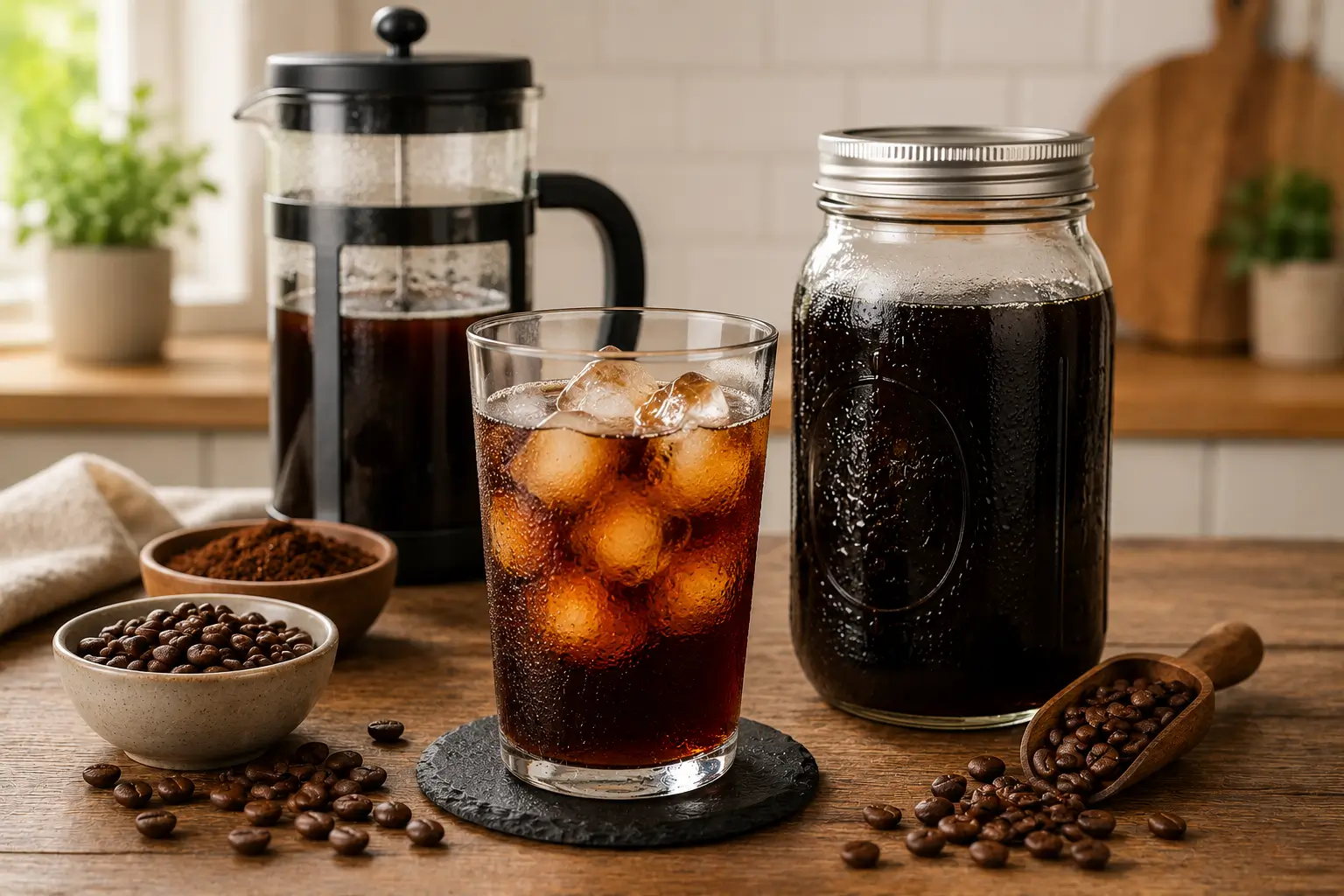
I first started making cold brew coffee during the summer because I wanted a smoother and less acidic alternative to hot coffee. At first, I assumed cold brew and iced coffee were the same thing. After testing different brewing techniques at home, I quickly realized that the brewing method has a huge effect on flavor, strength, and overall coffee quality.
Over the years, I have experimented with French presses, mason jars, and dedicated cold brew makers. Some methods were simple and beginner-friendly, while others required more time and equipment. Through trial and error, I learned that cold brew coffee is easy to make once you understand the basics.
In this guide, you will learn the most popular cold brew methods, the best coffee beans to use, brewing ratios, and tips for making smooth cold brew coffee at home.
What Is Cold Brew Coffee?
Cold brew coffee is coffee that is brewed with cold or room-temperature water over an extended period.
Unlike traditional hot coffee, cold brew does not use heat during extraction. Instead, coffee grounds are steeped slowly for several hours to create a smooth and concentrated beverage.
Cold brew coffee is known for:
Lower acidity
Smooth flavor
Reduced bitterness
Refreshing taste
Versatile serving options
Cold brew can be served:
Over ice
With milk
With water
As a concentrate
In specialty coffee drinks
Because of its smooth taste, cold brew has become one of the most popular brewing styles among coffee lovers.
Why Brew Coffee With Cold Water?
Using cold water changes how coffee compounds are extracted.
Hot water extracts flavors quickly, while cold water extracts flavors more slowly.
This slower extraction process often produces:
Less Acidity
Many coffee drinkers find cold brew easier on the stomach than traditional hot coffee.
Smoother Flavor
Cold brewing reduces some bitter compounds, creating a sweeter taste.
Reduced Bitterness
Long steeping times and lower temperatures can produce a balanced flavor profile.
Versatility
Cold brew concentrate can be mixed with water, milk, cream, or flavored syrups.
These characteristics make cold brew popular among people who prefer milder coffee.
Choosing Coffee Beans for Cold Brew
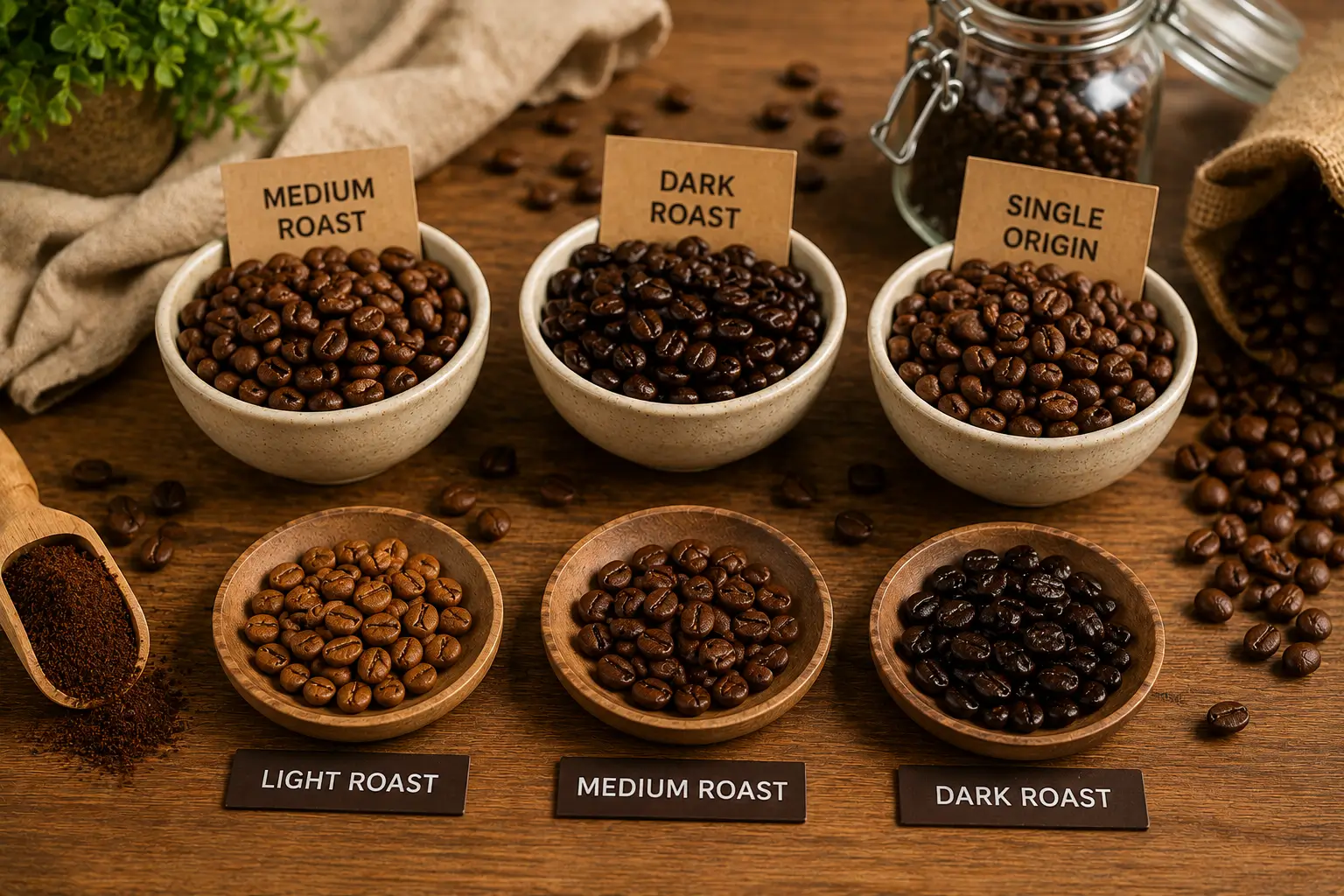
The coffee beans you choose can greatly affect the final flavor.
Although almost any coffee bean can be used, some roast levels work particularly well for cold brew.
Medium Roast Coffee
Medium roasts provide balanced sweetness and acidity.
They are popular among beginners because they create a smooth and approachable flavor.
Dark Roast Coffee
Dark roasts produce richer flavors with notes of chocolate, caramel, and nuts.
Many cold brew enthusiasts prefer dark roasts for a bold taste.
Single-Origin Coffee Beans
Single-origin beans can highlight unique flavors from specific growing regions.
These coffees often produce more complex cold brew profiles.
Freshly Roasted Coffee
Fresh coffee beans usually provide better aroma and flavor than stale coffee.
Grinding beans shortly before brewing can further improve taste.
Best Roast Levels for Cold Brew
Different roast levels create different flavor experiences.
Light Roast
Bright flavors
Fruity notes
Higher acidity
Medium Roast
Balanced taste
Mild sweetness
Smooth finish
Dark Roast
Bold flavor
Lower acidity
Chocolate and nutty notes
There is no single “best” roast for cold brew. Personal preference plays the biggest role.
Many home brewers start with medium roasts because they provide a balanced and versatile flavor.
Coffee-to-Water Ratio
The coffee-to-water ratio determines how strong your cold brew becomes.
A common starting ratio is:
Standard Cold Brew Concentrate
1 part coffee to 4 parts water
Ready-to-Drink Cold Brew
1 part coffee to 8 parts water
Some coffee drinkers prefer stronger brews, while others enjoy lighter flavors.
Experimenting with ratios helps you find the taste that suits your preferences.
Key Takeaways
Cold brew coffee uses cold water instead of heat.
Slow extraction creates a smoother and less acidic flavor.
Medium and dark roasts are popular choices for cold brew.
Fresh coffee beans improve flavor quality.
Coffee-to-water ratios influen
Grind Size for Cold Brew
Grind size is one of the most important factors in making great cold brew coffee.
Most cold brew methods work best with a coarse grind. Coarse coffee grounds allow water to extract flavors slowly without producing excessive bitterness.
Why Coarse Grind Works Best
Helps prevent over-extraction.
Creates a smoother flavor.
Makes filtering easier.
Reduces unwanted sediment.
Using finely ground coffee can result in a cloudy and bitter brew.
A grind size similar to coarse sea salt is often recommended for cold brew coffee.
Brewing Time
Cold brew coffee requires patience because the extraction process is much slower than traditional hot brewing.
Typical Brewing Times
12 hours for a lighter brew.
16 hours for balanced flavor.
18 to 24 hours for a stronger concentrate.
Steeping time can vary depending on:
Coffee bean type.
Grind size.
Desired strength.
Room temperature.
Many home brewers leave their cold brew overnight and filter it the next day.
Mason Jar Cold Brew Method
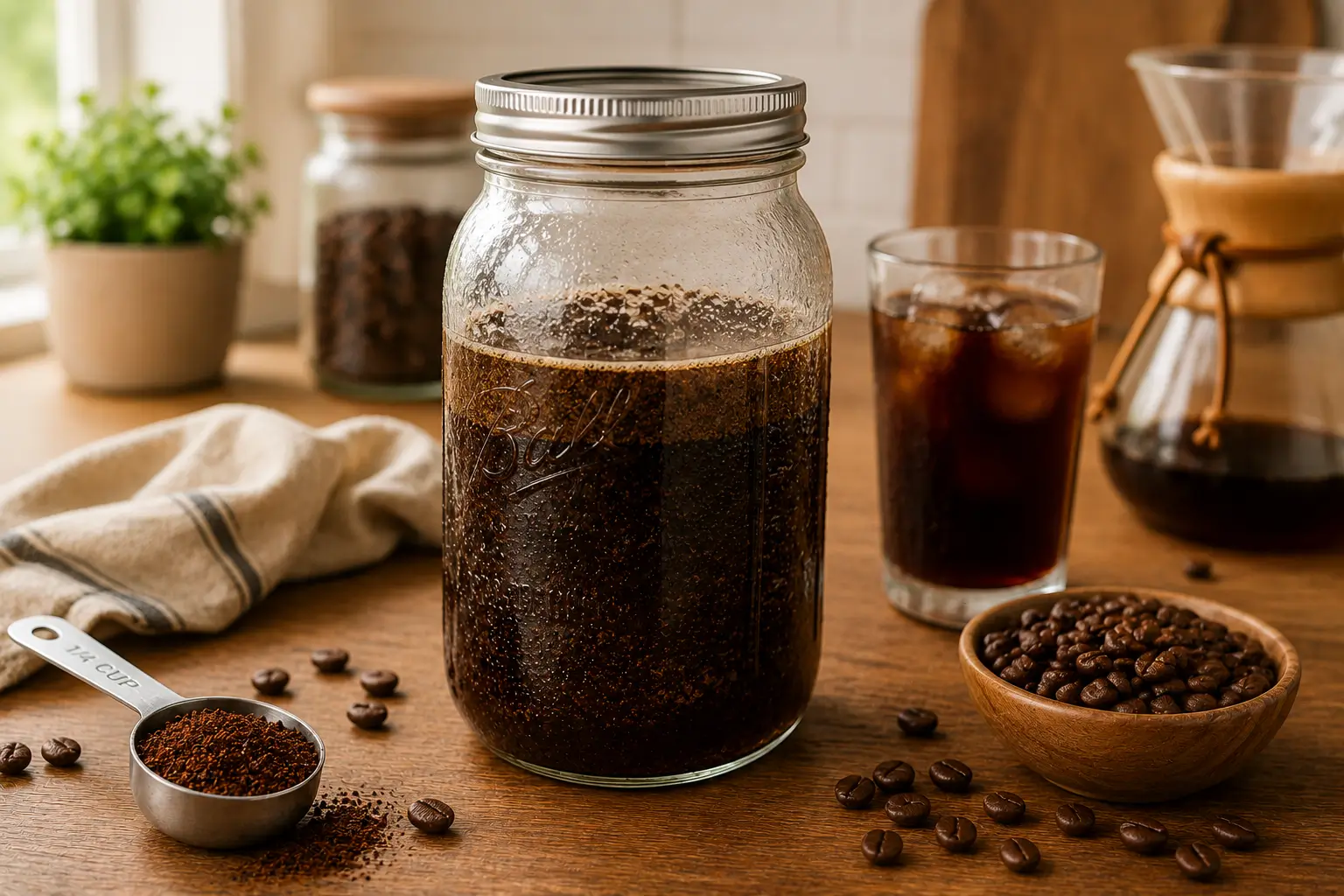
The mason jar method is one of the easiest ways to make cold brew at home.
How to Make Cold Brew in a Mason Jar
Add coarse coffee grounds to a clean mason jar.
Pour cold filtered water over the grounds.
Stir gently.
Cover the jar.
Allow the coffee to steep for 12 to 24 hours.
Filter the coffee before serving.
Benefits of the Mason Jar Method
Beginner-friendly.
Low cost.
No special equipment required.
Easy to prepare.
This method is popular among people making cold brew for the first time.
French Press Cold Brew Method
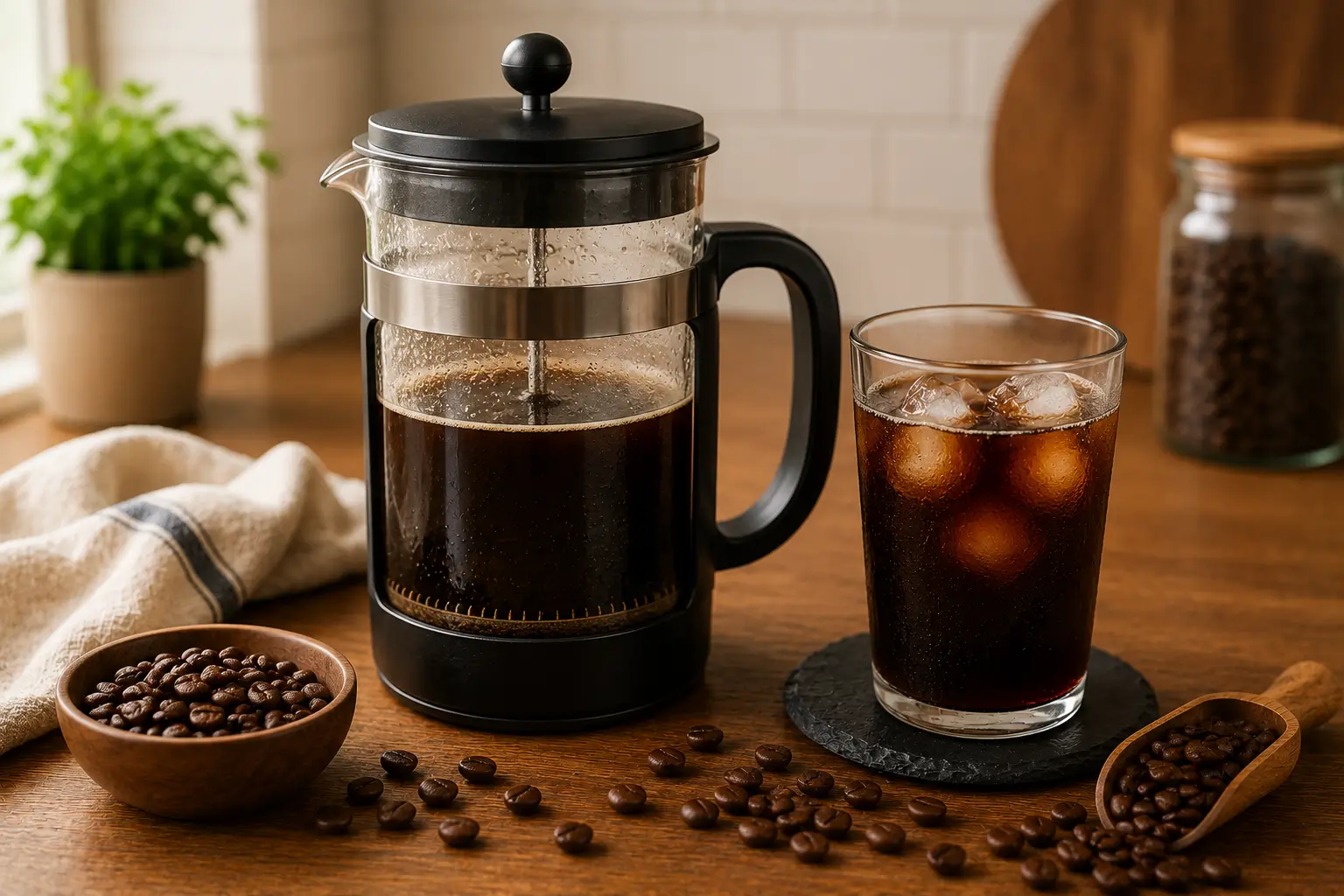
A French press can also be used to prepare cold brew coffee.
How to Make Cold Brew in a French Press
Add coarse coffee grounds to the French press.
Pour cold water over the grounds.
Stir gently.
Place the lid on without pressing the plunger.
Allow the coffee to steep.
Press the plunger slowly after brewing.
Benefits of the French Press Method
Simple filtration process.
Less mess.
Easy cleanup.
Equipment already found in many homes.
French press cold brew is one of my favorite methods because filtering becomes much easier.
Cold Brew Maker Method
Dedicated cold brew makers are designed specifically for making cold brew coffee.
These systems often include:
Built-in filters.
Large brewing containers.
Easy pouring designs.
Benefits of Cold Brew Makers
Convenient brewing process.
Better filtration.
Larger batch sizes.
Easy storage.
Cold brew makers are ideal for people who drink cold brew regularly.
Slow Drip Cold Brew Method
Slow drip cold brew uses a specialized brewing tower that allows water to drip slowly over coffee grounds.
Unlike immersion methods, slow drip systems continuously pass water through the coffee.
Benefits of Slow Drip Cold Brew
Cleaner flavor.
More complex taste profile.
Attractive brewing presentation.
Limitations
Requires special equipment.
Longer preparation process.
More expensive than other methods.
This brewing style is commonly used in specialty coffee shops.
How to Filter Cold Brew Coffee
Filtering is an important step because it removes coffee grounds and improves the texture of the final drink.
Several filtering methods can be used.
Paper Filters
Paper filters provide the cleanest cup because they remove most fine particles.
They are commonly used with pour-over brewers and drip coffee makers.
Fine Mesh Strainers
Fine mesh strainers are reusable and simple to use.
However, some small coffee particles may remain in the drink.
Cheesecloth
Cheesecloth can filter large batches of cold brew and is often used with mason jar methods.
Built-In Filters
Many dedicated cold brew makers include reusable filters for convenience.
Choosing the right filter depends on your preferred texture and equipment.
Cold Brew Concentrate vs Ready-to-Drink Cold Brew
Cold brew can be prepared in two forms.
Cold Brew Concentrate
Cold brew concentrate is stronger because it uses more coffee relative to water.
Many people dilute concentrate with:
Water
Milk
Oat milk
Cream
Concentrate is ideal for storing and creating different coffee drinks.
Ready-to-Drink Cold Brew
Ready-to-drink cold brew uses a lighter coffee-to-water ratio.
It can be served immediately without dilution.
Which One Should You Choose?
People who enjoy flexibility often prefer concentrate.
Those seeking convenience may prefer ready-to-drink cold brew.
Serving Cold Brew Coffee
Cold brew coffee can be enjoyed in many ways.
Popular serving options include:
Over Ice
The most common serving method.
With Milk
Milk creates a smoother and creamier texture.
With Plant-Based Milk
Oat milk, almond milk, and soy milk are popular alternatives.
Sweetened With Syrups
Vanilla, caramel, and mocha syrups are commonly used.
As a Coffee Cocktail Base
Cold brew is frequently used in specialty coffee beverages.
Its versatility is one reason cold brew continues to grow in popularity.
Cold Brew vs Iced Coffee
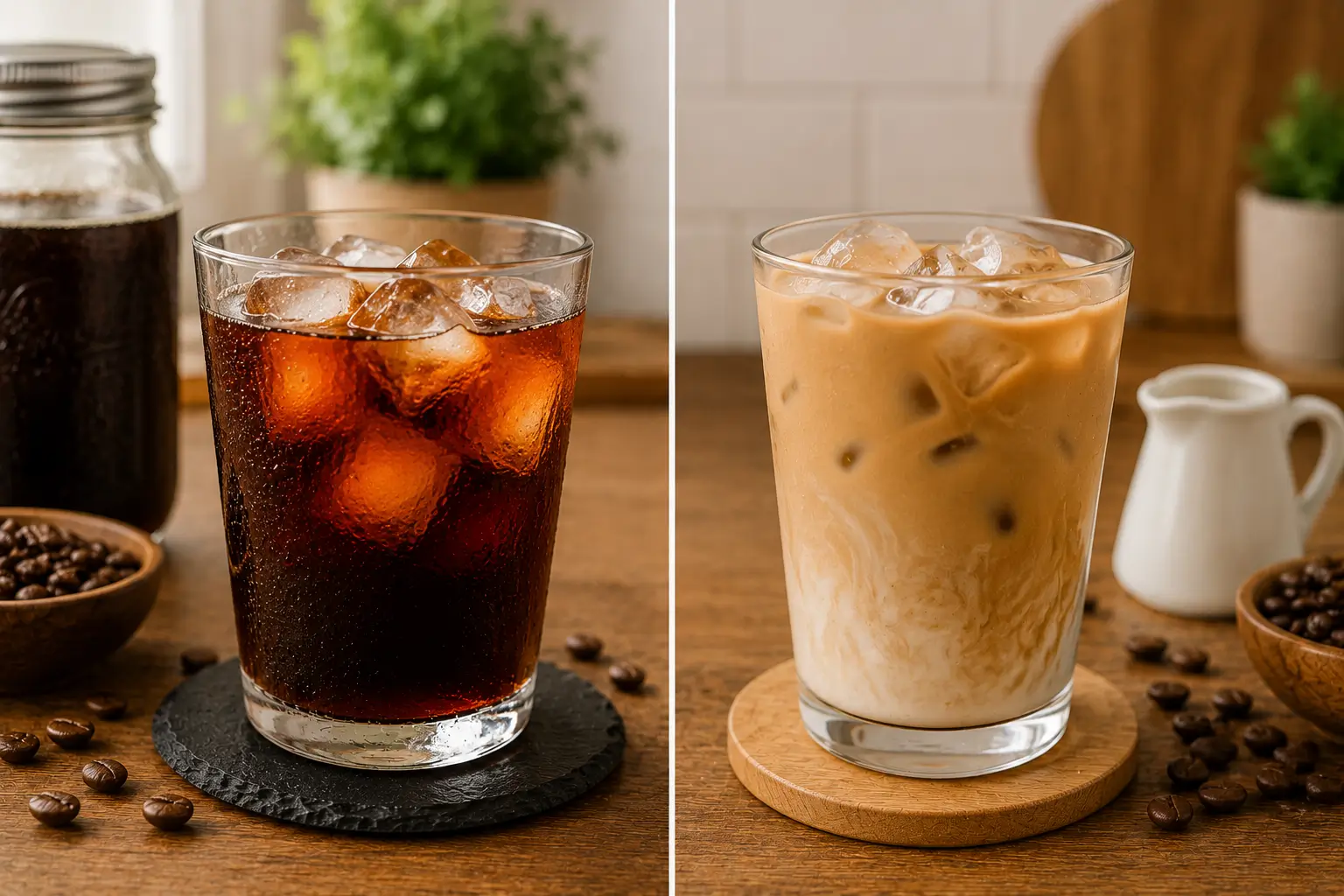
Many people confuse cold brew with iced coffee, but they are prepared differently.
| Feature | Cold Brew Coffee | Iced Coffee |
|---|---|---|
| Brewing Method | Cold Water Extraction | Hot Coffee Cooled Over Ice |
| Brewing Time | 12-24 Hours | Minutes |
| Acidity | Lower | Higher |
| Flavor | Smooth and Sweet | Brighter and More Traditional |
| Bitterness | Lower | Moderate |
| Concentrate Option | Yes | Usually No |
Which Is Better?
Neither method is universally better.
People who enjoy smooth and less acidic coffee often prefer cold brew.
Those who want traditional coffee flavor may prefer iced coffee.
How Long Does Cold Brew Last?
Proper storage helps preserve freshness.
Refrigerated Cold Brew
Cold brew usually stays fresh for:
7 to 10 days when refrigerated.
Up to two weeks for some concentrates.
Storage Tips
Use airtight containers.
Keep the coffee refrigerated.
Avoid direct sunlight.
Store concentrate separately from added milk.
Fresh cold brew generally provides the best flavor.
Common Cold Brew Mistakes
Even simple brewing methods can produce disappointing results if mistakes are made.
Using Fine Coffee Grounds
Fine grounds can create bitterness and excessive sediment.
Brewing for Too Long
Over-steeping may produce harsh flavors.
Using Low-Quality Water
Water quality directly affects coffee taste.
Incorrect Coffee-to-Water Ratios
Too much coffee can create excessive strength, while too little coffee may result in weak flavor.
Forgetting to Filter Properly
Poor filtration can leave unwanted particles in the final drink.
Can You Make Cold Brew With Coffee Pods?
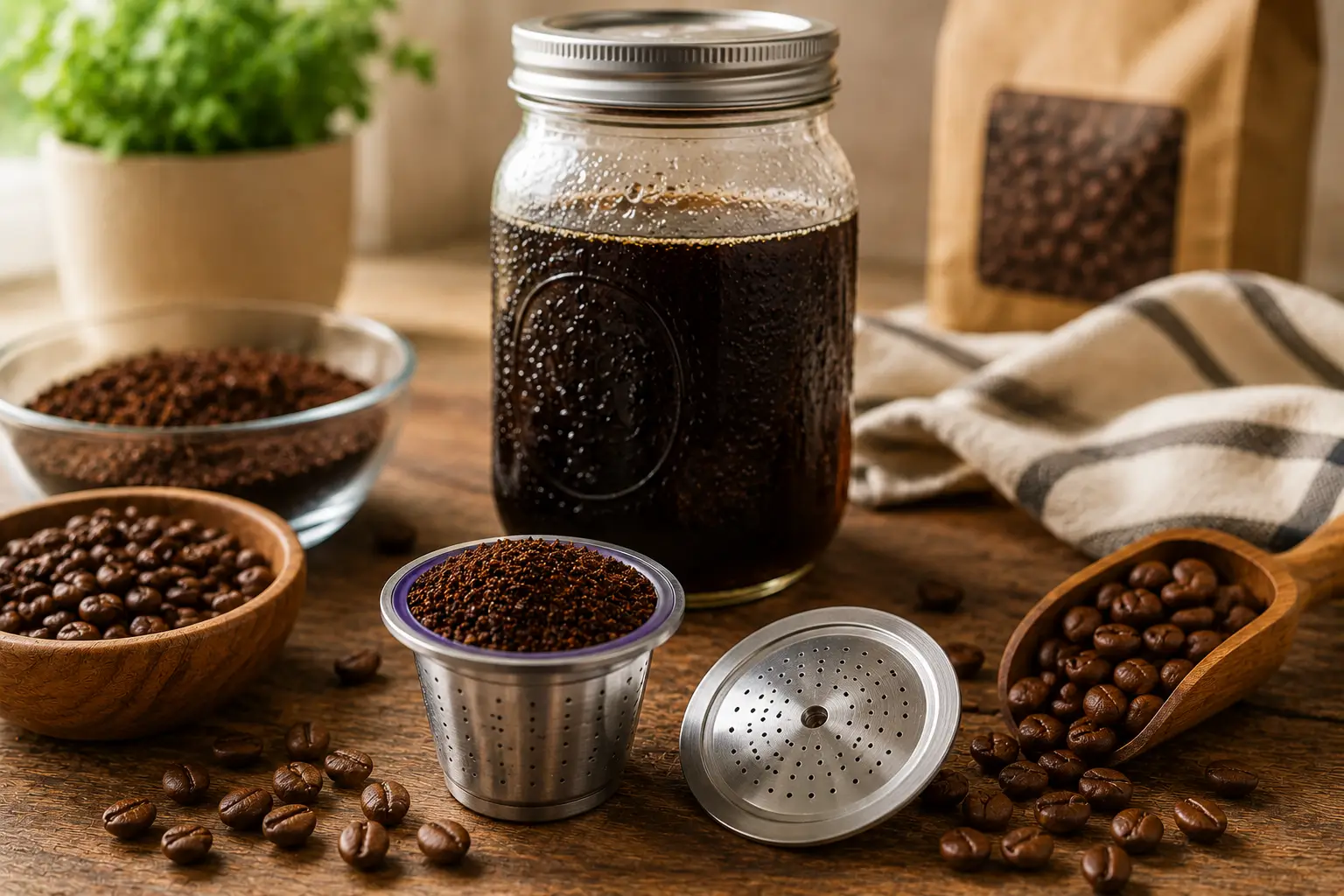
Yes, you can make cold brew with coffee pods, although the results may vary depending on the pod type.
Using Reusable Coffee Pods
Reusable pods allow you to add coarse coffee grounds, which makes them more suitable for cold brewing.
Using Single-Use Coffee Pods
Some users open single-use capsules and use the coffee grounds inside for cold brew. However, many pod coffees are ground more finely than traditional cold brew coffee.
Best Option
Freshly ground coarse coffee usually produces the best cold brew flavor and filtration results.
Frequently Asked Questions
The mason jar method is often the easiest because it requires very little equipment.
Most recipes recommend 12 to 24 hours depending on the desired strength.
A coarse grind is generally recommended because it helps prevent bitterness and simplifies filtering.
Medium and dark roasts are popular choices because they produce smooth and balanced flavors.
Cold brew concentrate can contain more caffeine. However, the final caffeine content depends on dilution and brewing ratios.
Yes, but coarse-ground coffee usually provides better results.
Many coffee drinkers perceive cold brew as smoother and less acidic than traditional hot coffee.
Yes. Cold brew concentrate can be mixed with hot water to create a warm beverage.
Conclusion
Cold brew coffee offers a smooth and refreshing alternative to traditional hot brewing methods.
Personally, I use the French press method most often because it combines simplicity with easy filtration. I have also used mason jars and dedicated cold brew makers depending on how much coffee I planned to prepare. From my experience, there is no single best cold brew method for everyone. The ideal choice depends on your budget, available equipment, and personal taste preferences.