
Can Coffee Pods Stain Your Teeth? Causes and Simple Prevention Tips
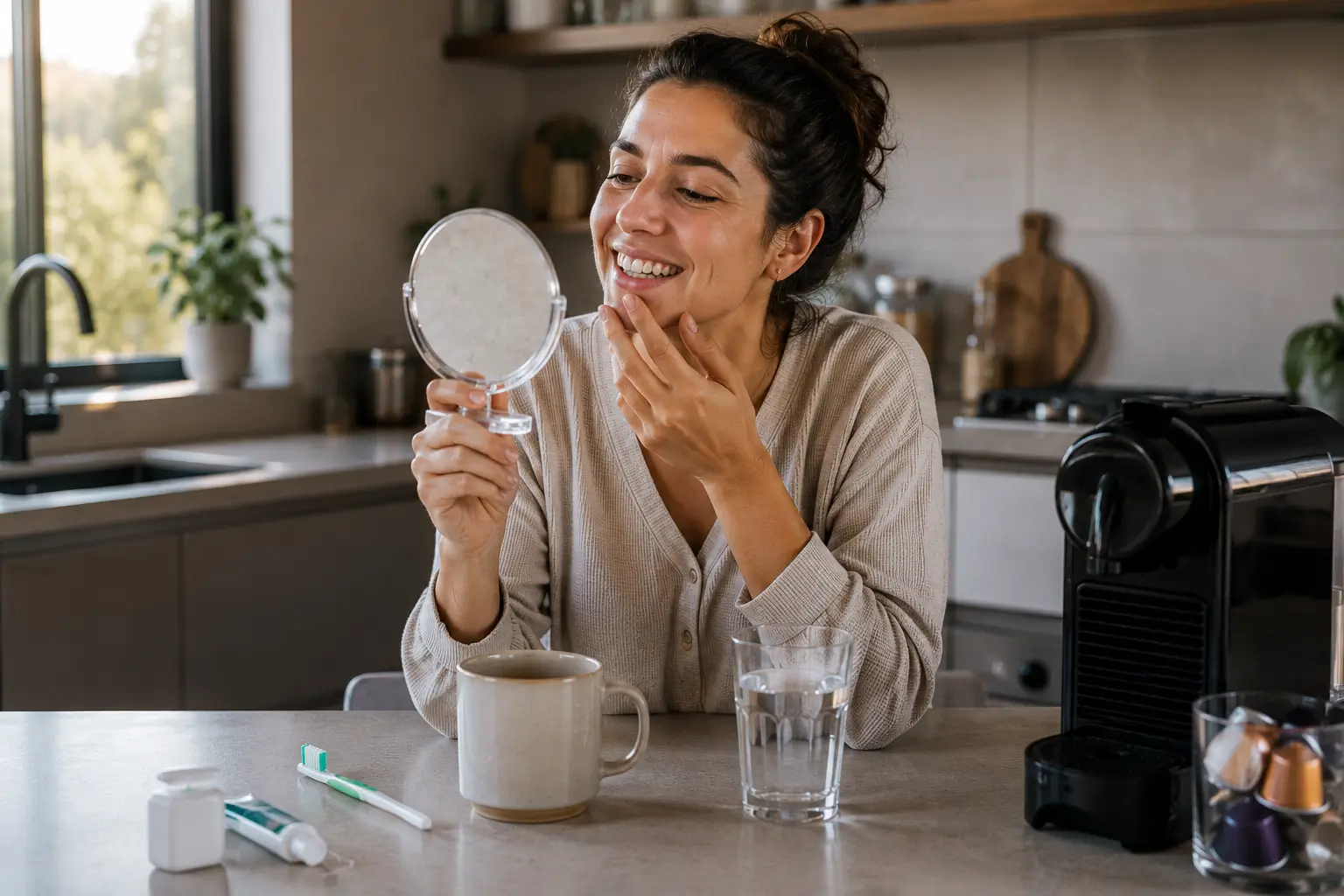
Yes, coffee made from pods can contribute to tooth staining over time. The pod itself is not the cause. The staining comes from the coffee that reaches your teeth.
Coffee contains dark pigments and plant compounds that can build up on tooth surfaces with repeated exposure. This is why regular coffee drinkers may gradually notice that their teeth look more yellow or less bright.
The amount of staining can also depend on how often you drink coffee, how long you sip it, your oral hygiene, smoking, plaque buildup, and other foods and drinks that can stain teeth.
This guide explains why coffee pods can stain teeth, whether pod coffee stains more than regular coffee, how coffee staining differs from enamel erosion, and practical ways to reduce stains without automatically giving up coffee.
Important Note
This guide provides general educational information about coffee and oral health. It does not replace professional dental advice.
If you have persistent discoloration, tooth pain, sensitivity, enamel wear, gum problems, or concerns about whitening, speak with a dentist.
Key Takeaways
Quick Answer
Yes. Coffee pods can stain teeth over time. The staining comes from the brewed coffee, not from the pod itself.
Repeated exposure to dark coffee can create surface discoloration, especially when coffee is consumed frequently or sipped over long periods.
Drinking water after coffee, brushing twice daily with fluoride toothpaste, cleaning between your teeth, and having regular dental care can help control surface staining.
Why Does Coffee Stain Teeth?
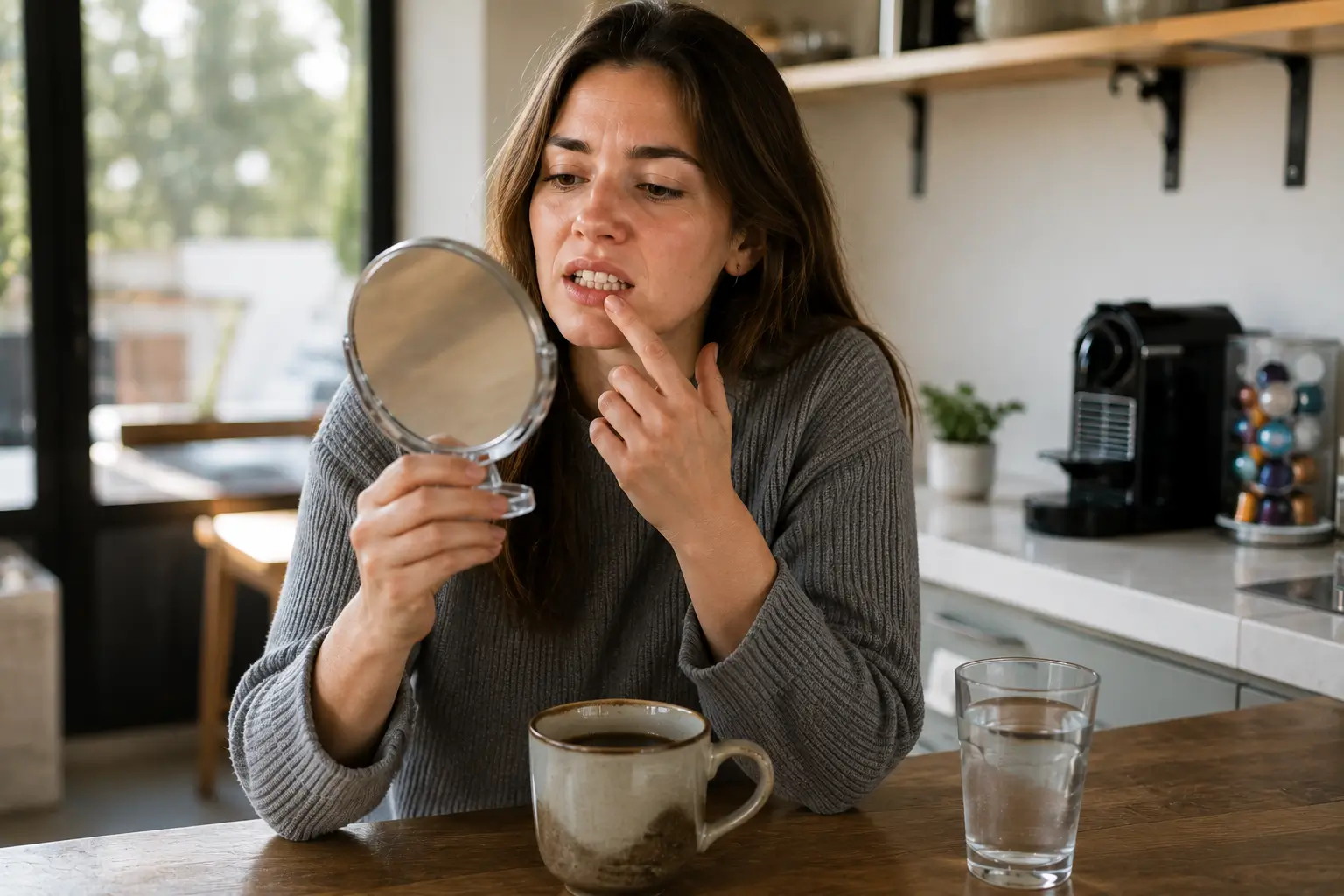
Coffee is a dark, pigmented drink. When you drink it, color-producing compounds come into contact with the outer surfaces of your teeth.
Coffee also contains plant compounds commonly described as tannins. These can contribute to the way dark pigments attach to tooth surfaces.
The result is usually gradual rather than immediate. One cup will not normally make your teeth suddenly turn yellow. Repeated exposure over months or years is more relevant.
Coffee staining is mainly an exposure issue: how often the coffee touches your teeth and how well surface deposits are removed.
Why Do Some People Stain More Easily?
Visible staining differs from person to person. Factors can include:
Coffee Staining vs Enamel Erosion
Tooth staining and enamel erosion are not the same problem.
Surface Staining
Changes the appearance of the tooth surface. Coffee, tea, red wine, and tobacco can contribute to discoloration.
Enamel Erosion
Means mineral is being lost from the tooth surface because of repeated acid exposure. Erosion is a dental-health issue, not simply a color change.
Coffee can be acidic, so enamel care still matters. However, a tooth looking darker after regular coffee does not automatically mean the enamel has been destroyed.
Why This Difference Matters
A surface stain may sometimes improve with professional cleaning or appropriate whitening. Lost enamel does not simply grow back. That is why stain removal and enamel protection should not be treated as the same thing.
Is the Coffee Pod Itself Causing the Stains?
No. The pod or capsule does not touch your teeth. It simply holds the coffee before brewing.
After brewing, your teeth are exposed to the drink itself. This applies to coffee made with:
The staining question is therefore mainly about coffee exposure, not whether the grounds were stored in a capsule.
Do Coffee Pods Stain More Than Regular Coffee?

There is no good reason to assume that pod coffee always stains teeth more than regular brewed coffee. Both contain naturally dark coffee compounds.
The more useful factors are:
| Drink | Can It Stain Teeth? | Main Consideration |
|---|---|---|
| Coffee pod | Yes | Frequency and contact time |
| Drip coffee | Yes | Frequency and contact time |
| Espresso | Yes | Concentrated drink but smaller serving |
| Iced coffee | Yes | Still contains staining coffee compounds |
| Black tea | Yes | Also contains staining plant compounds |
Does Drinking Coffee Every Day Increase Tooth Staining?
Repeated exposure can make visible surface stains more likely over time.
One coffee in the morning creates less total contact than repeatedly drinking coffee throughout the full day.
| Coffee Habit | Staining Consideration |
|---|---|
| Occasional coffee | Less repeated exposure |
| One daily cup | Regular exposure but limited contact time |
| Several cups each day | More repeated exposure |
| Sipping one cup for hours | Longer contact with tooth surfaces |
| Smoking plus regular coffee | Can increase visible discoloration |
Does Slowly Sipping Coffee Matter?
It can. Slowly sipping one drink over several hours keeps coffee in contact with your teeth for a longer period.
You do not need to rush your drink. The practical goal is simply to avoid continually bathing the teeth in coffee for much of the day.
If you drink coffee pods daily, see our Is It Safe to Drink Coffee Pods Every Day? guide for the broader daily-use topic.
Black Coffee vs Milk and Flavored Coffee
Black Coffee
Black coffee contains the natural pigments that can stain tooth surfaces.
Coffee With Milk
Milk makes coffee look lighter, but it does not completely remove the compounds responsible for coffee staining.
Adding milk should therefore not be treated as a complete stain-prevention method.
Sugar, Syrups and Sweetened Creamers
Sugar is a different oral-health issue. Mouth bacteria use sugars and produce acids that can contribute to tooth decay.
A sweetened specialty coffee can therefore present a different dental concern from plain black coffee, even though both may still stain.
For sugar and nutrition details, see our Coffee Pods Calories and Nutrition guide .
Do Dark Roast or Strong Coffee Pods Stain More?
A darker-looking drink may contain more visible pigment, but words such as strong, bold, or a high intensity number do not provide an exact measure of tooth-staining potential.
Intensity can describe roast character, body, bitterness, and flavor. It is not a dental stain score.
Your total exposure and oral hygiene are more useful practical factors.
For the difference between intensity and coffee strength, see our Coffee Pod Flavor Intensity guide .
Can Iced Coffee Stain Teeth? Does a Straw Help?
Yes, iced coffee can still stain teeth because cooling the drink does not remove its dark coffee pigments.
A straw may reduce some direct contact with the front teeth when drinking a cold beverage, especially when the straw is positioned past the front teeth.
However, a straw does not completely prevent coffee from contacting the mouth and teeth. It should be treated as an optional contact-reduction habit, not a complete solution.
Simple Ways to Help Reduce Coffee Stains

Water After Coffee
Rinsing with water after coffee is simple and may help wash away some remaining beverage. If you also want to understand whether coffee affects body hydration, read our Do Coffee Pods Dehydrate You? guide.
Should You Brush Immediately After Drinking Coffee?
Do not rush to scrub your teeth immediately after an acidic drink. The American Dental Association advises waiting about one hour after acidic foods or drinks before brushing, giving saliva time to help neutralize acids and re-harden the enamel surface.
After coffee, a simple routine is:
Updated Dental Guidance
The previous version of this article used a 30-minute waiting period. For this updated page, we use the ADA’s more cautious about one-hour guidance after acidic foods and drinks.
Professional Cleaning, Whitening Toothpaste and Whitening
Professional Dental Cleaning
Professional cleaning can remove some surface deposits and stains that normal home brushing may not fully remove.
A dentist can also determine whether discoloration is only a surface stain or has another cause.
Whitening Toothpaste
Some whitening toothpastes can help reduce surface staining, but they do not stop new stains from developing while coffee exposure continues.
If you have sensitivity, enamel wear, or other dental problems, ask your dentist which toothpaste is suitable.
Teeth Whitening
Whitening is different from routine cleaning. Professional or take-home whitening products can lighten natural tooth color, but whitening is not appropriate for everyone.
Whitening can also cause temporary sensitivity in some people. A dentist can check the cause of discoloration and recommend a suitable approach.
What About Crowns, Veneers, Fillings and Implants?
Dental restorations do not always respond to staining and whitening in the same way as natural teeth.
Whitening treatment lightens natural teeth, but existing crowns, dentures, and implants do not whiten in the same way. This can create a color mismatch.
If you have visible dental restorations, talk with your dentist before using a whitening treatment.
Coffee Staining: Myth vs Reality
| Common Claim | More Accurate View |
|---|---|
| The pod itself stains teeth. | The brewed coffee is responsible for staining. |
| One cup immediately turns teeth yellow. | Visible staining usually builds gradually with repeated exposure. |
| Milk completely prevents coffee stains. | Milk changes the drink’s color but does not remove all staining compounds. |
| Dark roast automatically stains much more. | Actual contact time and drinking frequency are more useful factors. |
| You should brush immediately after coffee. | For acidic drinks, allowing time before brushing helps protect softened enamel. |
| You must quit coffee to keep your teeth clean. | Oral hygiene and regular dental care can help manage surface staining. |
Coffee and Teeth Checklist
| Habit | My Routine |
|---|---|
| I rinse with water after coffee. | |
| I brush twice daily with fluoride toothpaste. | |
| I clean between my teeth every day. | |
| I avoid sipping one coffee for several hours. | |
| I do not brush immediately after acidic drinks. | |
| I limit frequent sugary coffee add-ins. | |
| I attend dental check-ups and cleanings as advised. | |
| I ask a dentist before using whitening products if I have dental problems or restorations. |
Related CoffeePodH Guides
Frequently Asked Questions
Not necessarily. Pod coffee and regular brewed coffee both contain dark compounds that can stain teeth. Frequency, contact time, and oral hygiene are generally more useful factors than the brewing format alone.
Many surface stains can improve with professional cleaning or appropriate whitening treatment. A dentist can determine whether discoloration is a surface stain or has another cause.
No. Milk changes the color and concentration of the drink, but coffee still contains compounds that can contribute to staining.
It is better not to rush to brush immediately after an acidic drink. ADA guidance recommends waiting about one hour after acidic foods and beverages before brushing. Rinsing with plain water first is a simple option.
Some whitening toothpastes can help remove surface stains, but they cannot permanently prevent new staining. Ask your dentist for advice if your teeth are sensitive or you have enamel concerns.
A straw may reduce some direct contact with the front teeth when drinking iced coffee, but it cannot completely prevent coffee from touching teeth.
Not necessarily. Many coffee drinkers can reduce visible staining by using good oral hygiene, rinsing with water, avoiding prolonged sipping, and having regular dental care.
Sources and Accuracy Note
Coffee is recognized as a beverage that can contribute to tooth staining. Dental guidance also emphasizes fluoride toothpaste, cleaning between teeth, regular dental care, and reducing repeated exposure to acidic or sugary drinks.
- American Dental Association MouthHealthy: Foods and Drinks That Affect Teeth
- American Dental Association MouthHealthy: Dietary Acids and Your Teeth
- NHS: Teeth Whitening
Dental disclaimer: This content provides general educational information. It does not diagnose the cause of tooth discoloration or replace advice from a dentist.
Final Thoughts
Coffee pods can contribute to tooth staining, but the pod itself is not responsible. The brewed coffee and repeated contact with tooth surfaces are what matter.
Surface staining also should not be confused with enamel erosion. A darker-looking tooth does not automatically mean the enamel has been permanently damaged.
Simple habits can help: rinse with water after coffee, brush twice daily with fluoride toothpaste, clean between your teeth, avoid sipping one cup for hours, and keep up with professional dental care.
If staining becomes difficult to remove, changes suddenly, or you are considering whitening, a dentist can check the cause and recommend an appropriate option.