

How to Make Lattes, Cappuccinos, and Iced Coffee at Home?

When I first started making coffee at home, I thought specialty drinks like lattes and cappuccinos could only be made in coffee shops. I usually ordered them from cafés because I assumed they required expensive equipment and professional skills. After experimenting with different brewing methods and milk frothing techniques, I realized that making specialty coffee at home is much easier than most people think.
Over the years, I have used espresso machines, French presses, milk frothers, and even coffee pod machines to prepare specialty drinks. Some methods produced better foam, while others saved time on busy mornings. Through experience, I learned that the right ingredients and simple techniques can help anyone create café-style drinks at home.
In this guide, you will learn how specialty brewing works, which equipment you need, how to choose coffee beans, and how to froth milk for popular drinks like lattes, cappuccinos, and iced coffee.
What Is Specialty Brewing?
Specialty brewing refers to the process of preparing coffee drinks beyond traditional black coffee.
These drinks often combine espresso or brewed coffee with milk, foam, ice, syrups, or other ingredients to create unique flavors and textures.
Popular specialty coffee drinks include:
Latte
Cappuccino
Iced coffee
Flat white
Mocha
Macchiato
Americano
Affogato
Many specialty drinks use espresso as the base. However, some recipes can also be made with coffee pod machines or regular brewed coffee.
Specialty brewing allows coffee lovers to customize:
Coffee strength
Milk quantity
Foam texture
Sweetness
Flavor combinations
This flexibility is one reason specialty coffee has become so popular around the world.
Essential Equipment for Specialty Coffee
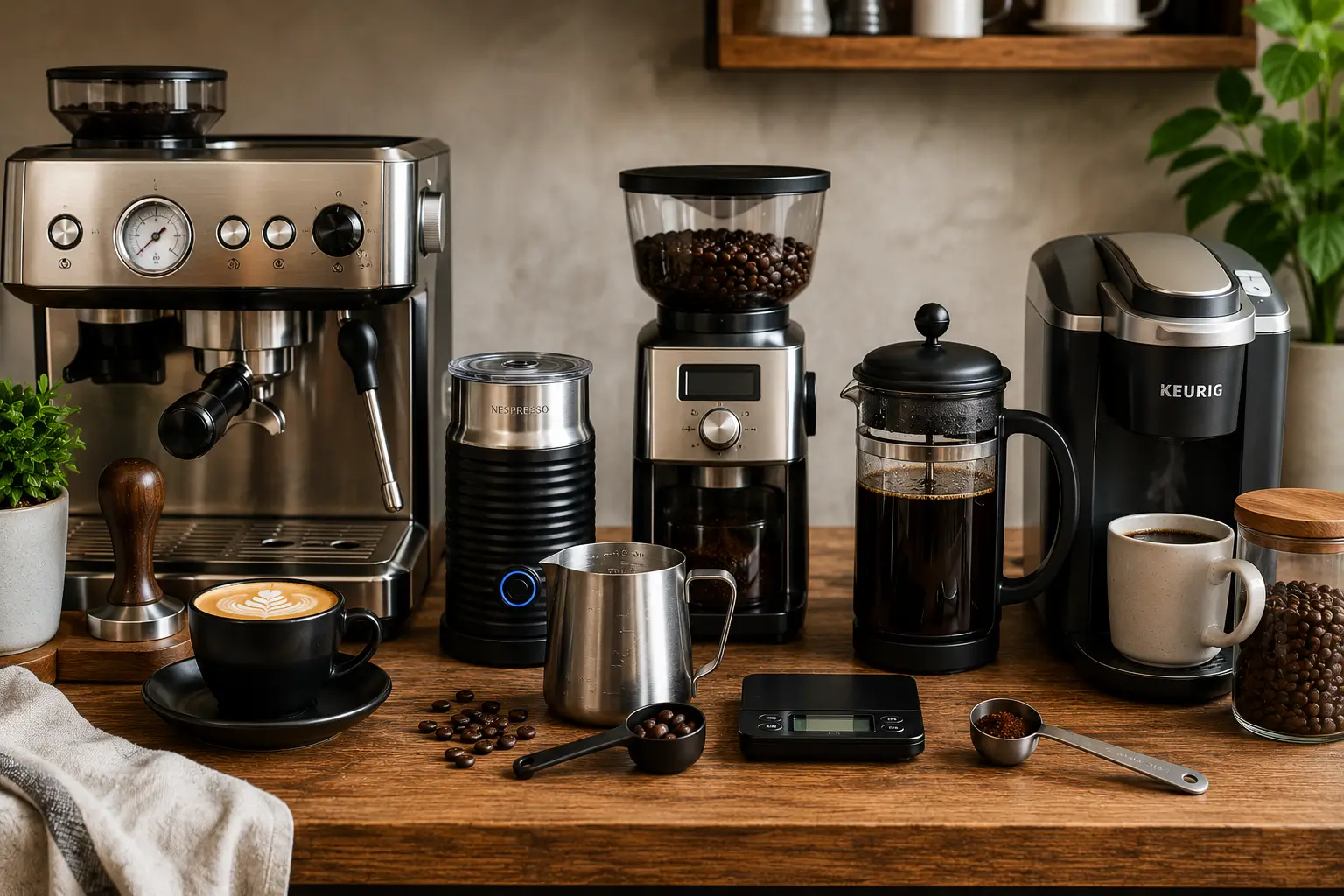
You do not need professional café equipment to make specialty coffee at home.
Several tools can help you create delicious coffee drinks.
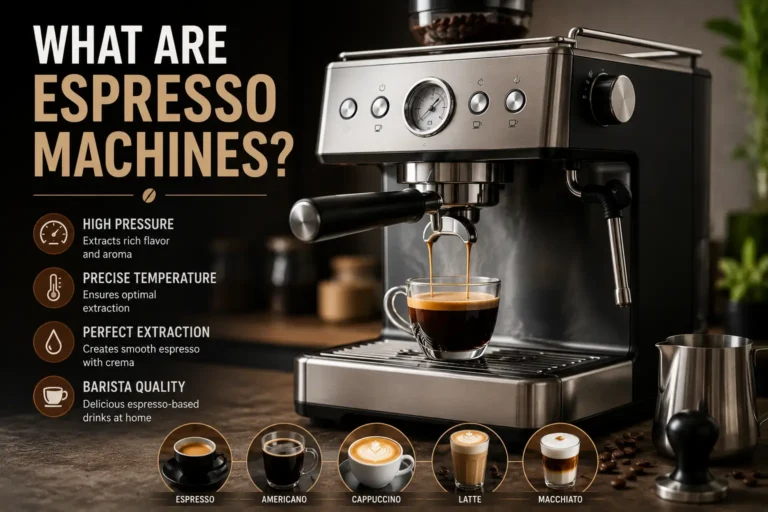
Espresso Machine
Espresso machines are commonly used for lattes, cappuccinos, and other espresso-based beverages.
Many models include steam wands for milk frothing.
Coffee Pod Machine
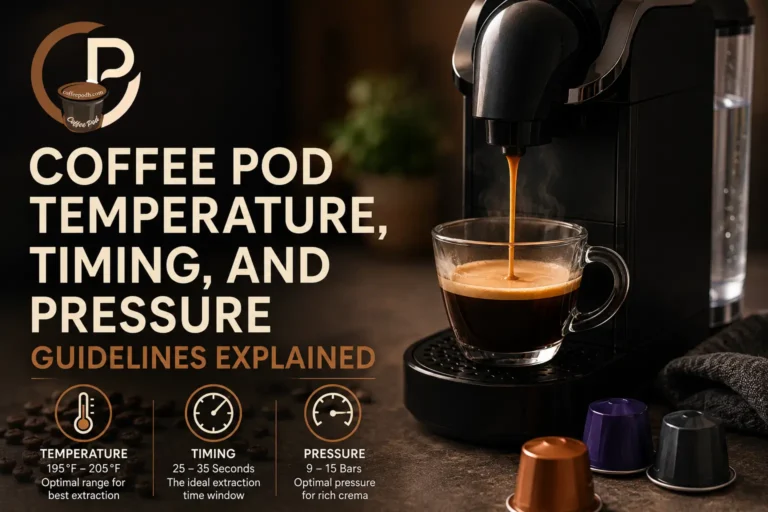
Single-serve machines like Nespresso and Keurig can simplify specialty brewing.
Many users pair pod machines with separate milk frothers.
French Press
A French press can brew coffee and even help create milk foam.
It is a budget-friendly option for beginners.
Milk Frother
Electric and handheld milk frothers make it easier to create creamy foam.
Coffee Grinder
Freshly ground coffee often produces better flavor and aroma.
Measuring Tools
Scales and measuring spoons help maintain consistent recipes.
You can start with basic equipment and upgrade later as your skills improve.
Best Coffee Beans for Specialty Drinks
Coffee beans play an important role in flavor and overall drink quality.
Different roast levels produce different results.
Medium Roast Coffee
Medium roasts provide balanced flavors with mild acidity.
They work well for most specialty coffee drinks.
Dark Roast Coffee
Dark roasts create bold flavors with chocolate and nutty notes.
Many espresso blends use darker roasts.
Espresso Roast Coffee
Espresso roasts are specifically designed to perform well under pressure and are popular for lattes and cappuccinos.
Single-Origin Coffee Beans
Single-origin coffees highlight unique flavors from specific growing regions.
These beans are often preferred by coffee enthusiasts.
Fresh Coffee Beans
Freshly roasted beans usually provide better aroma and taste than stale coffee.
Grinding beans shortly before brewing can improve flavor even more.
How to Froth Milk?
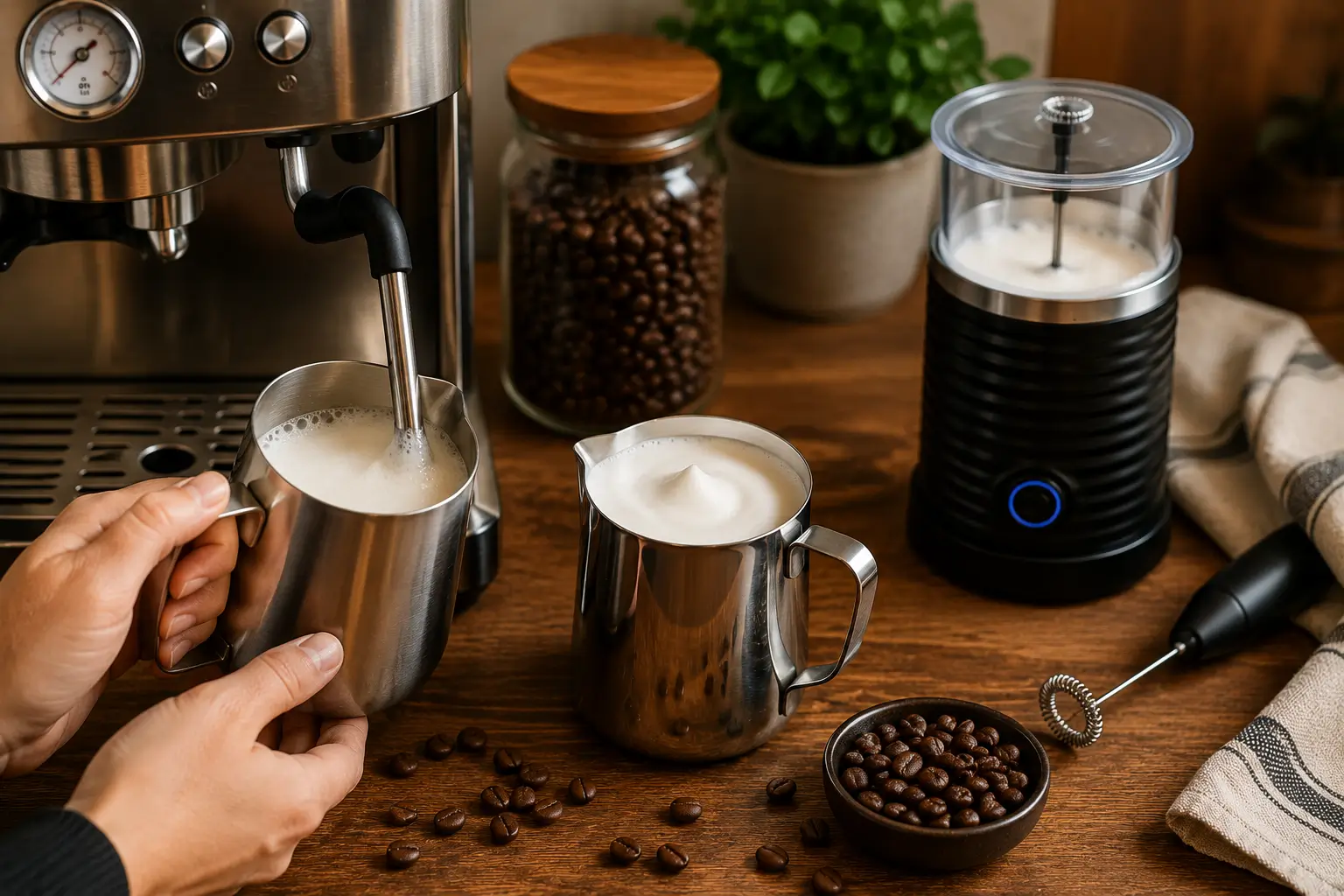
Milk frothing creates the creamy texture that many specialty coffee drinks are known for.
Different methods can produce different foam textures.
Steam Wand Method
Steam wands found on espresso machines create professional-quality microfoam.
This method is commonly used in coffee shops.
Electric Milk Frother
Electric frothers are convenient and beginner-friendly.
They can produce hot or cold foam with minimal effort.
Handheld Milk Frother
Handheld frothers are affordable and easy to use.
They work well for everyday home brewing.
French Press Method
A French press can also froth milk by pumping the plunger repeatedly.
This method is useful for people who do not own a milk frother.
Best Milk for Frothing
Several milk options can produce good foam:
Whole milk
Oat milk
Almond milk
Soy milk
Low-fat milk
Whole milk usually creates the richest and creamiest texture.
Key Takeaways
Specialty brewing includes drinks such as lattes, cappuccinos, and iced coffee.
Home equipment does not need to be expensive.
Medium and dark roasts work well for specialty drinks.
Fresh coffee beans improve flavor quality.
Several methods can be used to froth milk at home.
How to Make a Latte?
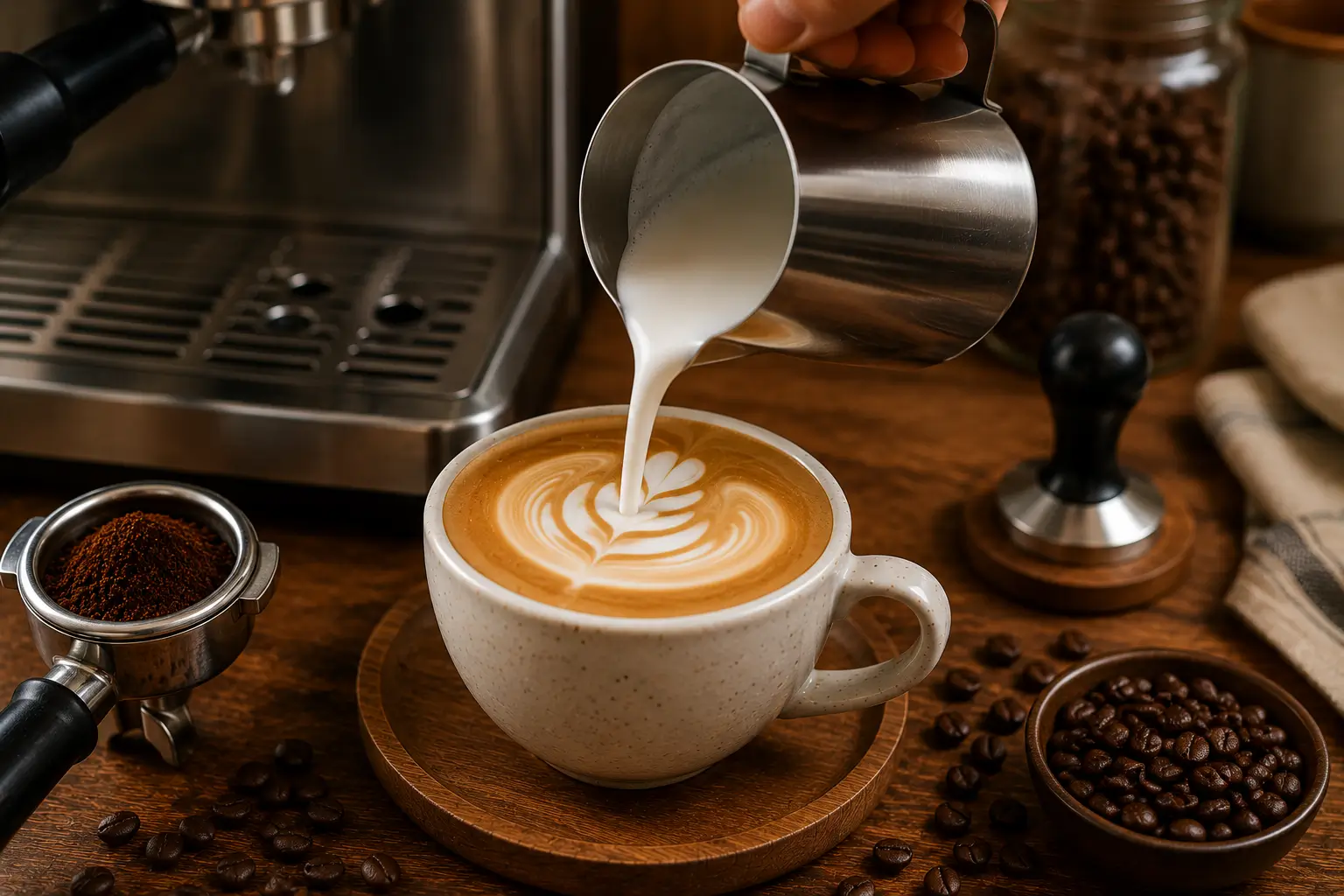
A latte is one of the most popular specialty coffee drinks. It combines espresso with steamed milk and a small layer of foam.
Because lattes contain more milk than cappuccinos, they usually have a smoother and creamier taste.
Ingredients for a Latte
1 or 2 shots of espresso
Steamed milk
A thin layer of milk foam
Steps to Make a Latte
Brew one or two shots of espresso.
Steam or froth the milk.
Pour the steamed milk slowly over the espresso.
Add a small amount of foam on top.
Serve immediately.
Can You Make a Latte With a Coffee Pod Machine?
Yes. Many Nespresso and Keurig users make lattes at home by combining coffee pods with a separate milk frother.
Popular Latte Variations
Vanilla Latte
Caramel Latte
Iced Latte
Mocha Latte
Oat Milk Latte
How to Make a Cappuccino?
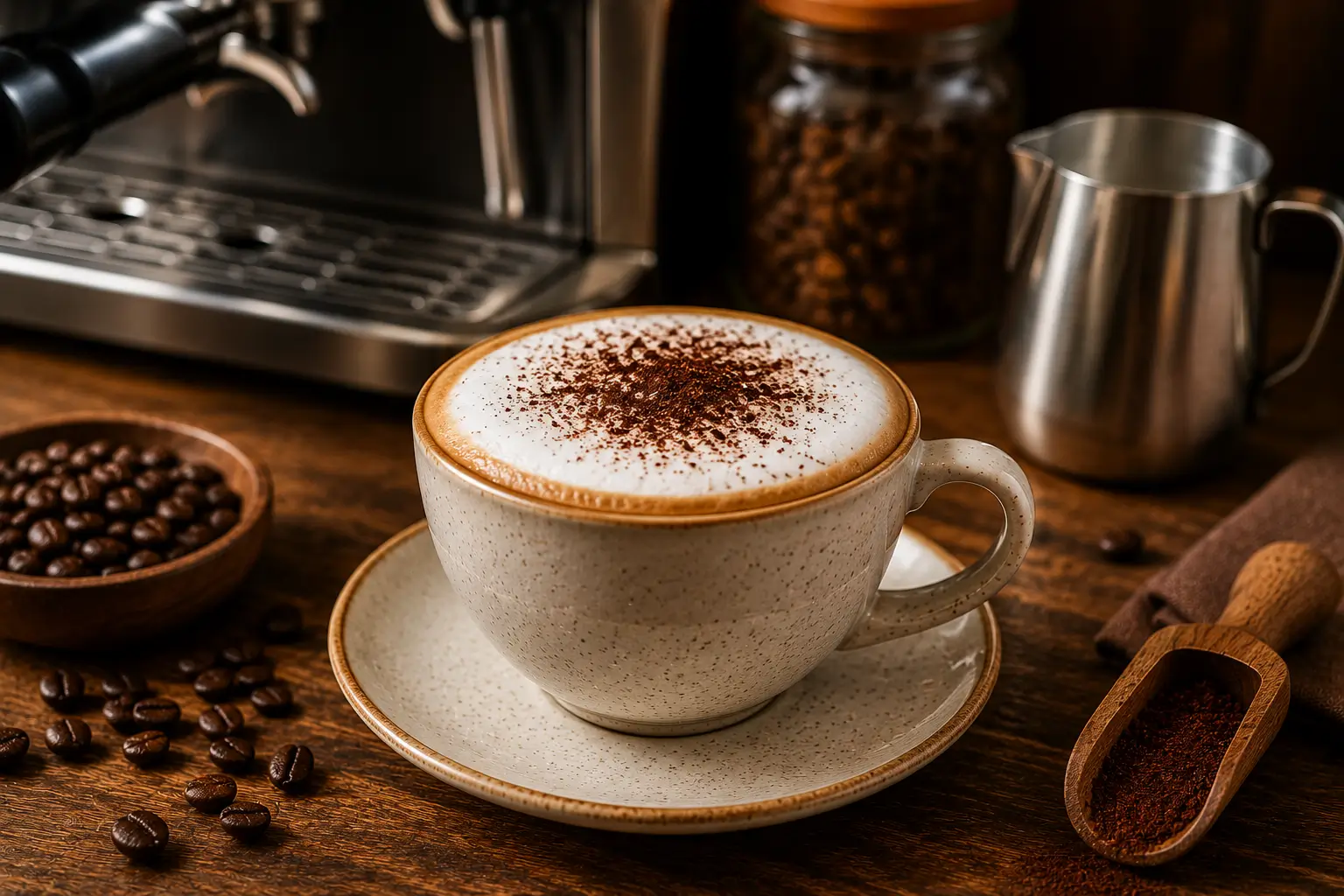
A cappuccino is another classic espresso-based drink. It contains equal parts espresso, steamed milk, and milk foam.
Compared with a latte, cappuccinos usually have a stronger coffee flavor because they contain less milk.
Ingredients for a Cappuccino
1 or 2 shots of espresso
Steamed milk
Thick milk foam
Steps to Make a Cappuccino
Brew espresso.
Froth milk until thick foam forms.
Pour equal amounts of steamed milk and foam over the espresso.
Serve immediately.
Traditional Cappuccino Ratio
Many baristas follow a simple ratio:
One-third espresso
One-third steamed milk
One-third milk foam
This balance creates the signature texture of a cappuccino.
Can You Make a Cappuccino With Coffee Pods?
Yes. Coffee pod machines combined with milk frothers make cappuccino preparation simple for beginners.
Latte vs Cappuccino Comparison Table
Although both drinks use espresso and milk, they differ in texture and taste.
| Feature | Latte | Cappuccino |
|---|---|---|
| Espresso Base | Yes | Yes |
| Milk Quantity | More Milk | Less Milk |
| Foam Layer | Thin | Thick |
| Flavor | Creamy and Mild | Stronger Coffee Taste |
| Texture | Smooth | Frothy |
| Popular Among Beginners | Yes | Yes |
| Traditional Ratio | More Milk Than Foam | Equal Parts Espresso, Milk, and Foam |
Which One Should You Choose?
Choose a latte if you prefer:
Creamier drinks
More milk
Milder coffee flavor
Choose a cappuccino if you prefer:
Stronger coffee taste
More foam
Traditional espresso drinks
Best Milk for Specialty Coffee
Milk affects texture, flavor, and foam quality.
Different milk options create different results.
Whole Milk
Whole milk is one of the most popular choices for specialty coffee.
Benefits include:
Rich texture
Stable foam
Creamy flavor
Low-Fat Milk
Low-fat milk can create large amounts of foam but may produce a lighter texture.
Oat Milk
Oat milk has become one of the most popular dairy-free options.
It provides:
Smooth texture
Mild sweetness
Good foam quality
Almond Milk
Almond milk creates a lighter drink with a nutty flavor.
Foaming quality varies between brands.
Soy Milk
Soy milk is another common dairy-free option and often produces stable foam.
Which Milk Is Best?
There is no single answer.
Whole milk is often preferred for traditional lattes and cappuccinos because it creates rich microfoam.
Oat milk is one of the best plant-based alternatives for specialty coffee.
How to Make Iced Coffee?
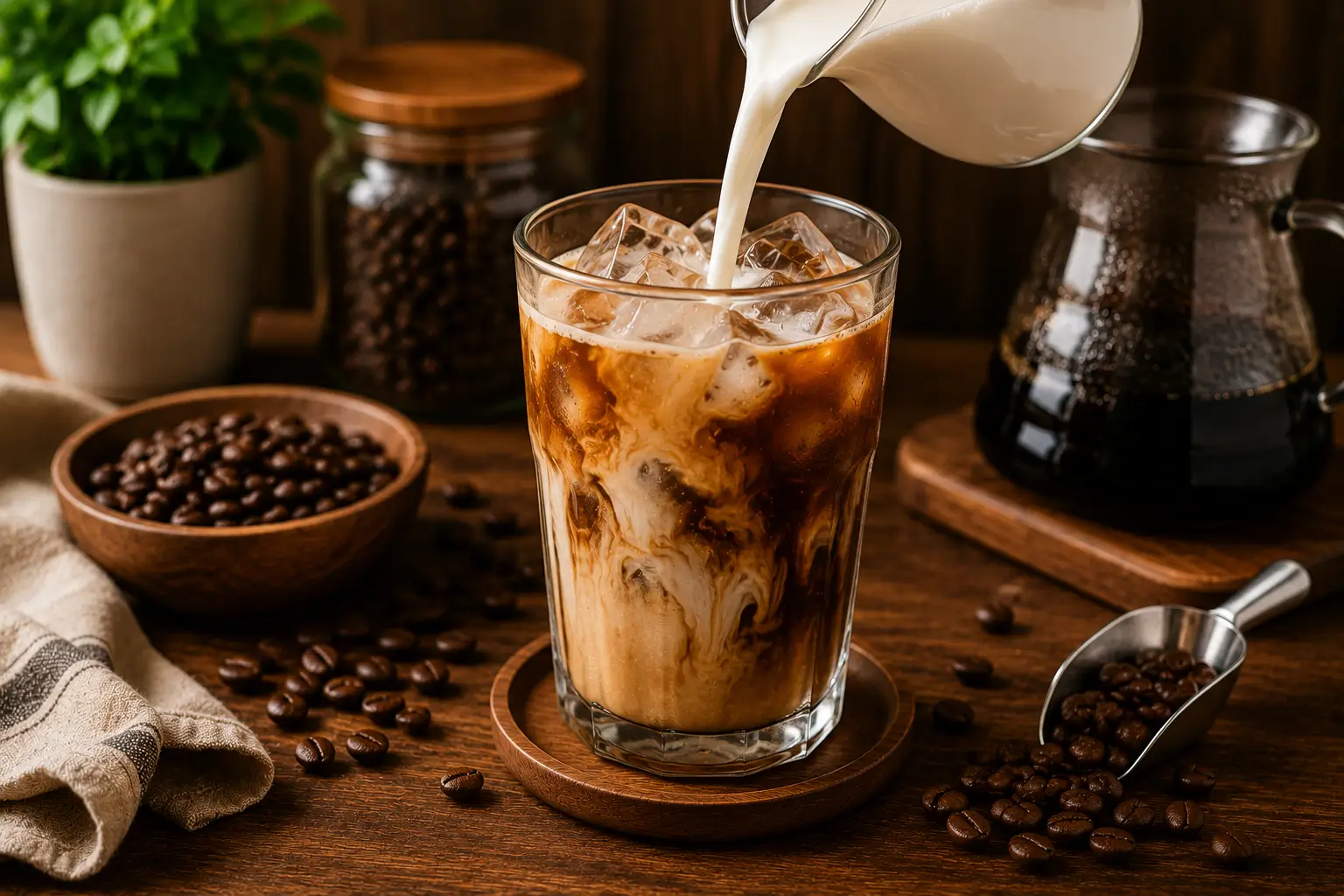
Iced coffee is one of the easiest specialty coffee drinks to prepare at home. It is refreshing, simple, and highly customizable.
Unlike cold brew, iced coffee is made by brewing hot coffee and then cooling it with ice.
Ingredients for Iced Coffee
Freshly brewed coffee or espresso
Ice cubes
Milk or cream (optional)
Sweetener or flavored syrup (optional)
Steps to Make Iced Coffee
Brew your coffee or espresso.
Allow it to cool slightly.
Fill a glass with ice.
Pour the coffee over the ice.
Add milk, cream, or syrup if desired.
Stir and serve.
Can You Make Iced Coffee With Coffee Pods?
Yes. Coffee pod machines make iced coffee preparation very simple.
Many people use:
Nespresso pods
Keurig K-Cups
Reusable coffee pods
Brew the coffee directly into a cup and pour it over ice.
Iced Coffee vs Cold Brew

Although these drinks look similar, they are prepared differently.
| Feature | Iced Coffee | Cold Brew |
|---|---|---|
| Brewing Method | Hot Coffee Over Ice | Cold Water Extraction |
| Brewing Time | Minutes | 12-24 Hours |
| Acidity | Higher | Lower |
| Flavor | Traditional Coffee Taste | Smooth and Mild |
| Bitterness | Moderate | Lower |
| Preparation Speed | Fast | Slow |
Which One Is Better?
People who want quick preparation often prefer iced coffee.
Those who enjoy smoother and less acidic coffee usually prefer cold brew.
Specialty Coffee With Pod Machines
Modern coffee pod machines can do much more than prepare black coffee.
Many users create specialty drinks using:
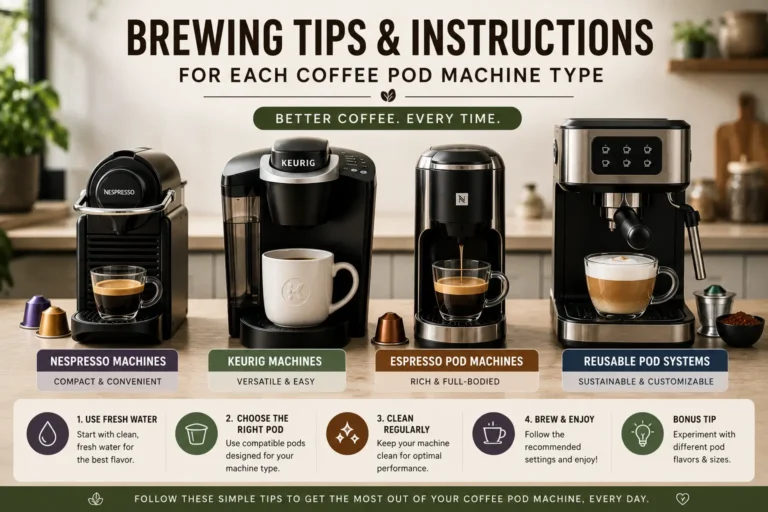
Nespresso Machines
Nespresso systems are popular for espresso-based drinks such as:
Latte
Cappuccino
Macchiato
Flat White
Keurig Machines
Keurig machines are commonly used for:
Iced coffee
Mocha drinks
Flavored coffee beverages
Milk-based coffee recipes
Reusable Coffee Pods
Reusable pods provide additional flexibility because users can choose their own coffee beans and roast levels.
Milk Frothers Improve Results
Many specialty coffee recipes become easier when paired with:
Electric milk frothers
Handheld frothers
Steam wands
This combination allows coffee pod users to enjoy café-style drinks at home.
Other Popular Specialty Coffee Drinks
Specialty brewing includes more than just lattes and cappuccinos.
Flat White
A flat white contains espresso and steamed milk with very little foam.
It usually has a stronger coffee flavor than a latte.
Mocha
A mocha combines:
Espresso
Steamed milk
Chocolate
Many people consider mocha a dessert-style coffee drink.
Americano
An Americano is made by adding hot water to espresso.
This creates a smoother drink with a flavor similar to traditional coffee.
Macchiato
A macchiato contains espresso topped with a small amount of milk foam.
It offers a stronger coffee taste compared with milk-heavy drinks.
Affogato
An affogato combines hot espresso with vanilla ice cream.
It is often served as both a dessert and a coffee beverage.
Common Specialty Brewing Mistakes
Even simple coffee recipes can produce disappointing results if common mistakes are made.
Using Stale Coffee Beans
Old coffee beans lose aroma and flavor over time.
Freshly roasted beans usually produce better results.
Overheating Milk
Milk that becomes too hot may develop a burnt taste and poor foam texture.
Using the Wrong Milk
Some milk alternatives do not foam as easily as whole milk or barista-style oat milk.
Incorrect Coffee-to-Milk Ratios
Adding too much milk can weaken flavor, while too little milk can make drinks overly strong.
Poor Espresso Extraction
Under-extracted espresso may taste sour, while over-extracted espresso can taste bitter.
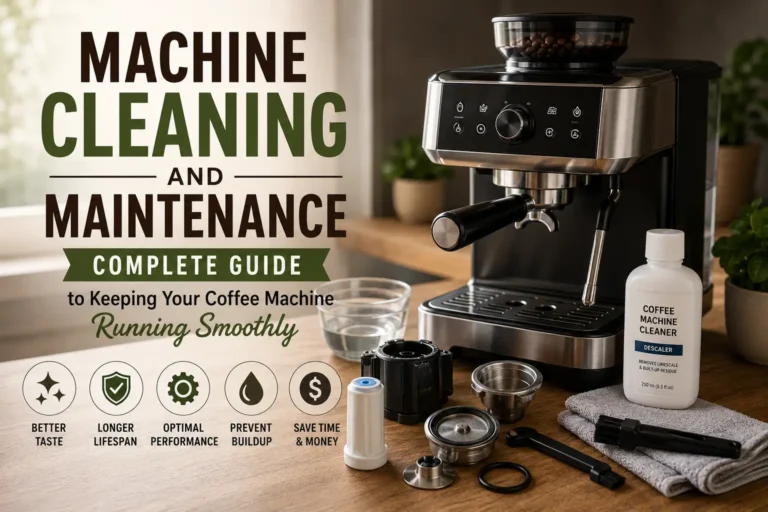
Ignoring Equipment Cleaning
Milk residue and old coffee oils can affect flavor and machine performance.
Regular cleaning helps maintain consistent results.
Frequently Asked Questions
Specialty brewing refers to preparing coffee drinks such as lattes, cappuccinos, iced coffee, and other espresso-based beverages.
Choose medium-to-dark roast pods with enough strength to stay flavorful after adding ice. Stronger pods usually work better because melting ice can make coffee taste weaker.
Yes. French presses, coffee pod machines, and milk frothers can help create many specialty drinks at home.
Medium and dark roasts are popular because they provide balanced flavor and pair well with milk.
Yes. Many Nespresso users prepare lattes, cappuccinos, and iced coffee with the help of milk frothers.
Yes. Keurig users can create iced coffee, mochas, and milk-based beverages.
Whole milk usually creates rich microfoam, while oat milk is one of the most popular dairy-free alternatives.
A latte contains more milk and less foam. A cappuccino contains equal parts espresso, steamed milk, and foam.
No. Iced coffee is brewed hot and served over ice, while cold brew uses cold water extraction.
Conclusion
Specialty brewing allows coffee lovers to create café-style drinks without leaving home.
When I first started making specialty coffee at home, I believed café-style drinks required expensive equipment and professional training. After experimenting with different brewing methods, milk frothers, and coffee pod machines, I realized that great coffee is more about technique than complicated equipment.
Over the years, I have prepared lattes, cappuccinos, and iced coffee using both traditional espresso machines and single-serve coffee makers. Some methods produced richer foam, while others offered more convenience. Through experience, I learned that even simple equipment can create impressive results when paired with fresh coffee and the right ingredients.
Today, I enjoy making specialty coffee at home because it allows me to customize flavors, control ingredients, and experiment with new recipes.