
What Are Espresso Machines? Complete Beginner’s Guide
Many people dream about making café-style coffee at home, but espresso machines can feel confusing for beginners. Terms like portafilter, pressure brewing, steam wand, and espresso extraction often make the process look difficult.
I had the same experience when I first started ↗ learning about an espresso machine. Some machines made weak espresso, while others created rich coffee with thick crema, but only after using the correct grind size, tamping pressure, and brewing settings.
After testing different machines and brewing methods over time, I realized that espresso machines are not only for professional baristas. Modern home espresso now makes it much easier for beginners to prepare espresso, cappuccinos, and lattes with better flavor and more brewing control than standard coffee makers.
In this guide, you will learn what they are, how they work, the different types available, and whether they are worth buying for home coffee brewing.
Key Takeaways
What Are Espresso Machines?
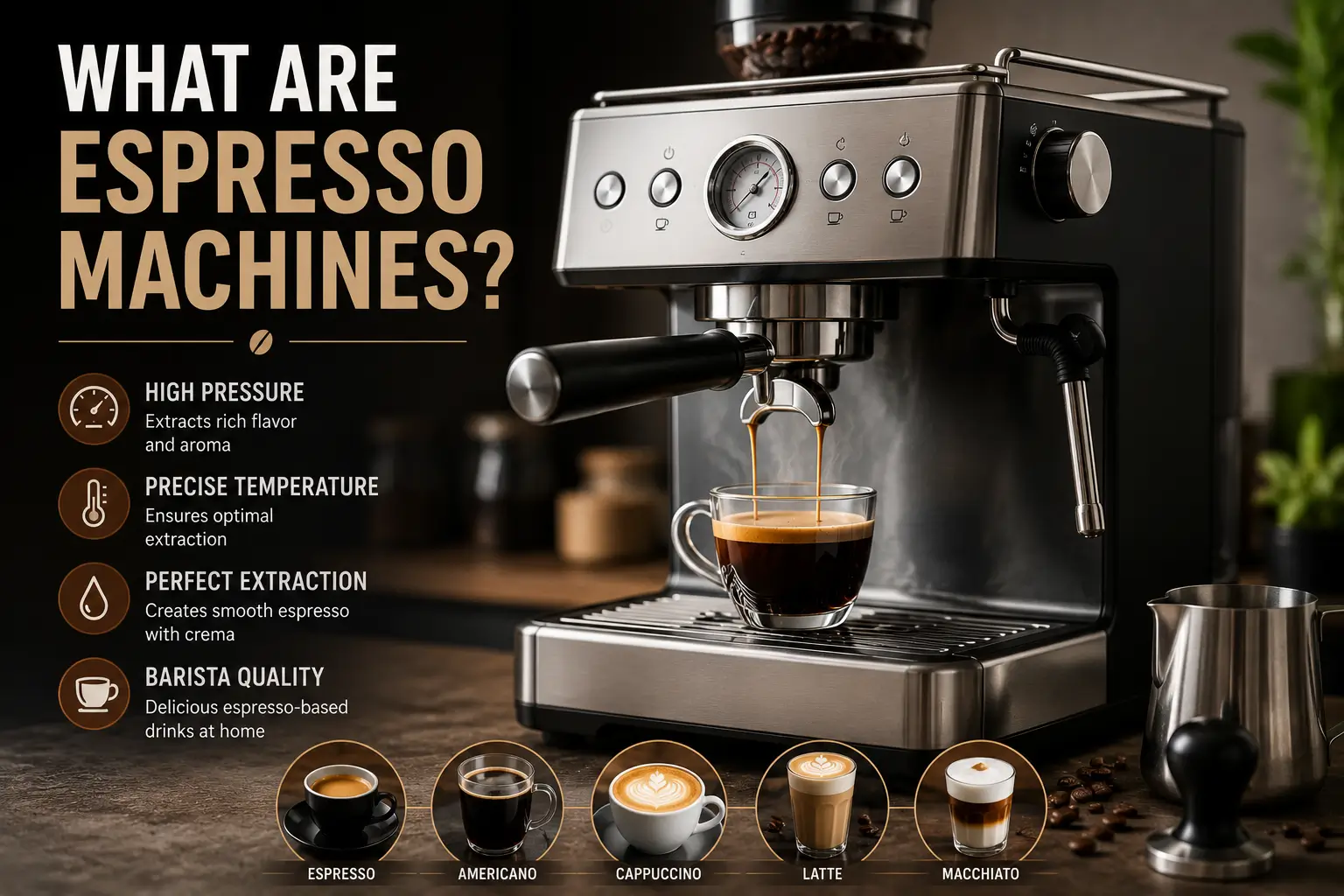
These machines are coffee brewing devices that use pressure to force hot water through finely ground coffee beans. This process creates concentrated coffee called espresso.
Unlike regular drip coffee makers,these machines use pressure brewing to extract:
This extraction process creates:
Many home users buy espresso machine to prepare:
How Does an Espresso Machine Work?
These machines use brewing pressure and hot water extraction to create espresso.
Here is the basic process:
Coffee beans are ground finely
Coffee grounds are placed into the portafilter
The coffee is tamped evenly
Hot water is pushed through the coffee puck
Espresso flows into the cup
Crema forms on top
Most espresso brews at around 9 bars of extraction pressure. This pressure helps create concentrated espresso with a rich flavor and aroma.
The combination of:
All affect espresso quality.
Main Parts of an Espresso Machine
Understanding espresso machine parts helps beginners learn the brewing process more easily.
| Part | Purpose |
|---|---|
| Portafilter | Holds the coffee grounds |
| Group Head | Releases hot water into coffee |
| Steam Wand | Froths milk for lattes and cappuccinos |
| Boiler | Heats water |
| Pump | Creates brewing pressure |
| Drip Tray | Collects excess water |
| Water Reservoir | Stores brewing water |
Traditional espresso machines usually offer more control over grind size, extraction time, and brew temperature. However, others are much easier for beginners to use.
Types
There are several types of espresso machine available today.
Manual Espresso
Manual machines require full control over brewing.
Users handle:
Semi-Automatic Espresso Machine
Semi-automatic machines automate water pressure but still require manual grinding and tamping.
These machines offer:
Automatic Espresso
Automatic machines simplify brewing by controlling extraction timing automatically.
These systems are more beginner-friendly and easier to use daily.
Super-Automatic Machines
Super-automatic machines handle almost everything automatically.
They can:
These machines are popular among users who want convenience and café-style drinks with minimal effort.
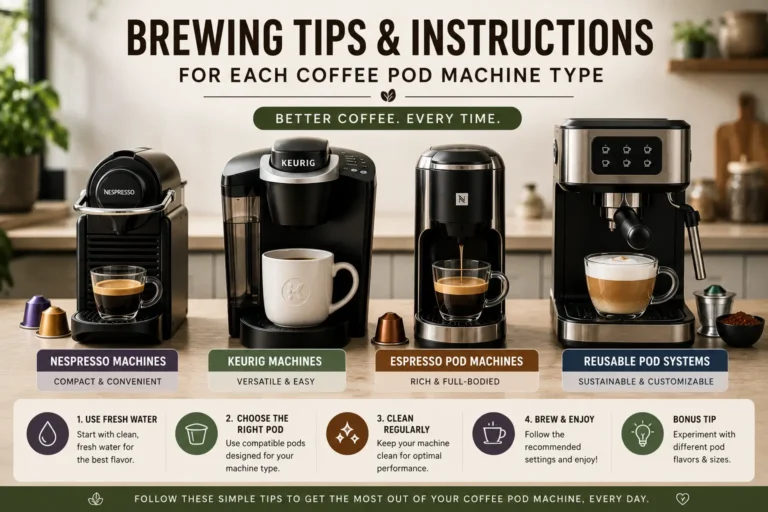
Pod Espresso Machine
These use coffee capsules instead of loose coffee grounds.
Brands like Nespresso offer pod systems designed for fast and easy espresso brewing.
Espresso Machine vs Coffee Makers
Many beginners compare this with traditional coffee makers.
| Feature | Espresso Machines | Coffee Makers |
|---|---|---|
| Brewing Method | Pressure brewing | Drip brewing |
| Coffee Strength | Strong | Mild |
| Crema | Yes | No |
| Brew Time | Faster | Slower |
| Flavor Intensity | Rich and concentrated | Smoother and lighter |
Why Are Espresso Expensive?
Because they use advanced brewing systems and precision parts.
Higher-end machines often include:
These features help improve espresso extraction and milk frothing quality.
Are Espresso Machines Worth It?
These machines are worth it for many coffee drinkers, especially people who enjoy espresso-based drinks regularly.
Benefits
Downsides
Beginners may need practice to improve espresso extraction.
Espresso machines require regular maintenance.
Quality machines can be expensive initially.
Poor grind consistency can affect espresso flavor.
Who Should Use Espresso Machines?
Espresso machines are a good choice for:
They work especially well for people who want:
Who May Not Like Espresso Machines?
Espresso machines may not be ideal for everyone.
Some users prefer simpler brewing methods because espresso machines require:
People who only drink large regular coffee cups may prefer standard coffee makers instead.
Common Beginner Espresso Mistakes
Many beginners struggle with espresso at first.
Using the Wrong Grind Size
Uneven Tamping
Old Coffee Beans
Poor Cleaning Habits
Expert Tip:
Cleaning the steam wand after every use helps improve milk frothing performance and prevents residue buildup.
How to Clean an Espresso Machine?
Regular cleaning helps maintain:
Basic cleaning includes:
Mineral buildup inside the boiler system can reduce brewing performance over time.
Best Features Beginners Should Look For
Beginners should focus on machines with:
Many beginner users also prefer:
Espresso Machine Myths vs Facts
| Myth | Fact |
|---|---|
| Espresso machines are only for professionals | Many beginner-friendly machines exist |
| Expensive machines always make better coffee | Technique and grind size matter greatly |
| Espresso contains the most caffeine | Brew size affects total caffeine |
| Espresso machines are impossible to clean | Regular maintenance is manageable |
Espresso Machine Buying Checklist
Before buying an espresso machine, check:
Expert Tip:
Consistent grind size is one of the most important factors for making balanced espresso at home.

Conclusion
In short, after using different espresso machines over time, it becomes clear that they offer much more control and coffee quality than standard coffee makers. In my experience, the biggest improvements usually come from using fresh coffee beans, proper grind size, and consistent cleaning habits rather than simply buying the most expensive machine. While espresso machines require more practice and maintenance than pod systems or drip brewers, they also create richer espresso, better milk frothing, and more café-style drink options at home.