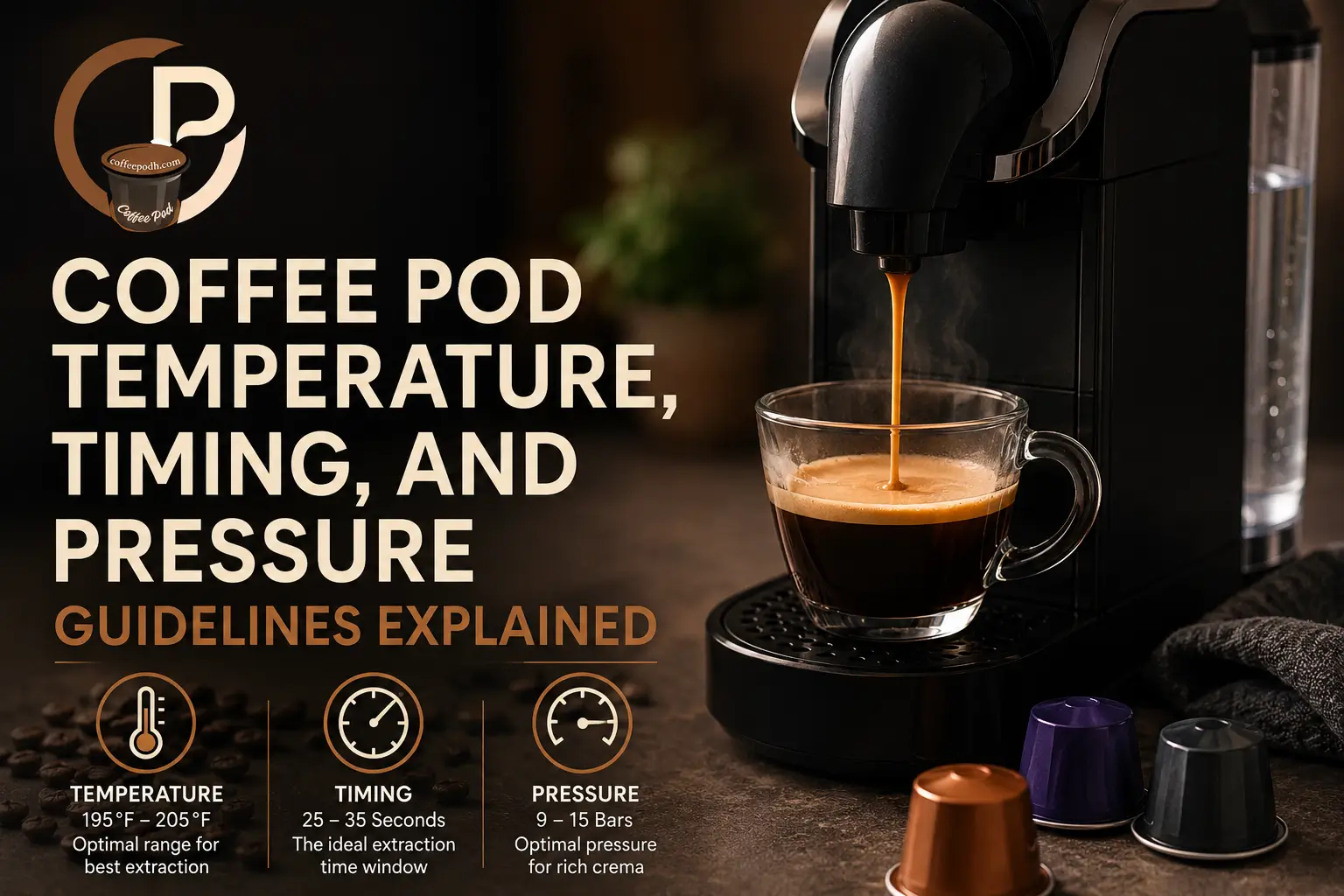

Coffee Pod Temperature, Timing, and Pressure Guidelines Explained
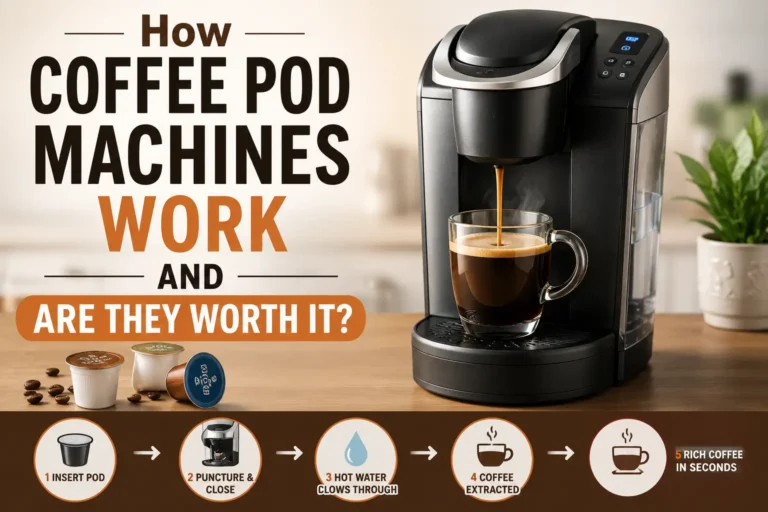
Coffee pod machines are designed to make brewing simple, but many people do not realize ↗ that temperature, extraction time, and pressure all affect the final taste of the coffee. If any of these factors are out of balance, your coffee may taste weak, bitter, sour, or flat.
I noticed this while using different pod systems over the years. Some machines produced richer espresso, while others made smoother and lighter coffee. I learned that the pressure number printed on the box was not the only factor that mattered. Water temperature, brewing time, and capsule quality often had a bigger impact on flavor.
Key Takeaways
- Most coffee pod machines brew within the ideal temperature range of 190°F to 205°F.
- Brewing time affects flavor extraction and coffee strength.
- Higher pressure does not always produce better coffee.
- Different pod systems use different brewing technologies.
- Balanced temperature and extraction create the best-tasting coffee.
Why Temperature, Timing, and Pressure Matter?
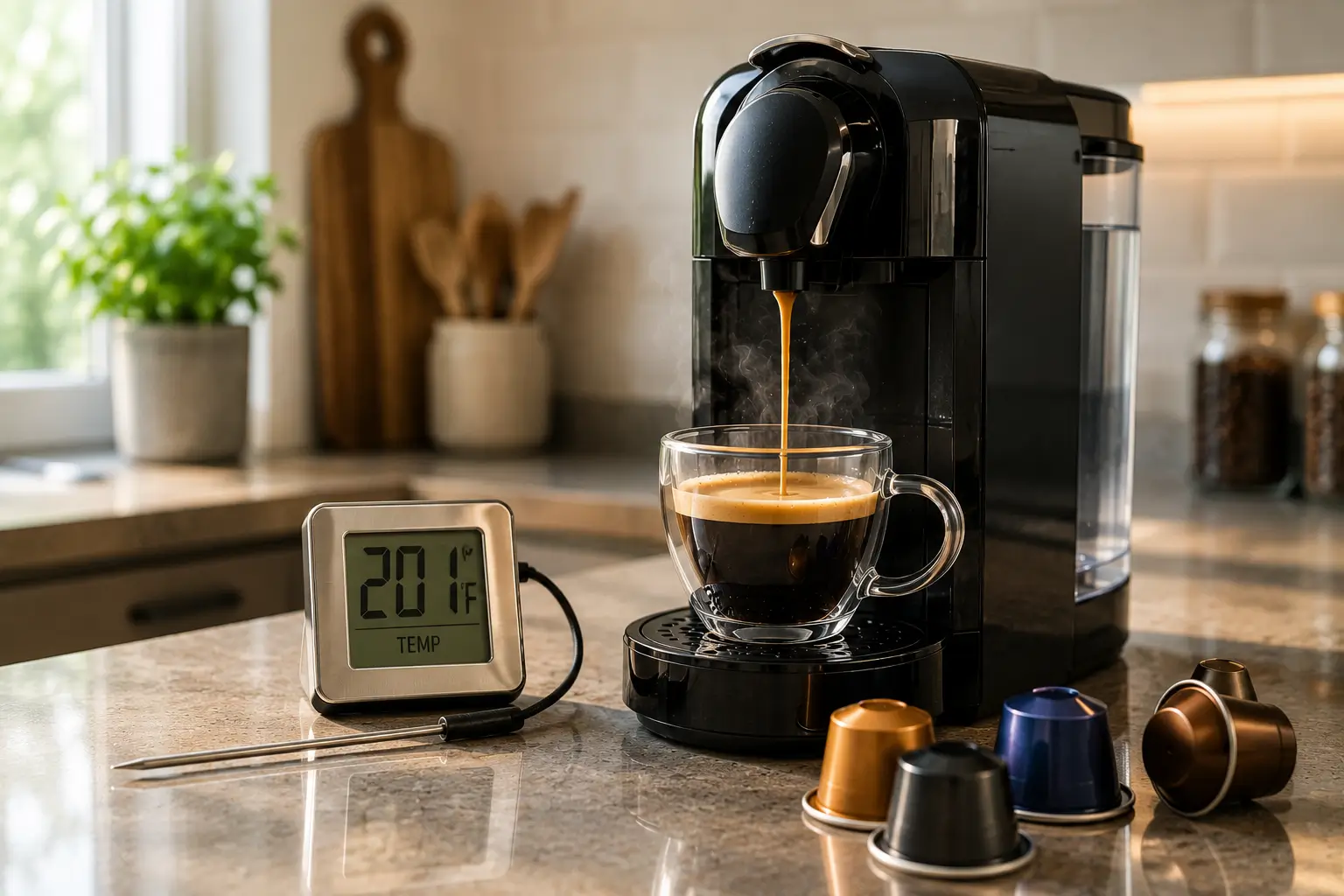
Coffee brewing is a process of extracting flavors from roasted coffee grounds ↗. To produce a balanced cup, water must pass through the coffee at the proper temperature and speed.
Three factors work together during brewing:
Water temperature
Extraction time
Brewing pressure
When these factors remain balanced, the coffee develops:
Better aroma
Richer flavor
Improved body
More consistent results
If one factor changes too much, the coffee may become:
Bitter
Sour
Weak
Overly strong
Even though pod machines automate the process, these brewing variables still affect the final cup.
Ideal Coffee Pod Brewing Temperature?
Most coffee experts recommend brewing coffee ↗ between 190°F and 205°F (88°C to 96°C).
This temperature range allows water to extract flavor compounds without burning the coffee grounds.
If the water temperature becomes too low:
Extraction decreases.
Coffee may taste weak or sour.
Aromas become less noticeable.
If the water becomes too hot:
Bitter compounds are extracted.
Coffee may taste harsh.
Delicate flavors can disappear.
Modern pod machines are designed to maintain temperatures within this recommended range. Brands such as Nespresso, Keurig, and Dolce Gusto automatically regulate water temperature during brewing.
Temperature Guidelines by Drink Type
Different drinks may have slightly different brewing requirements.
Although the ranges are similar, drink size and extraction time can affect the final taste.
How Temperature Affects Flavor?
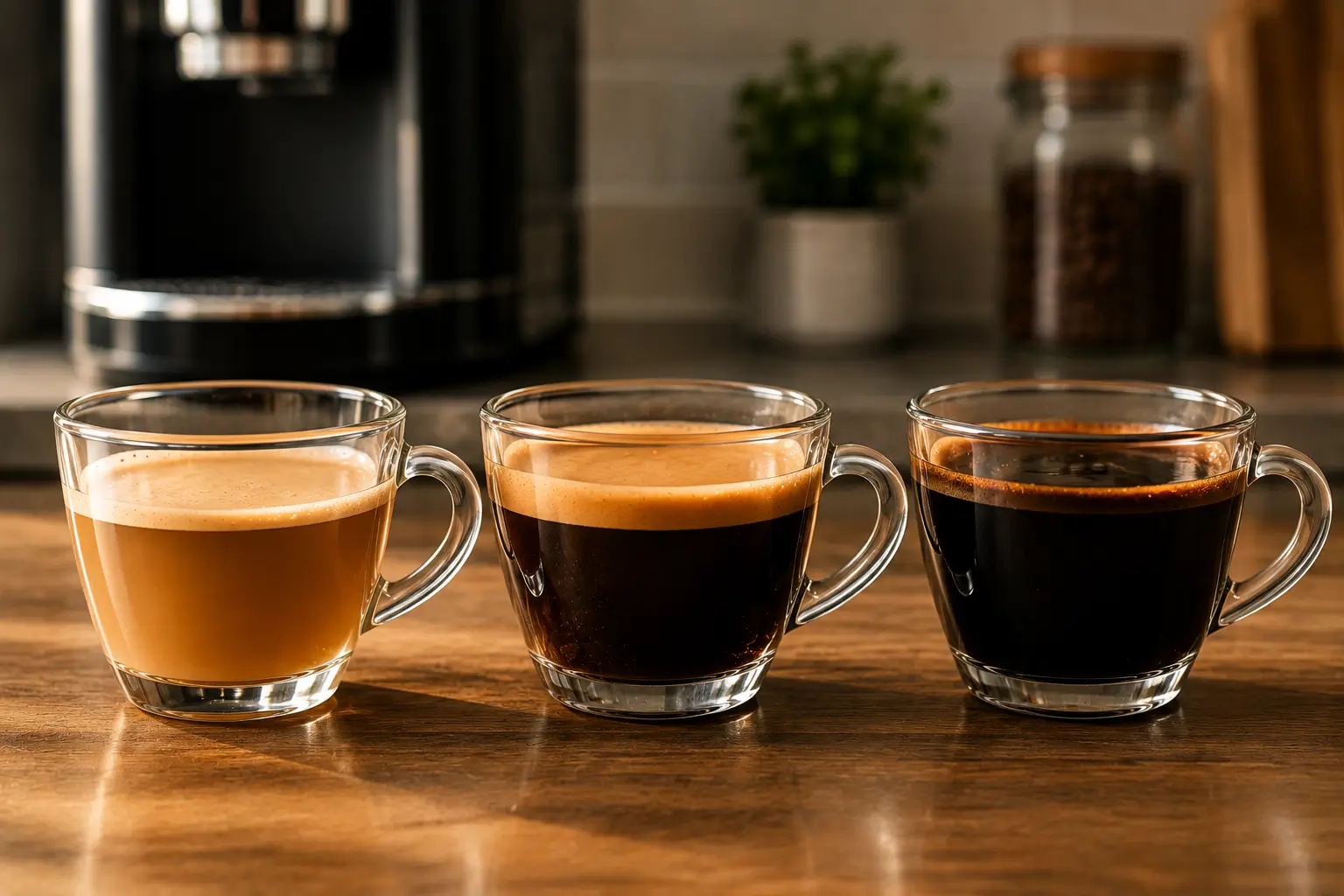
Temperature plays a major role in how coffee tastes.
Proper Temperature
When brewing temperatures remain balanced, coffee often develops:
Sweetness
Aroma
Balanced acidity
Smooth body
Temperature Too Low
Low temperatures may cause:
Weak flavor
Sour notes
Thin body
Incomplete extraction
Temperature Too High
Excessive heat may lead to:
Bitter taste
Dry aftertaste
Burnt flavors
Loss of subtle aromas
This is one reason why high-quality pod machines carefully control water temperature throughout the brewing cycle.
Common Temperature Mistakes
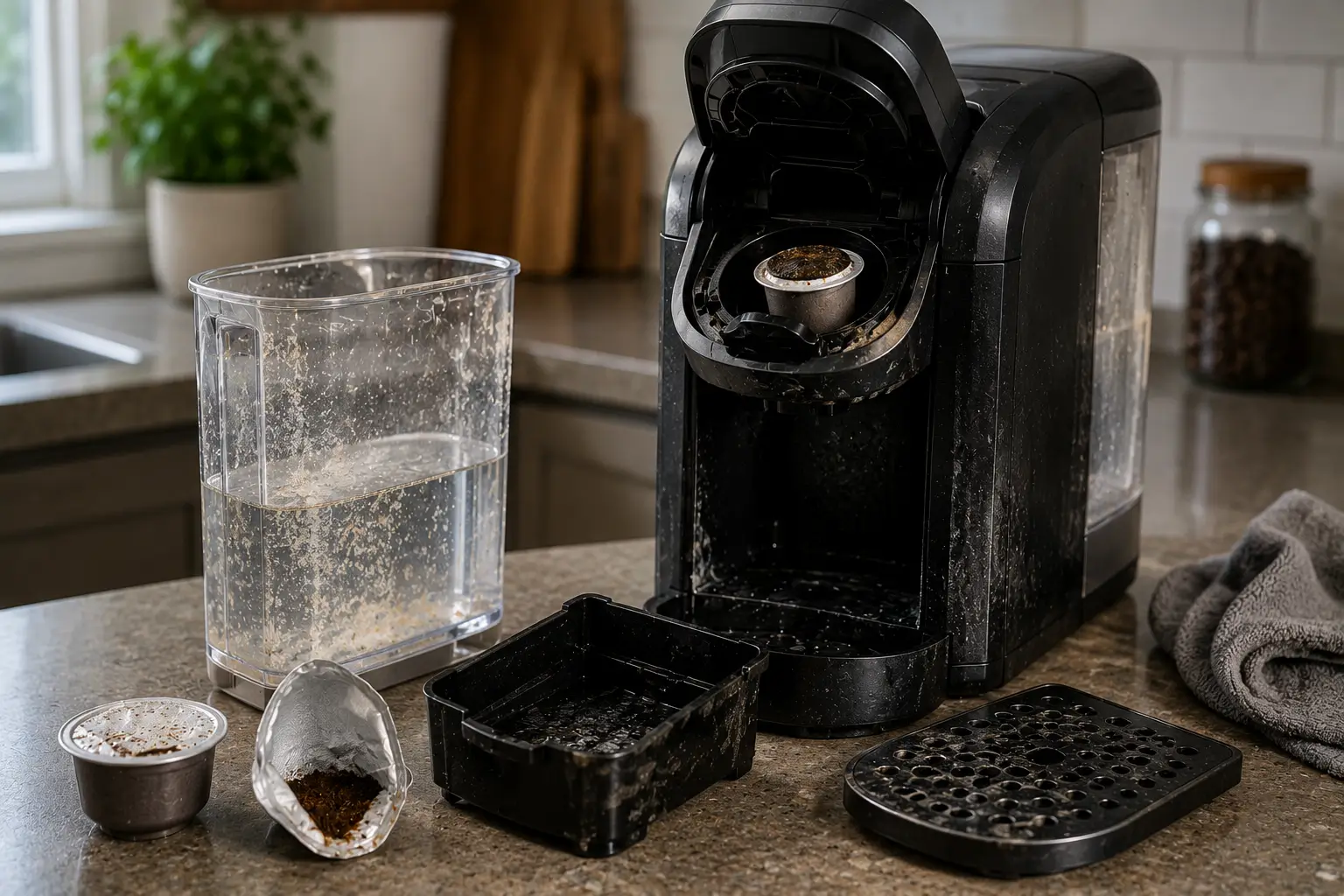
Most pod machines handle temperature automatically, but some common habits can still affect brewing quality.
Using Extremely Cold Water
Very cold water inside the reservoir may slightly increase machine warm-up time.
Fresh room-temperature water usually provides more consistent brewing.
Ignoring Descaling
Mineral buildup can affect heating efficiency over time.
As scale accumulates, the machine may struggle to maintain stable brewing temperatures.
Reusing Coffee Pods
Used capsules no longer contain fresh coffee grounds. Reusing them often produces weak and unpleasant coffee.
Leaving Water in the Reservoir Too Long
Old water can affect coffee flavor. Replacing the water regularly helps maintain better taste.
Expecting Temperature Alone to Fix Flavor Problems
Many people assume that increasing temperature will improve coffee quality.
In reality, flavor also depends on:
Coffee freshness
Capsule quality
Water quality
Extraction time
Brewing pressure
Temperature is important, but it is only one part of the brewing process.
Does Every Coffee Pod Machine Use the Same Temperature?
No. Different manufacturers use slightly different heating systems and brewing technologies.
However, most major pod brands operate within the same recommended brewing range because this range produces the best extraction.
Machines from:
Nespresso
all aim to deliver coffee within the ideal temperature zone, even though their internal systems may differ.
Because these adjustments happen automatically, users rarely need to change brewing temperatures manually.
Coffee Pod Extraction Time Guidelines
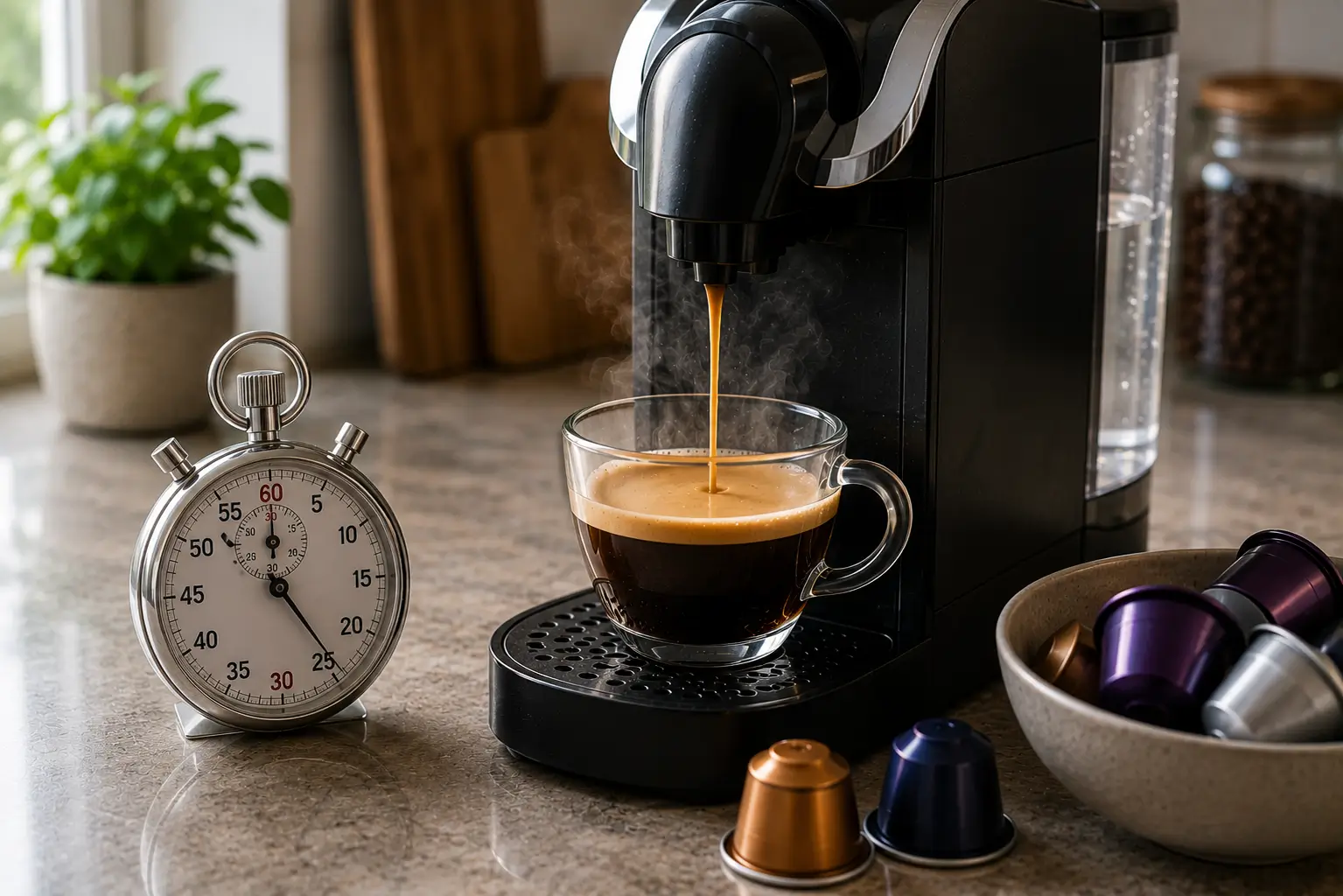
Brewing time plays an important role in coffee flavor. During extraction, hot water passes through the coffee grounds inside the capsule and dissolves flavor compounds.
If the brewing process is too short, the coffee may taste weak or sour. If it lasts too long, the coffee may become bitter.
Most coffee pod machines are programmed to deliver the correct extraction time automatically. However, different drink sizes naturally require different brewing durations.
Typical Brew Time for Coffee Pods
The exact timing depends on the machine and drink type.
Longer drinks require more water, which increases extraction time.
How Timing Affects Taste?
Extraction time directly influences the balance of flavors in your cup.
Short Extraction Time
When water passes through the coffee too quickly, the coffee may develop:
Sour taste
Weak flavor
Thin body
Reduced aroma
Balanced Extraction Time
Proper extraction usually produces:
Smooth flavor
Pleasant aroma
Balanced acidity
Rich body
Long Extraction Time
Excessive brewing can create:
Bitter taste
Harsh finish
Dry mouthfeel
Overly strong coffee
The goal is not necessarily to brew longer. Instead, the goal is to achieve balanced extraction.
Under-Extraction vs Over-Extraction
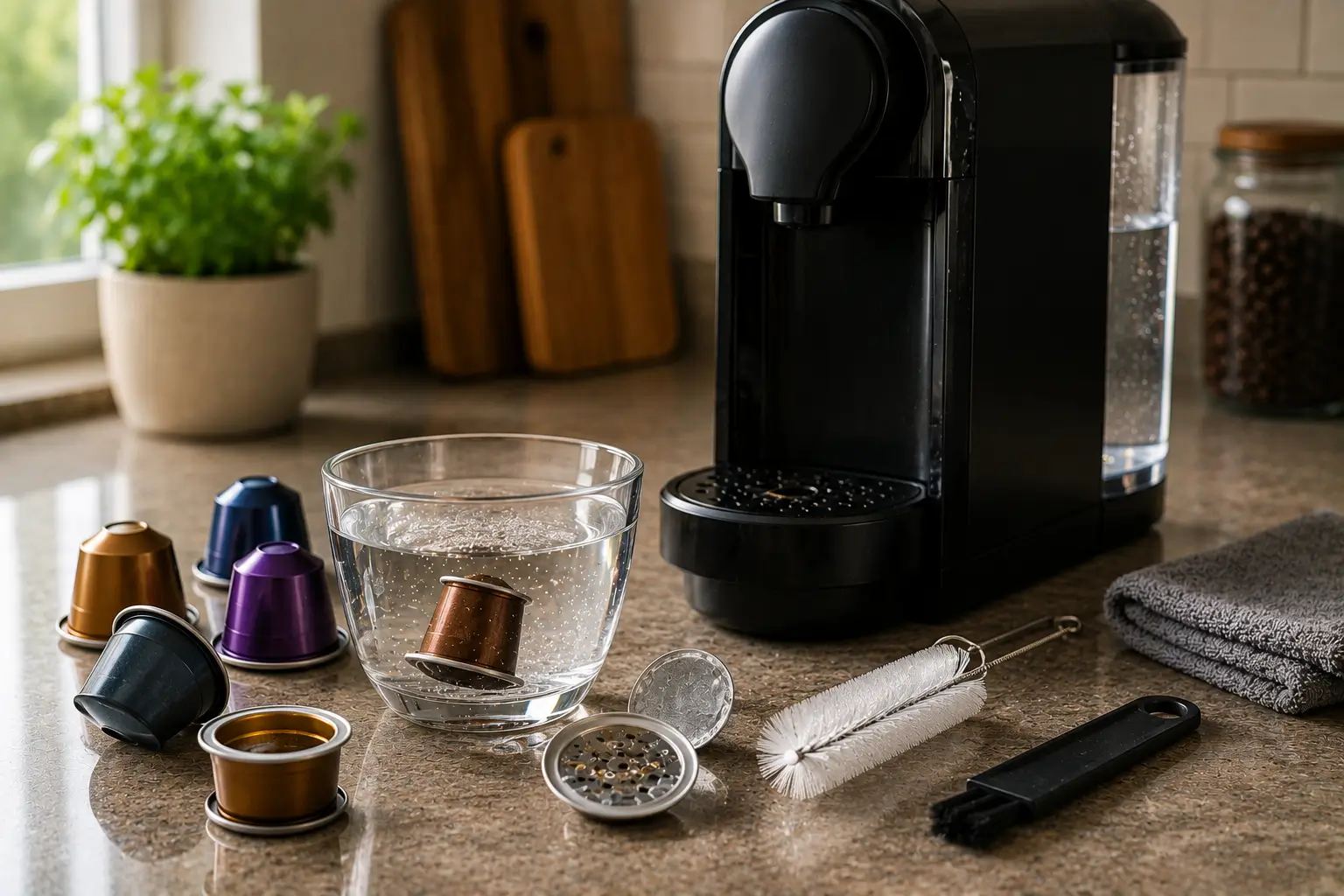
Many coffee drinkers experience flavor problems without realizing that extraction is the cause.
Under-Extracted Coffee
Under-extraction occurs when not enough flavor compounds are removed from the coffee grounds.
Common signs include:
Sour flavor
Weak coffee
Watery texture
Lack of aroma
Possible causes:
Brewing time too short
Low water temperature
Damaged capsule
Poor water flow
Over-Extracted Coffee
Over-extraction happens when too many compounds are pulled from the coffee.
Signs of over-extraction include:
Bitter taste
Dry aftertaste
Harsh flavor
Excessive strength
Possible causes:
Excessively long brew cycles
High temperatures
Reused capsules
Brewing beyond recommended cup sizes
Understanding these differences helps explain why some cups taste better than others.
Coffee Pod Pressure Guidelines
Does Higher Pressure Mean Better Coffee?Not necessarily.
Many advertisements highlight pressure numbers, such as 15-bar or 19-bar systems. While pressure is important, higher numbers do not automatically create better coffee.
A balanced brewing system matters more than a single pressure specification.
For example:
A machine with lower pressure can still produce excellent coffee.
Poor-quality coffee cannot be fixed by increasing pressure.
Fresh coffee and proper extraction often matter more than pressure levels.
The overall brewing system is more important than one number printed on the machine box.
Pressure Comparison Between Popular Pod Systems
Different coffee pod systems use different brewing technologies.
Nespresso Original
Nespresso Original machines are designed for espresso-style drinks. Their higher pressure helps create crema and concentrated coffee.
Keurig
Keurig systems use lower pressure because they focus on drip-style coffee rather than espresso.
Dolce Gusto
Dolce Gusto machines use higher pressure for espresso drinks and milk-based beverages.
Nespresso Vertuo
Vertuo machines use a different brewing method called Centrifusion. Instead of relying entirely on traditional pressure, the capsule spins rapidly to improve extraction.
Why Different Machines Use Different Pressure Levels?
Coffee pod machines are designed for different drink styles.
For example:
Espresso requires concentrated extraction.
Regular coffee uses more water and lower pressure.
Large cups need longer brew times.
Capsule design influences water flow.
Because each system has different goals, pressure requirements vary from one brand to another. Read more here..
Pressure Myths About Coffee Pods
Several myths continue to confuse coffee drinkers.
Myth: Higher Pressure Always Means Better Coffee
Reality: Flavor depends on multiple brewing variables, not pressure alone.
Myth: All Coffee Pod Machines Work the Same Way
Reality: Different brands use different extraction methods.
Myth: Pressure Creates Stronger Coffee
Reality: Coffee strength depends mainly on coffee quantity and extraction balance.
Myth: Expensive Machines Always Produce Better Flavor
Reality: Fresh coffee, clean equipment, and proper brewing conditions often matter more than price.
Understanding these myths helps users focus on the factors that truly improve coffee quality.
Nespresso vs Keurig Brewing Differences
Nespresso and Keurig are two of the most popular coffee pod systems, but they are designed for different brewing styles. Nespresso machines focus mainly on espresso-style coffee. Keurig machines are designed for traditional coffee. Read more.
How Water Quality Affects Coffee Extraction?
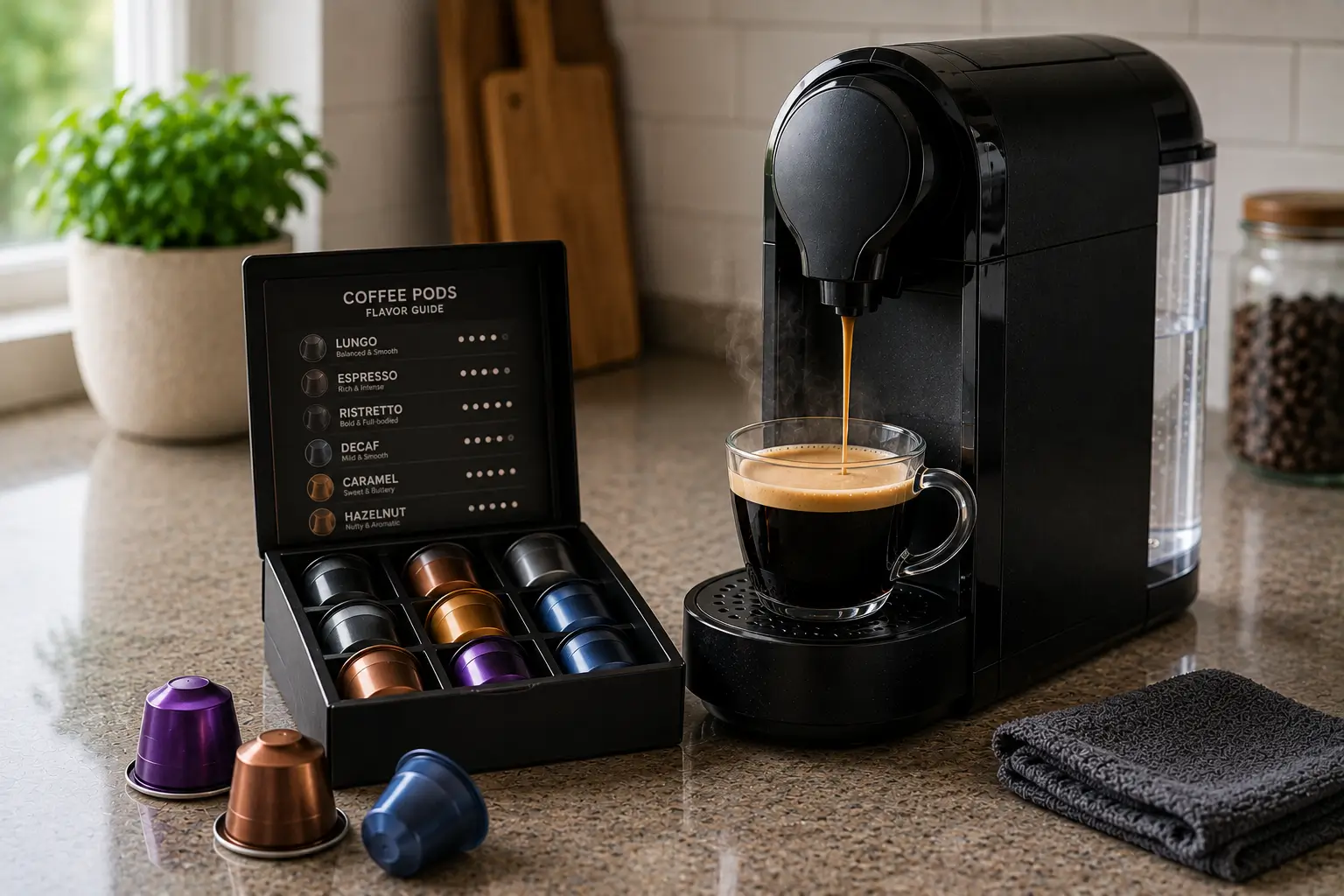
Many coffee drinkers focus on machines and capsules while overlooking water quality.
Since coffee is mostly water, the quality of the water directly affects flavor.
Poor water quality can cause:
Flat-tasting coffee
Excessive bitterness
Mineral buildup
Reduced machine performance
For better results:
Use fresh water daily.
Avoid water that has been sitting in the reservoir for long periods.
Replace water regularly.
Follow your machine’s descaling schedule.
Clean water often improves flavor more than changing machines.
Troubleshooting Weak or Bitter Coffee
Flavor problems are common among pod machine users. Fortunately, many issues have simple solutions.
Why Does Pod Coffee Taste Weak?
Weak coffee may result from:
Old capsules
Under-extraction
Poor water flow
Incorrect cup size settings
Reused coffee pods
Using fresh capsules and selecting the recommended drink size often improves flavor.
Why Does Pod Coffee Taste Bitter?
Bitter coffee may be caused by:
Over-extraction
Dirty brewing components
Mineral buildup
Brewing larger cups than recommended
Reusing capsules
Regular cleaning and descaling can help restore balanced flavor.
Why Does Coffee Taste Different Between Machines?
Several factors affect flavor differences:
Brewing pressure
Water temperature
Extraction time
Capsule design
Machine technology
Even when using similar coffee blends, different machines may produce slightly different results.
My Experience Using Different Pod Systems
Over the years, I have used several coffee pod machines, including Nespresso and Keurig systems.
One thing I discovered is that brewing numbers do not always tell the full story. A machine with lower pressure can still produce enjoyable coffee if the capsule is fresh and the machine is properly maintained.
I also noticed that water quality had a bigger impact on flavor than I expected. Fresh water and regular descaling improved coffee quality more than switching machines.
For espresso-style drinks, I preferred the concentrated flavor produced by Nespresso. For larger daily cups, I found Keurig machines more convenient.
In my experience, consistency, fresh capsules, and proper maintenance matter more than chasing the highest pressure numbers.
Frequently Asked Questions
Most coffee experts recommend brewing between 190°F and 205°F. This range helps produce balanced extraction and good flavor.
Pressure varies by brand. Nespresso Original machines can reach up to 19 bar, while Keurig systems operate at lower pressure levels.
No. Coffee quality depends on temperature, extraction time, capsule quality, and water quality, not pressure alone.
Espresso pods typically brew in 20 to 30 seconds, while larger coffee drinks may take up to 90 seconds or longer.
Bitter coffee may result from over-extraction, mineral buildup, or brewing beyond the recommended serving size.
Weak coffee can occur because of under-extraction, old capsules, poor water flow, or using too much water.
Yes. Water quality affects flavor, extraction, and machine performance. Fresh water usually produces better results.
Neither system is universally better. Nespresso excels at espresso-style drinks, while Keurig focuses on traditional coffee and convenience.
Conclusion
In short, Temperature, timing, and pressure all influence the quality of pod coffee. However, these factors work together rather than independently. From my experience, the best coffee comes from maintaining the machine properly, using fresh capsules, and following recommended serving sizes. Understanding how these brewing factors work can help you enjoy better coffee and get the most from your pod machine.